Under the global goals of "carbon neutrality" and "zero-waste city" initiatives, the efficient, harmless treatment and resource recovery of solid waste have become critical metrics for regional sustainable development. Traditional solid waste management methods face bottlenecks such as land occupation, secondary pollution, and low resource recovery rates. In this context, continuous oxygen-free pyrolysis technology has emerged as a revolutionary solution in the solid waste sector, offering unique environmental and economic benefits.
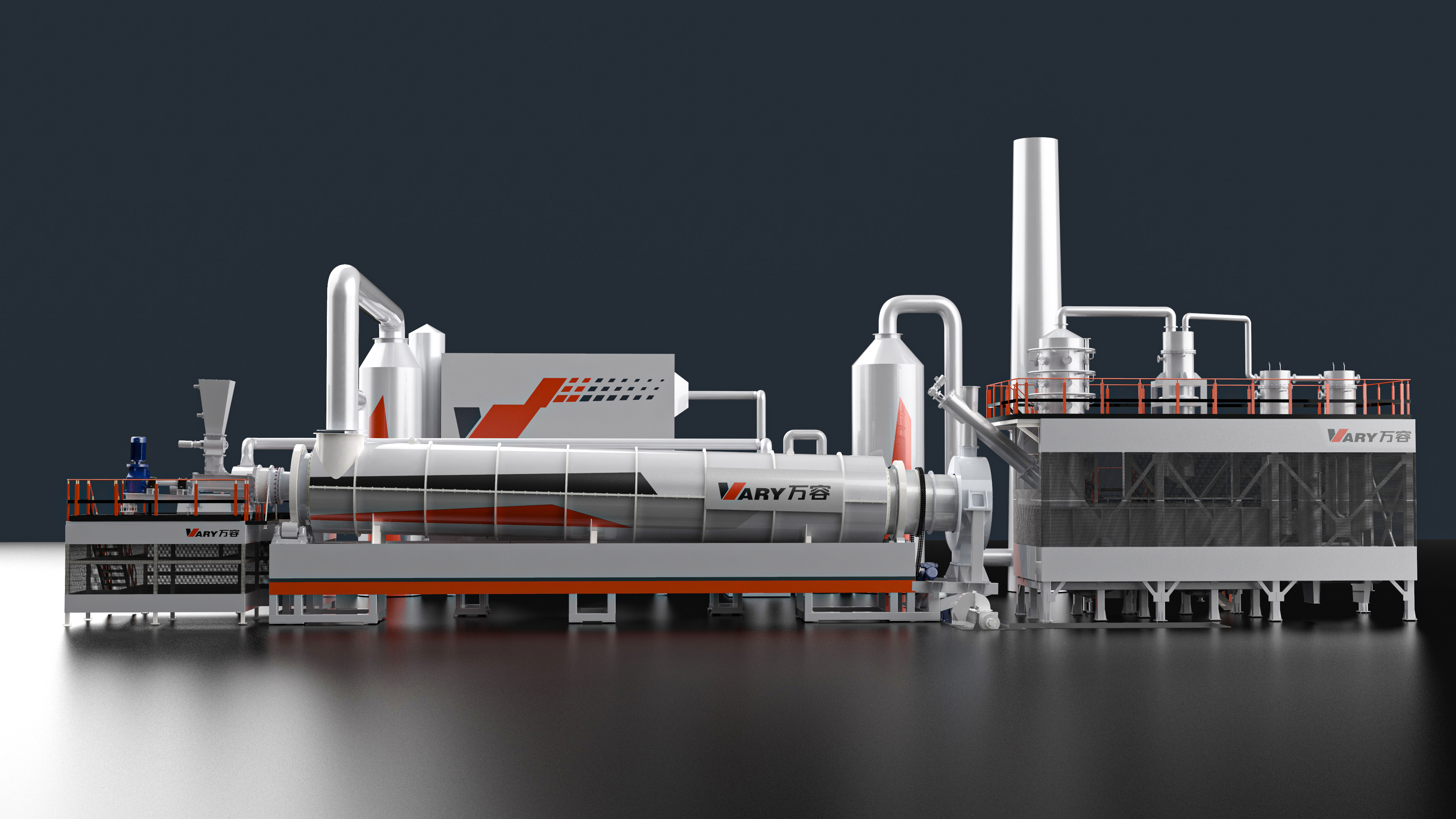
Technical Significance and Value of "Oxygen-Free" Pyrolysis
Oxygen-free pyrolysis is not merely the exclusion of air but a deeply controlled thermal decomposition process for organic solid waste under extremely low oxygen or inert atmospheres. Its core value lies in maximizing the suppression of oxidation and incomplete combustion byproducts, ensuring the efficient conversion of organic matter into high-value-added products: pyrolysis oil, gas, and carbon.
Pyrolysis carbon (e.g., biochar, industrial carbon black substitutes) exhibits immense potential in energy storage, soil remediation, and adsorption due to its high purity, stable structure, and superior physicochemical properties.
Pyrolysis oil serves as a chemical feedstock or refined fuel.
Pyrolysis gas enables self-sustaining energy recovery, significantly reducing operational costs.
Unique Advantages of Continuous Pyrolysis for Solid Waste Management
The solid waste industry faces challenges such as rising disposal costs, stringent environmental standards, inefficient energy/material recovery, and limitations of traditional batch technologies in meeting large-scale, continuous operations.
Continuous oxygen-free pyrolysis addresses these challenges through:
High Reduction and Resource Recovery: Efficiently converts diverse organic solid waste into high-value oil, gas, and carbon products, minimizing residual waste volume and directly tackling resource waste and cost issues.
Clean Production and Environmental Compatibility: Fully enclosed operations and advanced multi-stage flue gas purification ensure emissions meet strict standards, avoiding secondary pollution. Non-condensable gases are recycled for energy, aligning with circular economy principles.
Efficiency and Scalability: Automated "continuous feeding and discharging" systems enable 24/7 operation, surpassing the throughput of batch systems and meeting demands for large-scale solid waste treatment.
Key Technological Breakthroughs in Continuous Pyrolysis
Dynamic Sealing and Micro-Pressure Oxygen Isolation
Innovative "modular flexible sealing technology" by industry leaders like Vary Tech combines material sealing, mechanical seals, and inert gas protection at the feed end, alongside water-cooled screw conveyors at the discharge end. This ensures stable micro-pressure and ultra-low oxygen levels in high-temperature rotary reactors.
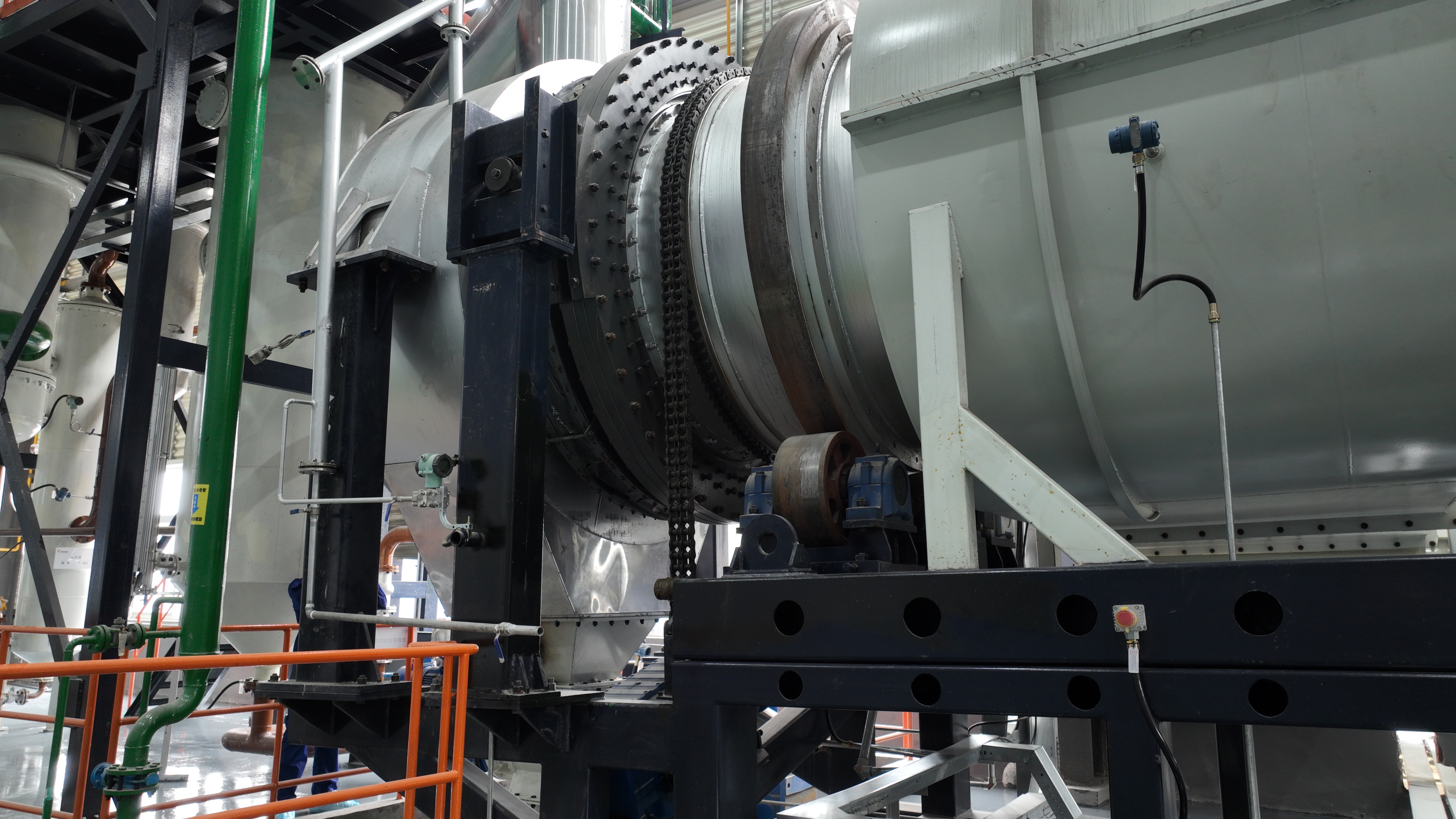
Precision Material Feeding and Distribution
Automated feeding systems ensure uniform and stable delivery of pre-treated solid waste (e.g., shredded tires, plastics, oil sludge) into the pyrolysis reactor, guaranteeing consistent product quality.
Efficient Heat Transfer and Temperature Control
Optimized reactor design and advanced heating subsystems (e.g., non-condensable gas combustion) enable rapid, uniform heating and precise temperature control for optimal pyrolysis reactions.
Multi-Stage Product Separation and Purification
Oil-Water Separation: High-efficiency condensation and specialized separation yield high-purity pyrolysis oil and water.
Gas-Liquid Separation: Further refines oil purity.
Non-Condensable Gas Utilization: Purified gas is recycled for system energy or external applications (e.g., power generation), reducing emissions treatment costs.
Flue Gas Purification: Multi-stage denitrification, desulfurization, and dust removal ensure compliance.
Intelligent Integrated Control
Industrial automation systems monitor and adjust critical parameters (temperature, pressure, oxygen levels, material flow, gas composition) in real time, enabling safe, efficient, and low-energy operations with remote oversight.
In-Depth Analysis of Oxygen Control in Pyrolysis
Achieving "zero oxygen" in continuous dynamic operations requires:
-
Advanced Sealing Design: Vary Tech’s modular flexible sealing and continuous feed/discharge technologies are pivotal for maintaining oxygen-free conditions.
-
Inert Gas Protection: Nitrogen injection during startup and operation dilutes oxygen, controlled via micro-pressure management.
-
Real-Time Oxygen Monitoring: Closed-loop systems dynamically adjust inert gas flow and feeding rates to sustain ultra-low oxygen levels.
Industrial Applications and Future Prospects
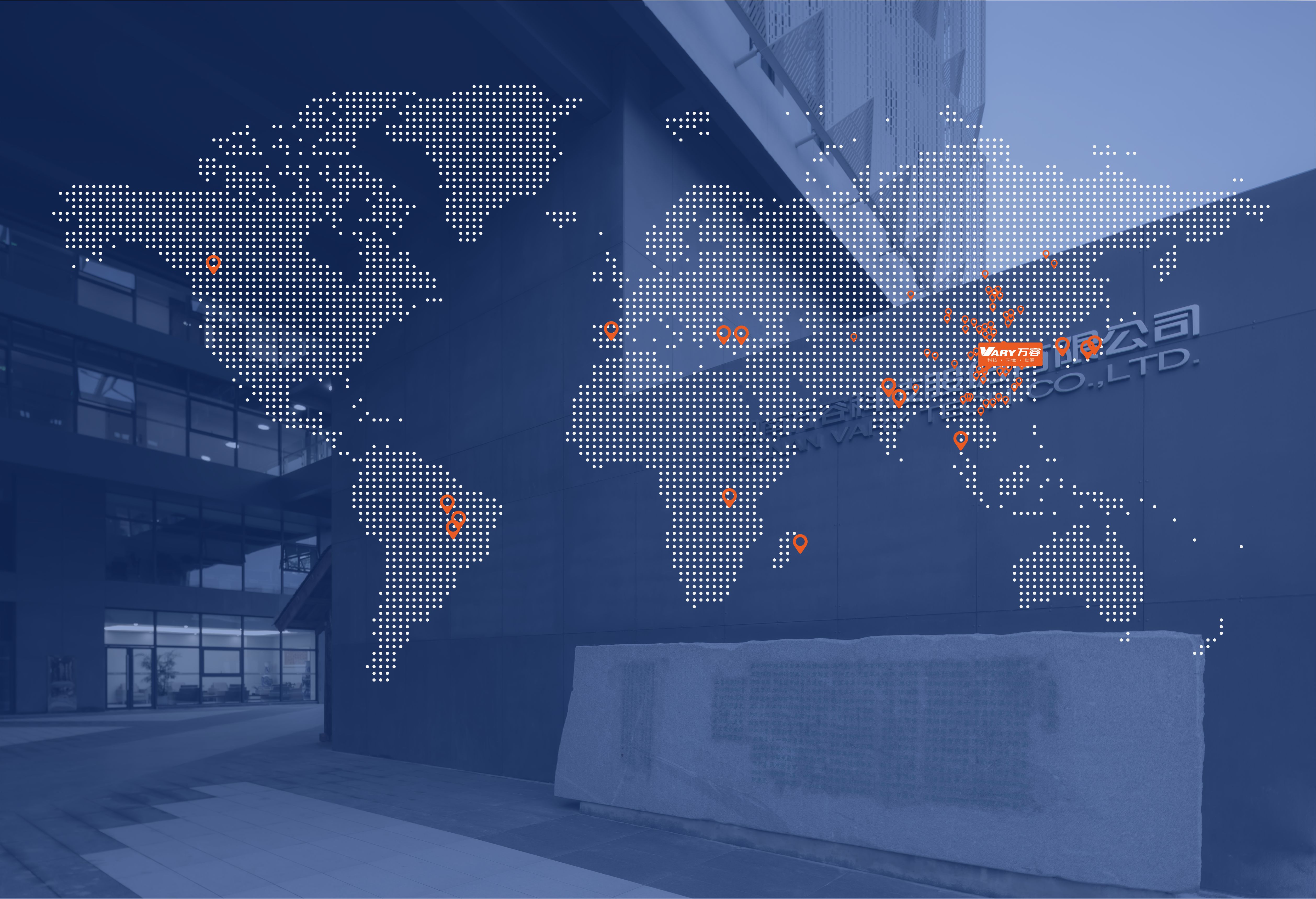
Vary Tech and other pioneers have deployed continuous oxygen-free pyrolysis technology globally for organic solid waste streams, including municipal plastics, tires, sludge, oil sludge, and select hazardous/medical wastes. Single-unit capacity reaches 240 tons/day, with successful projects in Japan, South Korea, Brazil, and China. This validates the technology’s industrial maturity and commercial viability.
As environmental regulations tighten and resource recovery demands grow, continuous oxygen-free pyrolysis—with its eco-friendliness, high efficiency, automation, and scalability—will play an increasingly vital role in global solid waste management. It stands as a cornerstone for building circular economies and achieving sustainable development.
Follow Vary Tech to explore cutting-edge pyrolysis solutions for solid waste resource recovery! 


