Over 1.5 billion tires reach end-of-life globally each year, with China alone exceeding 20 million metric tons. These complex composites of synthetic rubber, natural rubber, carbon black, and steel wires—dubbed "black pollution" due to their extreme resistance to natural degradation—pose a global environmental crisis. Pyrolysis technology now emerges as the definitive answer, transforming this challenge into economic opportunity.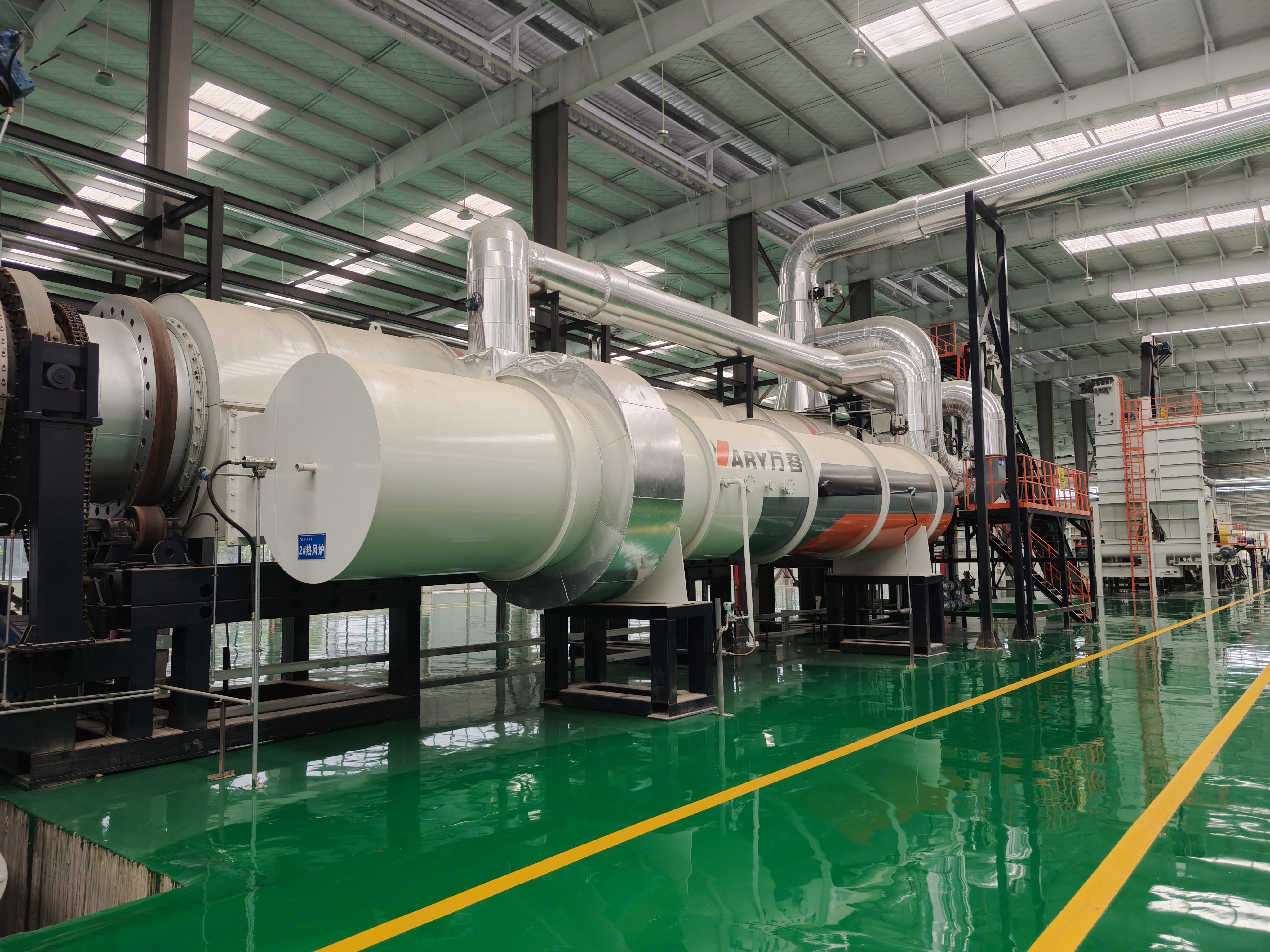
The traditional disposal methods for waste tires - landfilling, incineration, and simple crushing - all have non-negligible drawbacks. However, a disruptive green technology - waste tire pyrolysis technology - is providing the ultimate solution to this global problem with its unique advantages.
|
Method |
Drawbacks |
|
Landfilling |
Occupies scarce land; leaches sulfides/heavy metals into soil/groundwater |
|
Incineration |
Generates SO₂/dioxins; requires costly emission controls; wastes resources |
|
Retreading |
Only viable for lightly worn tires (<5% of total waste) |
|
Crumb Rubber |
Limited market capacity; energy-intensive processing; dust pollution |
Waste tire pyrolysis refers to heating waste tires to a certain temperature in a closed environment with oxygen isolation, oxygen deficiency, or no oxygen, causing the macromolecular polymers to undergo deep cracking and recombination. Eventually, it "decomposes" waste tires into primary products with extremely high commercial value such as oil, gas, and carbon. This process is a true transformation of waste into treasure.
Direct Use: Replaces heavy oil in cement/glass/steel plants and power stations.
Upgrading: Distilled into non-standard diesel for ships/generators or refined into sustainable aviation fuel (SAF).
Economic Value: Stable alternative energy source amid oil price volatility.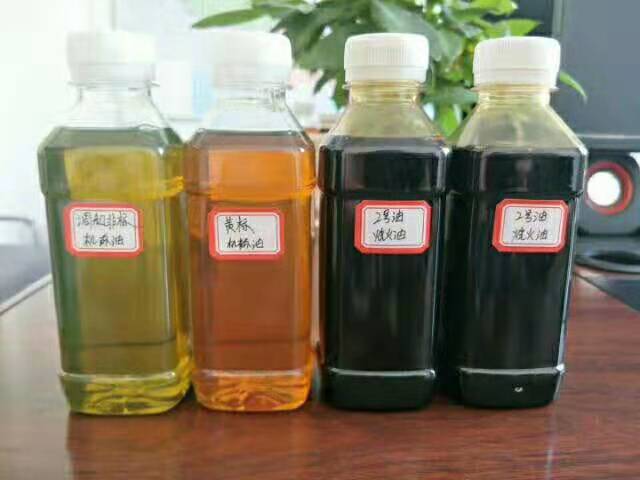
Fuel: Briquetted as coal-alternative solid fuel.
Industrial Material: Processed to match N330/N550/N660 grade carbon black for rubber products (tire liners, shoe soles).
Pigment: Used in paints, inks, and masterbatches.
ESG Impact: Saves 2 tons of oil per ton of virgin carbon black produced.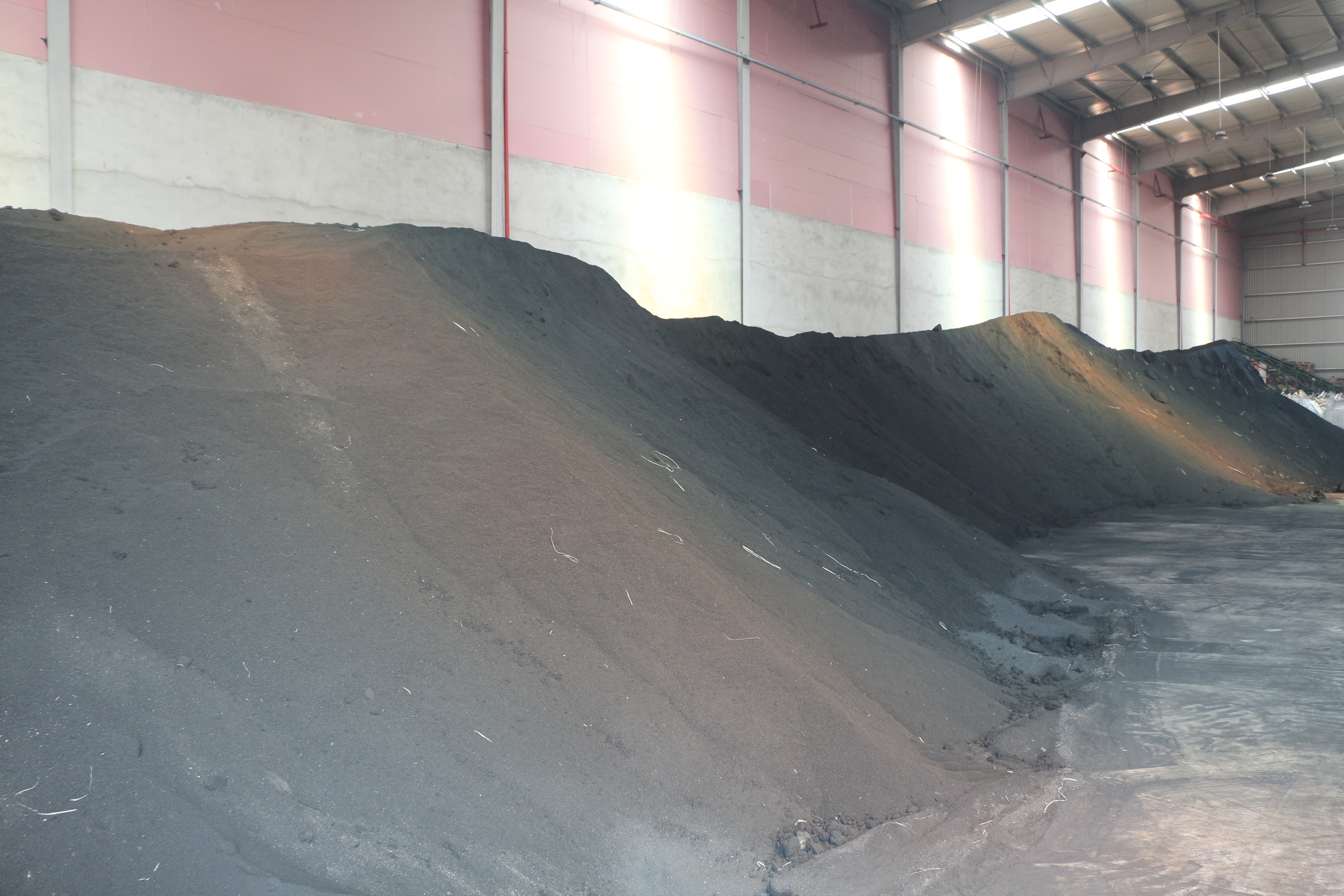
100% recovered as high-strength scrap steel for smelting.
Core Function: Purified gas fuels the pyrolysis reactor, eliminating external energy needs.
Vary Tech Innovation: 60% lower energy consumption via advanced heat recovery.
Zero-Carbon Potential: Surplus gas generates electricity for grid sales or onsite use.
Pyrolysis has evolved through five definitive stages:
Early research established core parameters: optimal temperature ranges, heating rates, and reaction mechanisms.
Modern reactors (like Vary Tech’s sealed rotary kilns) ensure uniform heating, oxygen exclusion, and automated control—maximizing oil yield and safety.
Pyrolysis is no longer an "alternative" but the ultimate answer to "black pollution"—validated by:
100% resource recovery
Mature commercial scalability
Robust ESG benefits
For forward-looking investors, this technology’s trifecta—solving environmental crises, generating high-value products, and proven technical readiness—signals an unprecedented opportunity. Partner with Vary Tech today to lead the circular economy revolution.


