Amid intensifying global climate change, a remarkable substance known as "black gold" is quietly rising as a new hope for addressing environmental challenges. This substance is biocarbon—a carbon-rich material derived from waste biomass. From soil improvement to carbon sequestration, environmental remediation to renewable energy applications, biocarbon is driving a green revolution with its versatile functions and immense market potential.
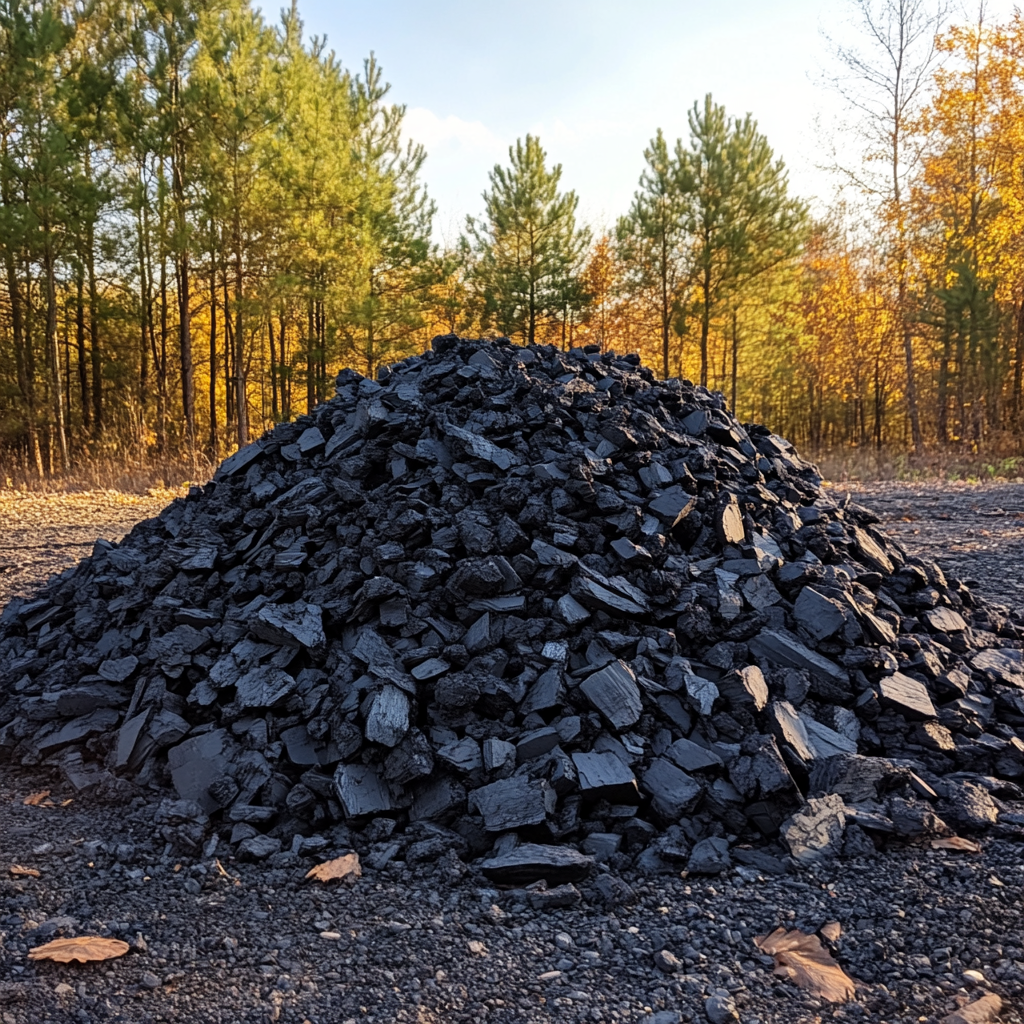
Definition and Properties of biocarbon
Biocarbon is a carbon-enriched solid product obtained through pyrolysis or thermochemical conversion of biomass. It primarily consists of carbon, hydrogen, oxygen, and nitrogen, with carbon content typically exceeding 70%. It exhibits low solubility and a highly carboxylated and aromatic structure. Different biomass types, processed under varying temperatures and heating rates, yield carbonized or semi-carbonized materials with distinct fixed-carbon content.
Environmental Benefits of Biocarbon
Biocarbon’s multifaceted environmental benefits have drawn significant attention. It can replace coal in metallurgical processes (e.g., iron and silicon smelting), sequester carbon long-term, enhance soil structure, and adsorb pollutants. In agriculture, biochar improves water retention, nutrient retention, soil fertility, and crop yields. For instance, adding biochar to sandy soil increases water retention by 92%, while in clay soil, water flow speed triples. Additionally, biochar absorbs N₂O and CO₂, with CO₂ absorption capacity 300 times higher than CO₂ itself, playing a critical role in mitigating climate change.
Market Prospects and Applications
The global biocarbon market is showing a rapid growth trend. It is expected to grow from US$231 million in 2022 to US$2.196 billion in 2030, with an annual compound growth rate of more than 10%. Currently, the biochar market is mainly concentrated in North America and Europe, while the Asia-Pacific region, especially China and India, shows huge growth potential.
Biocarbon applications span agriculture (soil amendment), environmental remediation, energy storage, and construction materials. Notably, its use in renewable energy—such as replacing graphite and activated carbon in lithium-ion batteries and supercapacitors—is expanding rapidly.
Biocarbon’s Role in Carbon Markets
Biocarbon’s value in global carbon markets is being redefined. Priced above $200/ton—far surpassing other carbon removal projects—it reflects market recognition as a carbon removal technology. Recent agreements, such as those between The Next 150, Shell Environmental Products, and Microsoft (delivering 117,500 carbon removal credits/CDR over 5–6 years), highlight biocarbon’s rising prominence.
Technological Innovation Driving Industry Advancement
The biocarbon industry is undergoing a technological revolution. Represented by Vary Tech’s "large-scale combined baking and dry distillation continuous rotary kiln carbonization equipment," next-gen production technologies have achieved breakthroughs:
- Enhanced Efficiency: Production cycles shortened from 25 days to 3 days; processes streamlined from 10 to 5 steps.
- Increased Capacity: Daily processing of 100 tons of biomass per production line.
- Energy Savings: 30% energy and 20% raw material savings compared to traditional methods.
- Eco-Friendly Design: Fully enclosed, oxygen-free rapid carbonization ensures compliant emissions.
- Consistent Quality: Smart control systems eliminate product heterogeneity, enabling standardized production.
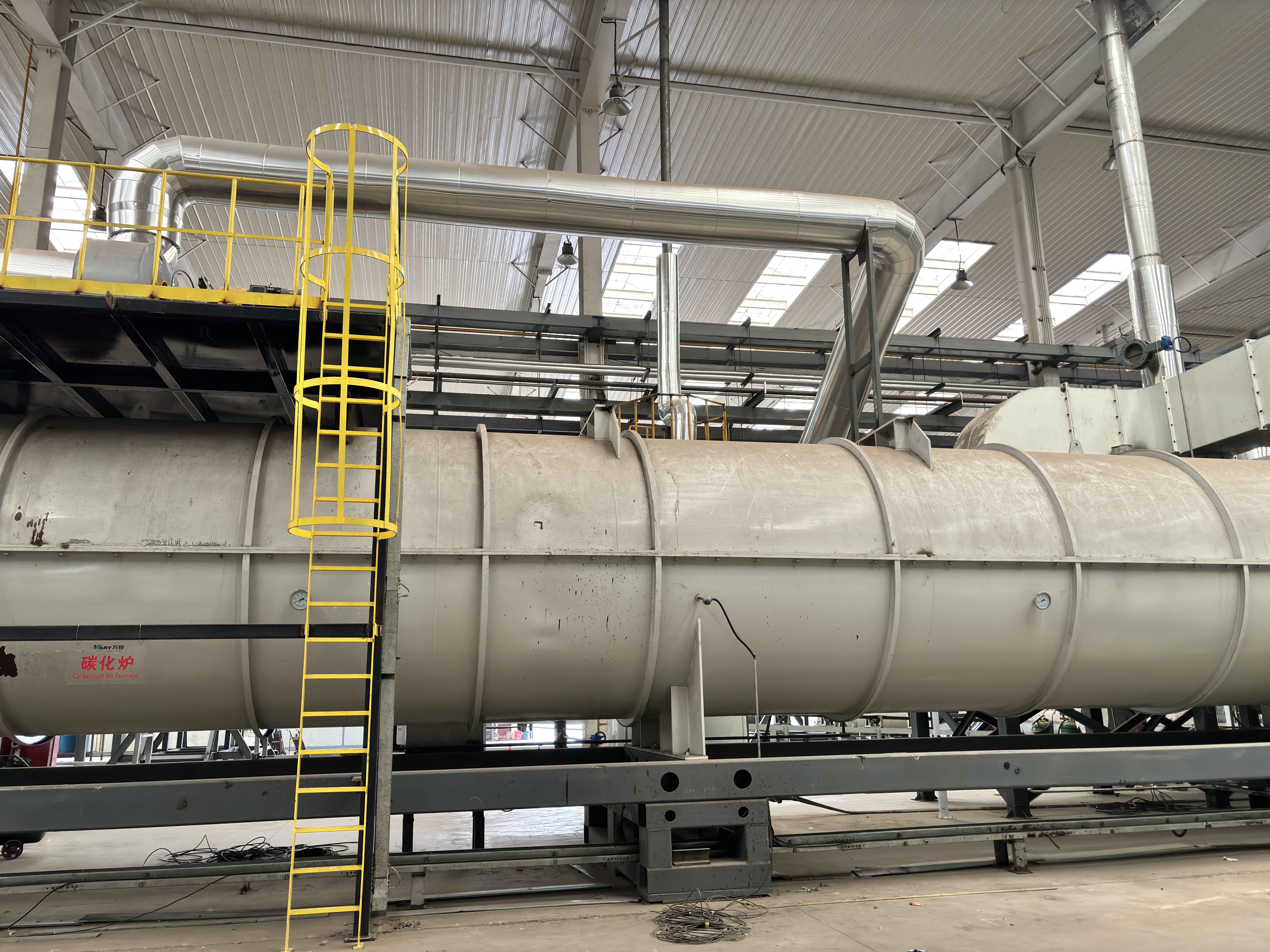
These innovations boost efficiency, reduce costs, and expand biocarbon’s applications.
Challenges and Opportunities
Despite bright prospects, challenges remain: diverse biomass sourcing, low energy density, high storage/transport costs, and environmental impacts on product quality. However, these hurdles create opportunities. Advanced pyrolysis can produce high-performance biocarbon for complex uses. Domestic production of bio-based carbon materials (e.g., activated carbon) is key to reducing import reliance.
Market Confidence and Future Outlook
Certifications like the European biocarbon Certificate (EBC) and Verified Carbon Standard (VCS) enhance biocarbon’s credibility and market access. With technological advancements, biocarbon is poised to revolutionize agriculture, environmental remediation, energy storage, and construction. As global climate action accelerates, biocarbon’s role in carbon reduction and sustainability will solidify its status as "black gold."
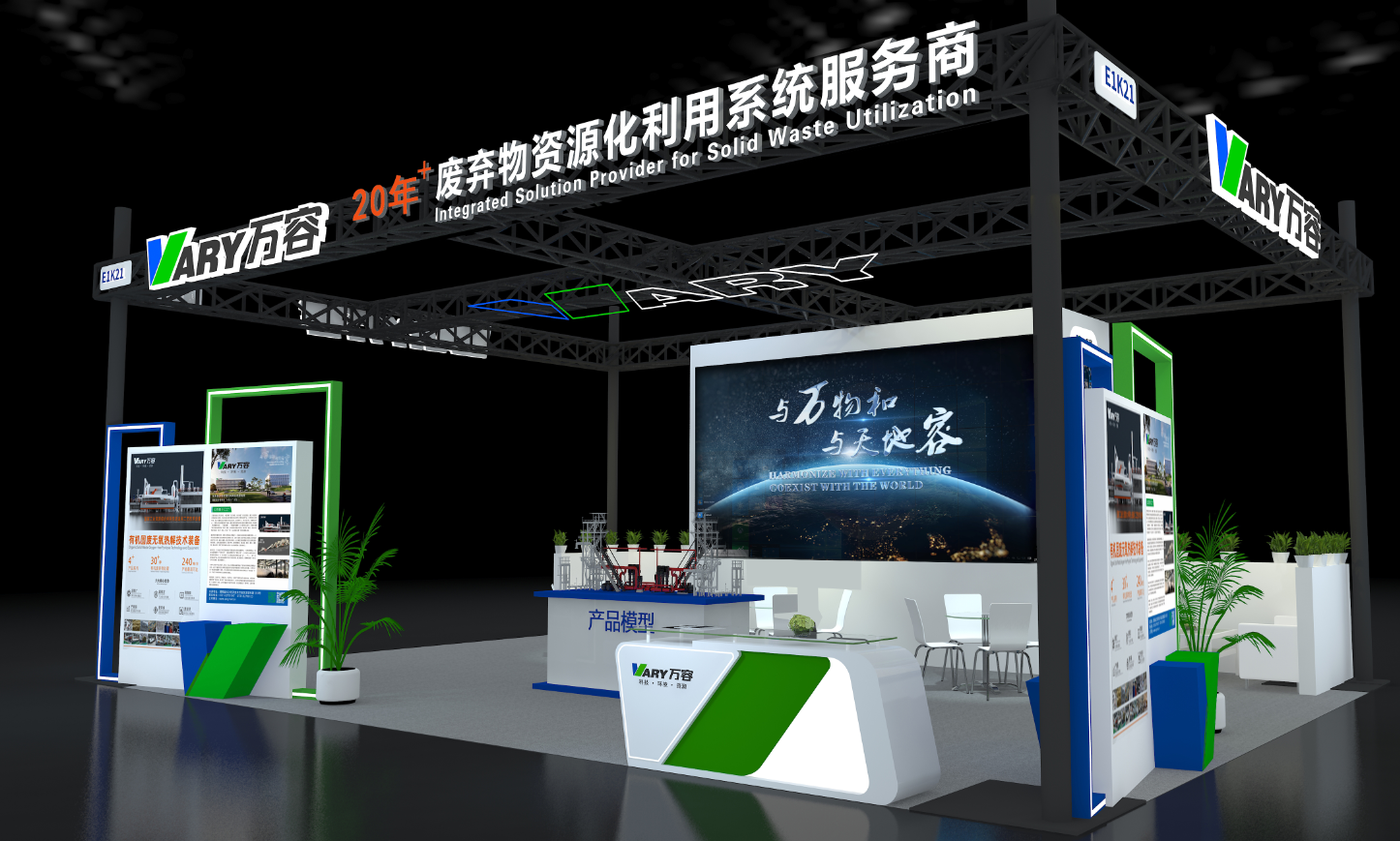
Join Vary Tech at the IE expo China 2025Date: April 21-23, 2025Location: Shanghai New International Expo Centre, Hall E1, Booth K21 


