What happens to the 70% of plastic waste that can't be recycled mechanically? At the 2026 Ningbo Plastics & Rubber Industry Exhibition (June 16–18), Song Zhen, Deputy General Manager of Hunan Vary Tech, delivered a keynote address that cut straight to the heart of the problem. Titled Chemical Recycling of Waste Plastics: Inside and Outside the Nodes, his presentation laid out the roadmap — from piecemeal technology trials to a fully integrated, closed-loop industrial chain.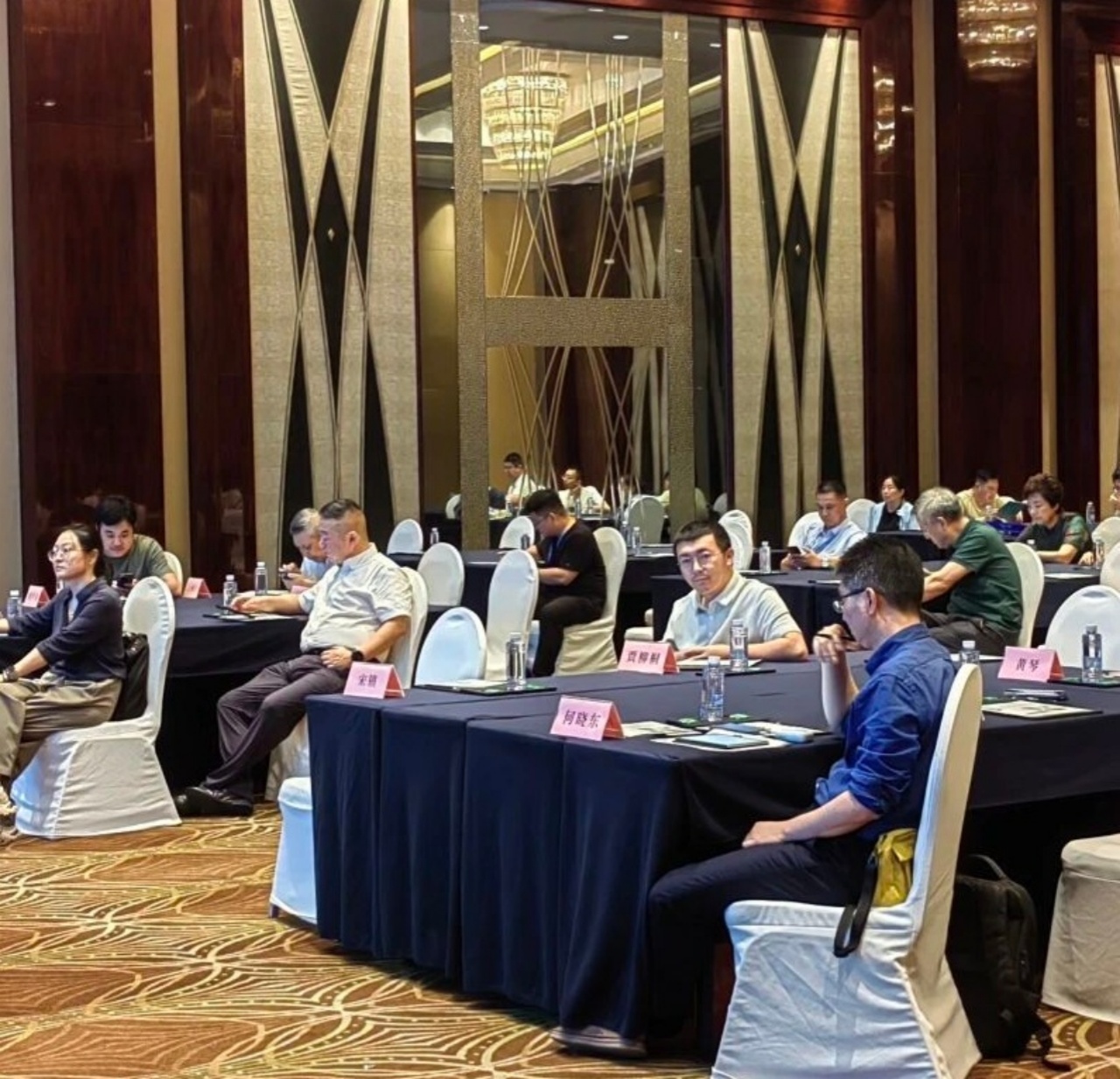
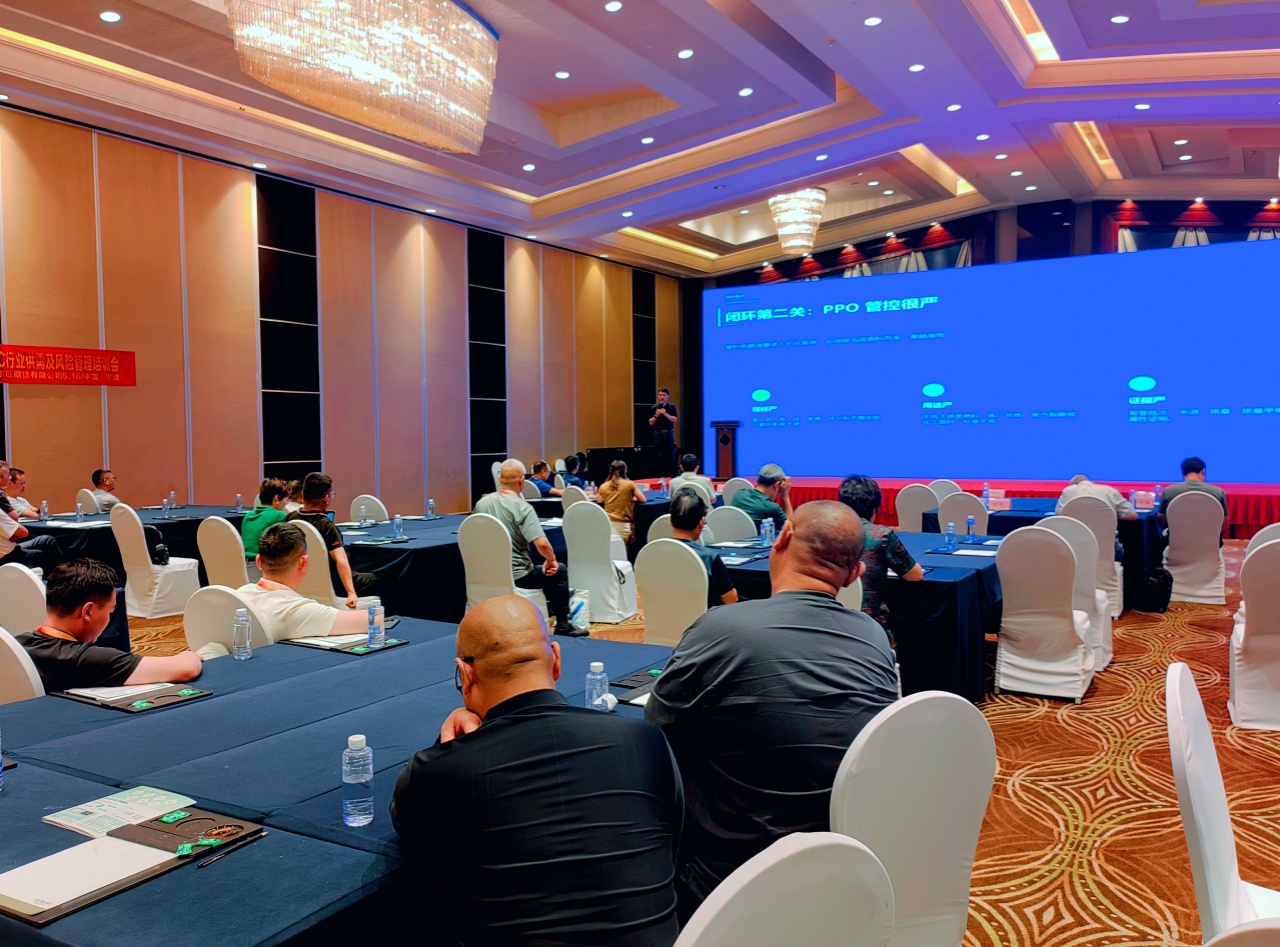
According to Song Zhen, chemical recycling technologies — depolymerization, solvent-based processes, catalytic cracking, and pyrolysis — each suit different feedstocks. Among them, pyrolysis stands out for its broad adaptability. It handles mixed polyolefins, flexible low-value plastics, and even contaminated material with ease.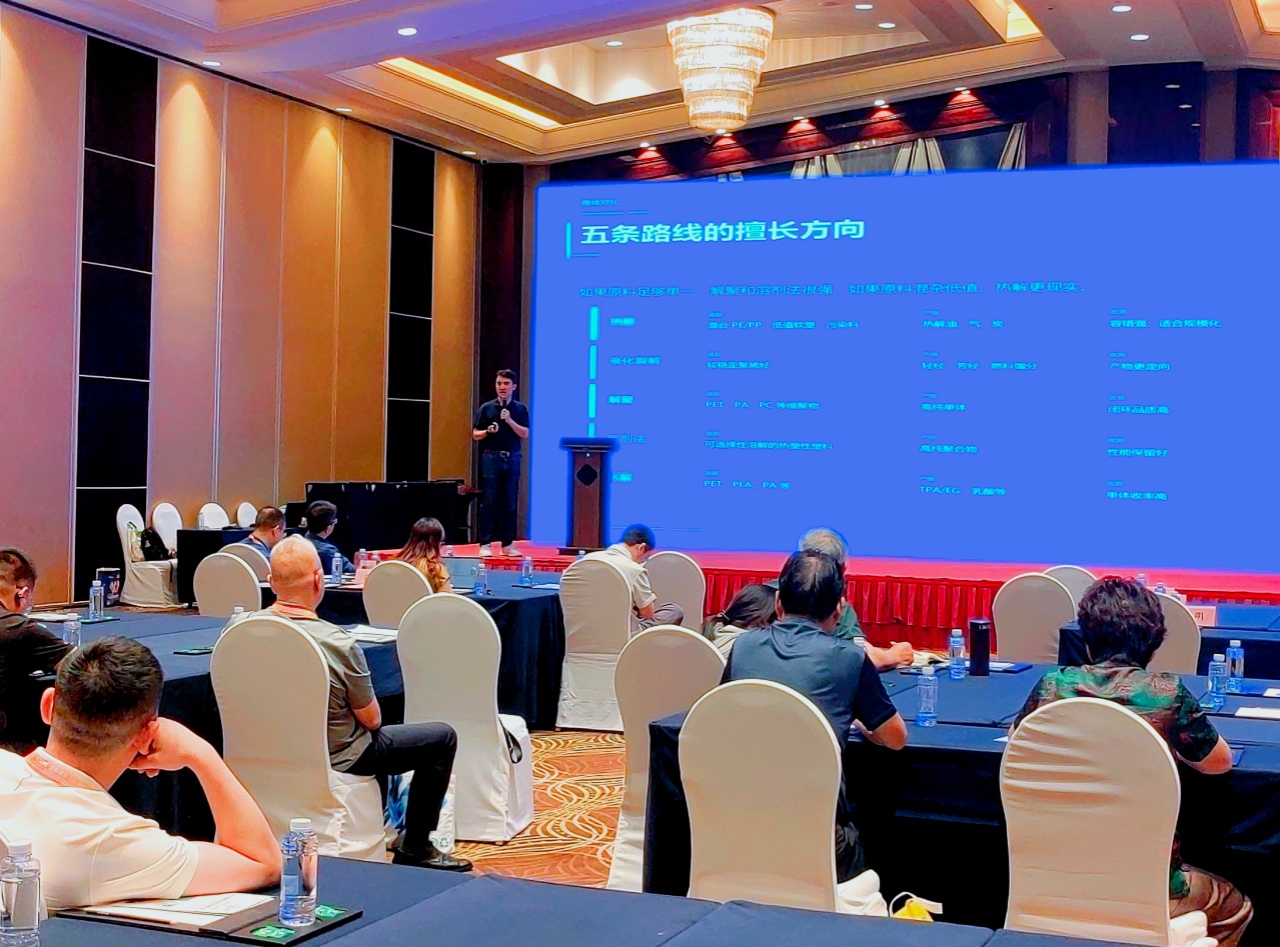
But pyrolysis isn't meant to replace mechanical recycling. Its real value is in taking on the low-value mixed streams that mechanical methods can't process. After purification and upgrading, these materials can re-enter the petrochemical value chain — closing the loop where it matters most.
Drawing on five years of operational experience in municipal waste plastic chemical recycling, Song Zhen emphasized one key point: industrial-scale chemical recycling starts with pyrolysis — but not just any pyrolysis.
A truly continuous, stable system demands high-level coordination across feeding, sealing, heat transfer, condensation, purification, slag discharge, flue gas treatment, safety interlocks, and automation. Three non-negotiable conditions must be met before a project can move from demonstration to mass production:
Continuous stable operation. Safe, controllable performance. Tolerance to feedstock fluctuations.
A sustainable chemical recycling project must deliver on two fronts:
Inside the node — the equipment must run stably, safely, and cleanly, with robust process control.
Outside the node — the project must connect to the broader ecosystem: upstream feedstock sourcing and preprocessing, plus downstream oil quality control, high-value applications, compliance certification, and credible traceability.
The future competitive battleground is shifting. It's no longer about "can we turn waste plastic into oil?" It's about "can we build a closed-loop system that the industry accepts, regulators trust, and markets are willing to pay for?"
True chemical recycling only happens when high-quality pyrolysis oil is actually fed back into petrochemical production. That's the final mile — and Vary Tech has closed it.
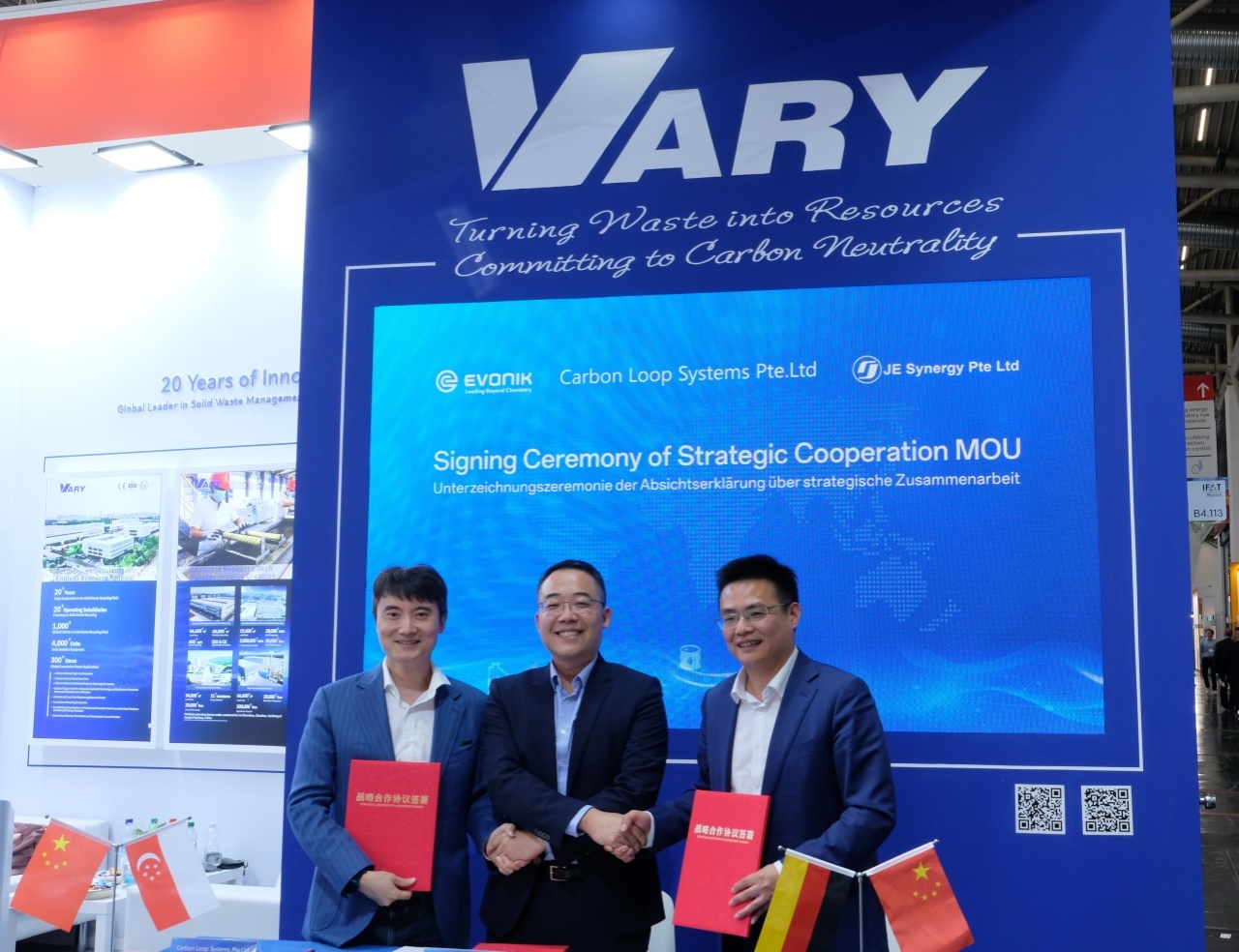
Together with Evonik — a global leader in specialty chemicals — and SupeZET, China's premier petrochemical plant integrator, Vary Tech has launched a full-chain integrated process package. It produces high-quality PPO (Plastic Pyrolysis Oil) and circular naphtha, bridging the gap from waste plastics to virgin-grade petrochemical feedstocks.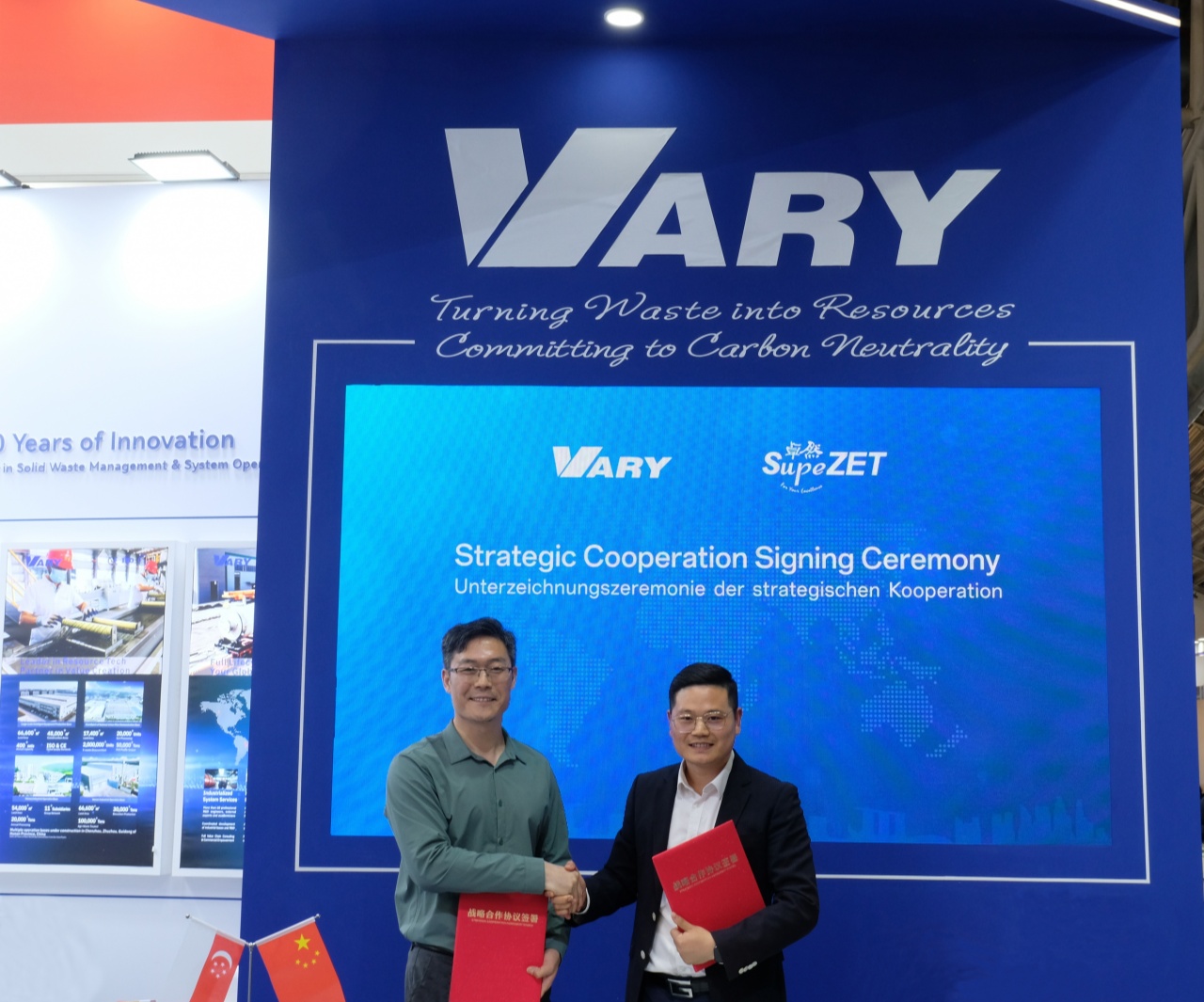
Looking ahead, Song Zhen sees two game-changing forces reshaping the industry.
First, AI-powered sorting and hyperspectral identification are making it possible to recognize, separate, and manage low-value plastics at scale. More plastic waste that used to go straight to incinerators or landfills can now enter chemical recycling systems.
Second, credible traceability and mass balance accounting will become the "passport" for recycled materials to enter premium markets. Only processes that can be tracked, verified, and certified will command long-term value in global trade.
Vary Tech will continue building on its core strengths — solid waste recycling equipment, integrated process engineering, project delivery, and cross-sector coordination. The mission: unlock higher value from low-value waste plastics, and deliver practical, scalable solutions that accelerate the global circular economy and low-carbon transition.
Let's talk about your feedstock. Let's close the loop.

