Experts from top institutions convene at Vary Tech to shape the future of CCER methodology for chemical recycling of waste plastics, aligning with China's carbon neutrality goals.
Recently, a team of experts from authoritative institutions gathered at Vary Tech’s headquarters. The team included Niu Hao (Deputy Director of the Carbon Emission Center of the Environmental Engineering Assessment Center under the Ministry of Ecology and Environment, Senior Senior Engineer), Li Yanjun (Leader of the Low-Carbon Center Research Group at Sinopec Research Institute of Petroleum Processing, Senior Engineer), Xue Ruibin (Engineer at China National Petroleum Planning and Engineering Institute), Zhang Nini (Ph.D. from the Basel Convention Office of Tsinghua University), and Liu Yanyu (from Environmental Bridge (Shanghai) Environmental Technology Co., Ltd.). They conducted on-site research and held a special seminar on the development of the CCER (China Certified Emission Reduction) project methodology for chemical (pyrolysis) recycling of waste plastics, aiming to forge key technical consensus for the formulation of the methodology for chemical recycling of waste plastics under China’s voluntary emission reduction ( CCER ) mechanism.
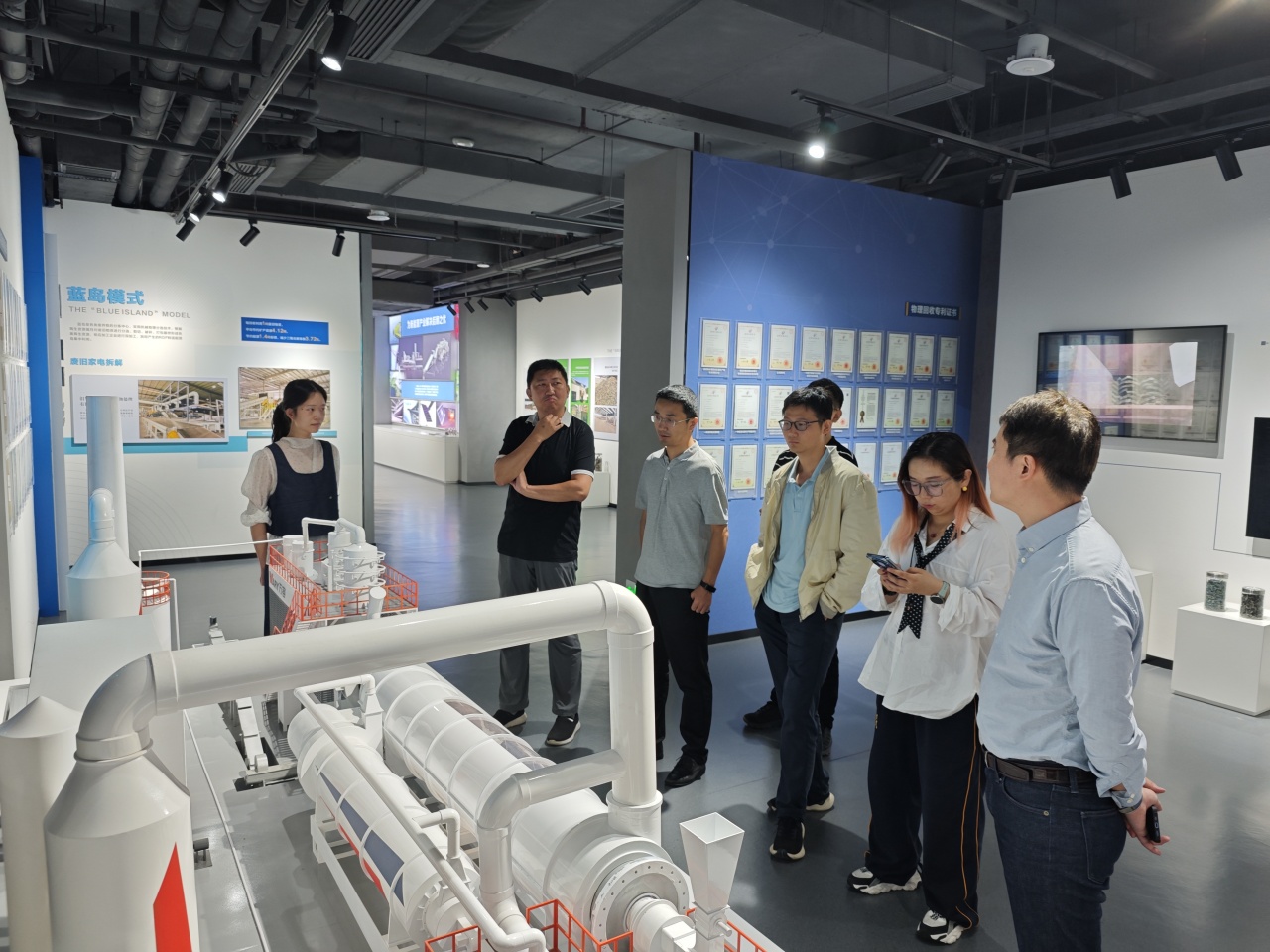
The expert team visited Vary Tech’s Low-Carbon Exhibition Hall, gaining a deeper understanding of Vary Tech’s oxygen-free pyrolysis technology and equipment for organic solid waste. They also listened to a detailed introduction by Song Zhen, Deputy General Manager of Vary Tech, on the company’s chemical recycling technology for waste plastics and its industrial application.
Although China has mature environmental protection equipment and huge market potential in the field of chemical recycling of waste plastics, the overall development lags behind due to the lack of policy standards and support measures. The participating experts unanimously agreed that under the global carbon neutrality goal, the CCER mechanism is regarded as a key incentive tool to promote the large-scale and standardized development of the waste plastic chemical recycling industry. By scientifically calculating the carbon emission reductions generated during the chemical recycling of waste plastics and converting them into tradable carbon assets, it will bring important economic incentives to projects and effectively activate market vitality.
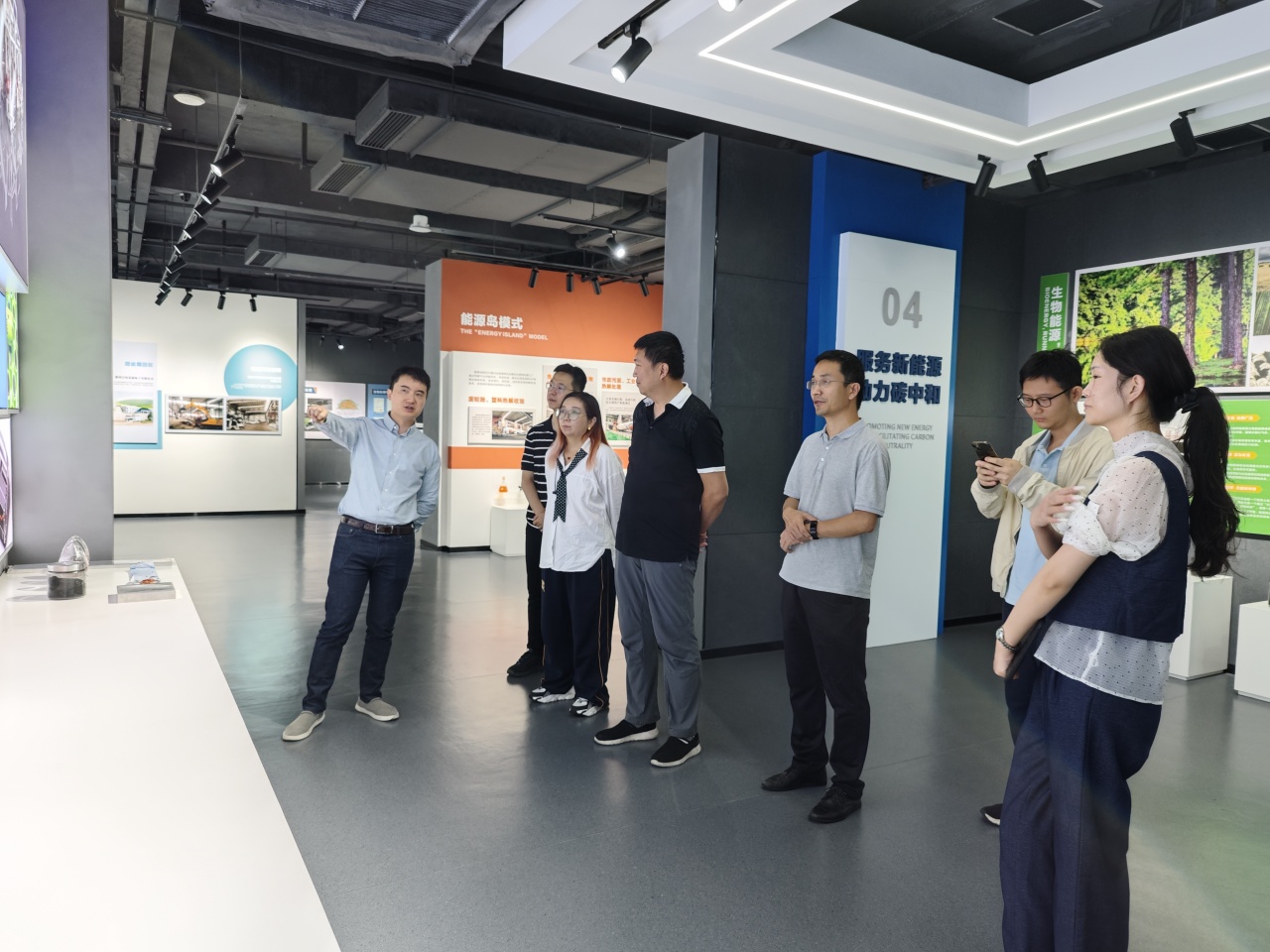
During the seminar, Zuo Zhiyue, Dean of Vary Tech’s Research and Design Institute, based on the company’s industrial operation practice in chemical recycling of household-derived waste plastics, pointed out that the carbon emission reductions from chemical recycling of waste plastics need to comprehensively consider the energy consumption and carbon emissions in the pretreatment stage. Waste plastics come from extremely complex sources, ranging from domestic waste to industrial waste. In the actual operation of projects, the energy consumption of pretreatment processes such as sorting, cleaning, and drying accounts for a high proportion of the entire process chain, reaching over 80% at maximum. If the CCER methodology only calculates the carbon emission reductions from the main pyrolysis reaction process, it will lead to a serious overestimation of carbon credits and make the methodology lose its scientificity and fairness.
At the same time, Zuo Zhiyue from Vary Tech further analyzed the specific technical challenges faced in the pretreatment stage: Chlorine (Cl) and Silicon (Si) are key technical obstacles that affect the quality of pyrolysis oil and restrict its subsequent hydrorefining; moisture control is crucial—excessively high moisture content not only consumes a large amount of heat energy but also interferes with the chemical reconstruction of the pyrolysis process, directly affecting product quality and energy efficiency; ash (such as sediment) significantly reduces oil yield and affects the quality of pyrolysis char. Although conventional water washing is effective, it faces high costs and strict environmental approval pressure.
Since investing in the construction of the Henan industrial operation base in 2018, Vary Tech has continuously promoted the industrial application of chemical recycling of waste plastics. In 2019, the company successfully applied the "Mechanical Biological Treatment (MBT) + Pyrolysis" combined process to realize the chemical recycling of household-derived waste plastics. The project uses biological drying technology to effectively reduce the high energy consumption of traditional pretreatment links and efficiently convert household-derived waste plastics into high-value-added products such as pyrolysis oil and pyrolysis char. Up to now, the base has accumulated a total waste plastic treatment volume of 110,000 tons.
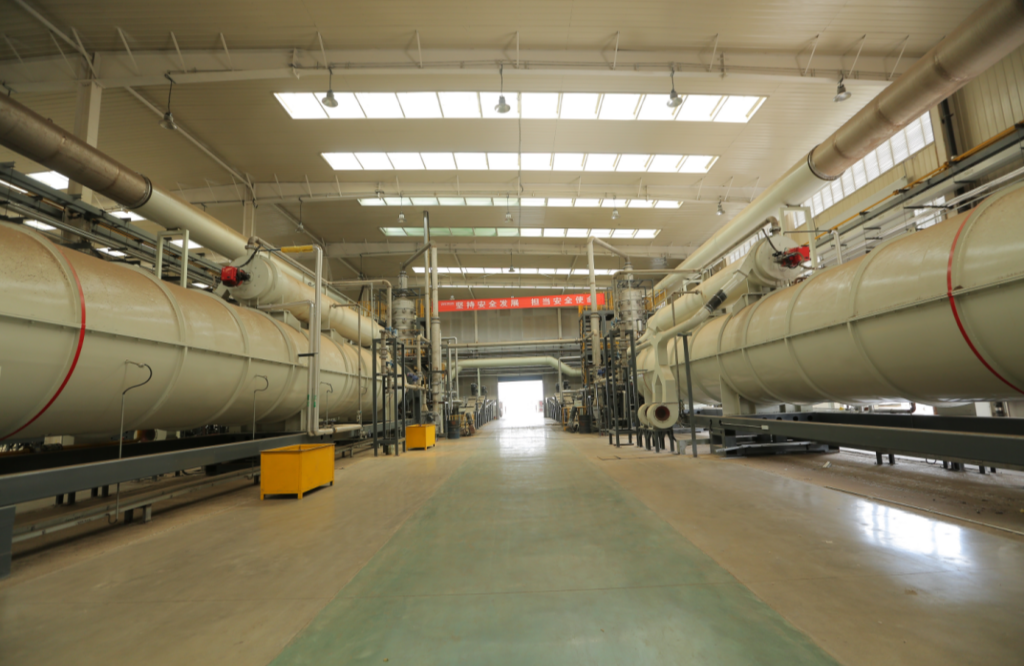
Based on the valuable industrial practice insights provided by Vary Tech, the meeting reached important consensus on key issues in the development of the CCER methodology, laying a solid foundation for the scientific formulation of subsequent standards. The participating experts unanimously agreed that the methodology should focus on covering the pretreatment stage, fully consider the differences in waste plastics from different sources, and establish corresponding accounting parameters; at the same time, priority should be given to supporting low-value waste plastics that are difficult to recycle physically, so as to effectively reflect the "additionality principle" of the project; to simplify accounting and avoid overlap with the mandatory carbon market, the project boundary should be clearly defined at the node of pyrolysis product generation. These consensuses deeply integrate industrial practice and policy needs, providing a clear direction and practical basis for the next step of methodology formulation.
This meeting is not only a technical exchange and discussion but also marks a solid step forward for China’s waste plastic chemical recycling industry on the path of carbon value realization. Vary Tech’s industrial practice has injected indispensable "practical genes" into the CCER methodology, which is expected to promote the establishment of a set of standards that are both scientific and rigorous and in line with industrial reality. This will truly give play to the incentive role of the carbon market and lead the industry towards a high-quality and low-carbon future.

