As April 2026 unfolds, global energy markets face their most severe crisis since World War II. With escalating geopolitical turmoil in the Middle East, the Strait of Hormuz — the “maritime jugular” carrying nearly one-third of the world’s crude oil — has suffered an unprecedented, sustained blockade.
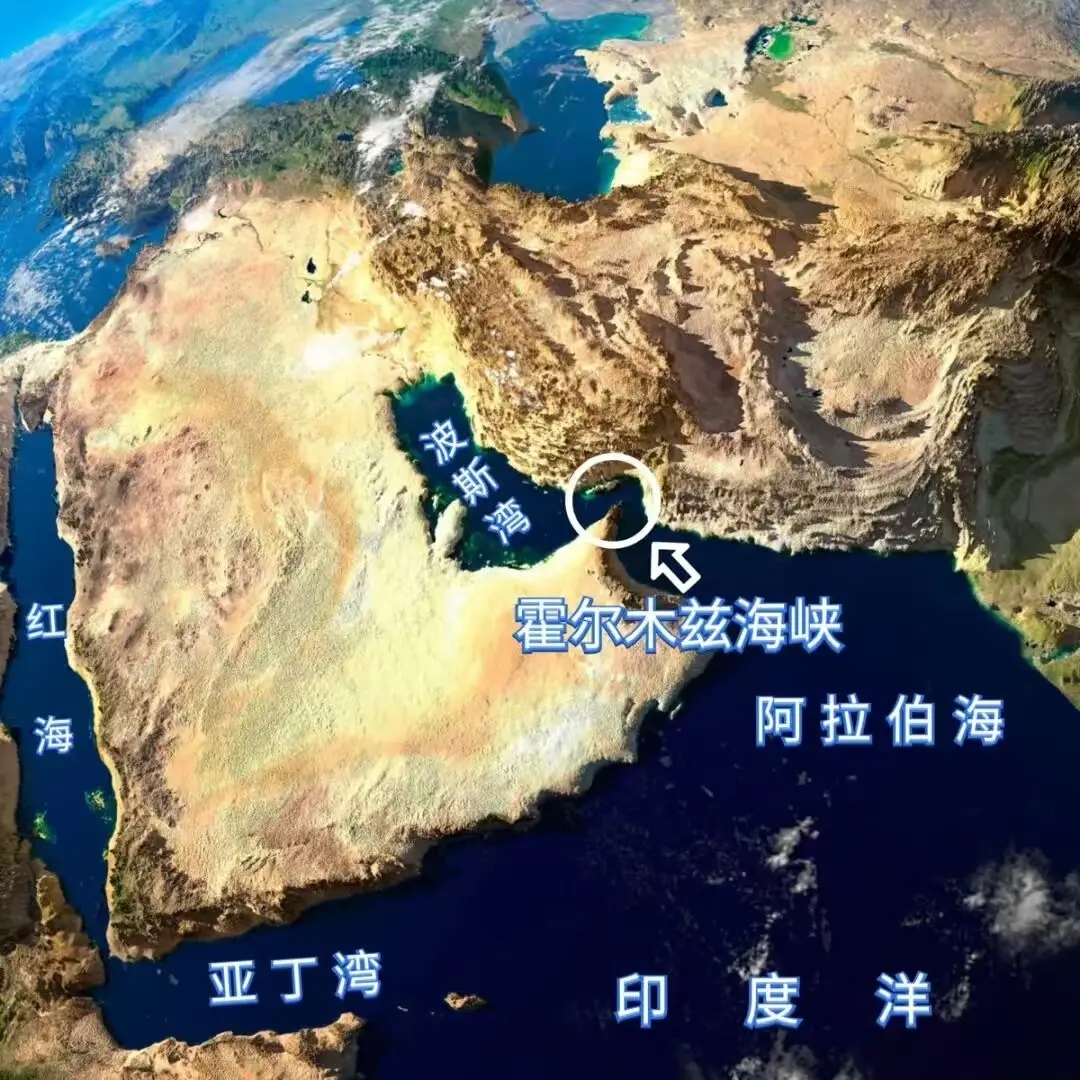
According to the International Energy Agency (IEA), a supply shortfall of over 20 million barrels of crude oil per day has sent Brent Crude prices soaring out of control within just two weeks, firmly settling at a historic high of $160 per barrel.
For petrochemical-producing nations, ocean logistics, and heavy industries that rely heavily on imported oil, this sudden crisis has triggered a catastrophic “energy chain rupture.” The skyrocketing cost of traditional fossil fuels not only crushes manufacturing margins but also threatens the security of basic supply chains. As a result, global capital and industrial markets are frantically searching for petroleum-based feedstocks that can be mass-produced, offer stable physicochemical properties, and provide a hedge against price volatility.
Under such extreme macroeconomic and geopolitical conditions, pyrolysis oil has shed its former label as merely an “environmental lab project” and emerged as “liquid gold” and “second crude oil” — safeguarding national energy security and corporate supply chain resilience.
For years, organic wastes — waste tires, waste plastics, oily sludge, hazardous waste, medical waste — have been seen as urban tumors. Yet from a pyrolysis chemistry perspective, these polymers are “urban mines” rich in hydrocarbons. Through high-temperature chain-scission reactions in specialized pyrolysis equipment, they can be converted into high-value hydrocarbon products.


Moreover, pyrolysis oil from waste tires is rich in aliphatic and aromatic hydrocarbons. This means it is not just a combustible fuel, but a high-value premium feedstock for petrochemicals. In today’s industrial landscape, it can be used as hydrocracking feedstock for refineries, as direct industrial fuel oil for steelmaking, cement kilns, boilers, and power plants, or refined into diesel for heavy trucks, ocean vessels, generators, and construction machinery. More forward-looking, with mandatory aviation decarbonization targets, pyrolysis oil is becoming a premium precursor for Sustainable Aviation Fuel (SAF).
Comprehensive calculations show that one ton of waste tires yields about 0.45 tons of high-grade pyrolysis oil. Against the backdrop of global crude oil holding above $160, this energy “mined” from low-cost or even negative-cost waste has achieved gross margins beyond historical peaks in the petrochemical industry.
In the face of the global “energy hunger” of 2026, converting waste into standardized energy safely, efficiently, and cleanly is a severe test for equipment manufacturers.
With 20 years of deep technical expertise in solid waste treatment and resource utilization, Vary Tech has broken through traditional process limitations and now delivers the market’s most stable, efficient, and fully ESG-compliant (2026 standards) integrated solution for waste-to-energy. Its core technological edge lies in two areas: industrial continuous operation and full-process pyrolysis control.
In the past, the industry widely adopted primitive or batch pyrolysis reactor. Such equipment suffers from low throughput, high labor intensity, severe safety risks (e.g., deflagration), serious secondary pollution (including dioxin emissions), and highly unstable oil composition.
Vary Tech’s self-developed continuous oxygen-free pyrolysis plant has completely revolutionized the status quo:
Modular Flexible Sealing Technology (Core Patent): Pyrolysis systems are highly vulnerable to deflagration caused by oxygen ingress. Vary’s innovative modular flexible sealing perfectly solves the world-class dynamic sealing challenge for large industrial pyrolysis units operating at high temperatures. Rigorous testing confirms a dynamic sealing leakage rate below 0.1%, achieving truly oxygen-free and ultra-safe operation inside the system.
Fully Automatic Continuous Feeding & Discharging: Breaks through material handling bottlenecks, enabling stable, constant continuous feeding of bulk or flaky organic solid waste (e.g., waste tires, plastics), plus efficient sealed cooling discharge under high-temperature enclosed conditions. The production line supports non-stop 24/7 operation for a month or longer.
Hot Air Recycling & Energy Management: Internal recycling of pyrolysis heat is key to reducing OPEX. Non-condensable gas (pyrolysis gas) from the Vary system is deeply purified and desulfurized, then directly fed back to the system via burners as the main heating source. In 2026, with $160 oil driving up global electricity and natural gas costs, this self-sufficient thermal design drastically cuts daily operating expenses and establishes an unrivaled cost advantage.
Pyrolysis is not only an art of temperature but also a touchstone for product quality.
Intelligent Temperature Control Center: Vary’s advanced intelligent control system, paired with multi-point temperature sensors, precisely regulates material temperatures across different reaction zones in the pyrolysis furnace, ensuring macromolecular chains crack at optimal temperatures and maximizing liquid oil yield.
High-Efficiency Quenching Three-Phase Separation Technology: Without rapid cooling, high-temperature oil and gas easily undergo secondary polymerization, causing coking or heavy oil formation. Vary’s innovative multi-stage combined quenching process, coupled with precise temperature control, achieves instant high-efficiency separation of pyrolysis gas, oil, and carbon within seconds. This greatly reduces side reactions and polymerization, significantly improving overall oil recovery while producing pyrolysis oil with clear color, reasonable distillation range, and extremely low impurities — strongly enhancing acceptance and premium pricing from large downstream refineries and chemical enterprises.
In the extreme 2026 energy market, investing in a modern Vary continuous pyrolysis plant delivers an impressive and highly predictable ROI. It is a “super business” combining economic and social benefits:
Extremely Low Cost Side (Even Negative Cost): Feedstocks such as waste tires, rubber, and plastics are available at very low cost with highly stable supply.In Europe, the U.S., and parts of Asia, operators do not need to purchase such waste; they can even collect substantial “disposal subsidies” from waste-generating enterprises.
Highly Profitable Output Side: As a bulk commodity, the price of Pyrolysis Oil is directly linked to international Brent crude oil prices.With crude oil holding above $160, the profit margin of Pyrolysis Oil has doubled compared to three years ago.
High-Value By-Product Matrix: Pyrolytic carbon, the main co-product, is processed into high-grade carbon black via grinding and granulation, serving as a scarce industrial raw material.Extracted high-carbon steel wire can also be directly monetized.Revenue from these by-products is often sufficient to cover the plant’s labor and depreciation costs.
Carbon Credits: Compared to incineration or landfilling of waste plastics and tires, chemical pyrolysis recovery significantly reduces greenhouse gas emissions. Amid high global carbon taxes in 2026, pyrolysis plant operators can earn substantial additional financial income by verifying and selling carbon reduction credits (e.g., CCER, VCS).
The 2026 Middle East conflict serves as a cruel mirror, ruthlessly exposing the fragility of traditional industrial systems built on a single fossil fuel source.
True energy security does not depend on praying for open straits, but on abundant “urban mines” and advanced circular technologies. With world-leading continuous pyrolysis technology and equipment, Vary Tech helps strategically minded countries and enterprises build their own “independent oilfields” from mountains of waste.
When the Strait of Hormuz is no longer calm and $160 oil becomes the norm, only those who master core resource recycling technologies can turn passivity into initiative — and remain invincible in this global energy tsunami.


