As 2026 unfolds, the global oil supply landscape has been severely fractured by geopolitical conflicts in the Middle East. With shipping blocked through the Strait of Hormuz, petrochemical giants worldwide face an acute shortage of core feedstocks: crude oil and naphtha. Meanwhile, waste plastic — long seen as an environmental liability — has suddenly become the industry’s most prized “liquid gold,” thanks to its rich hydrocarbon content.
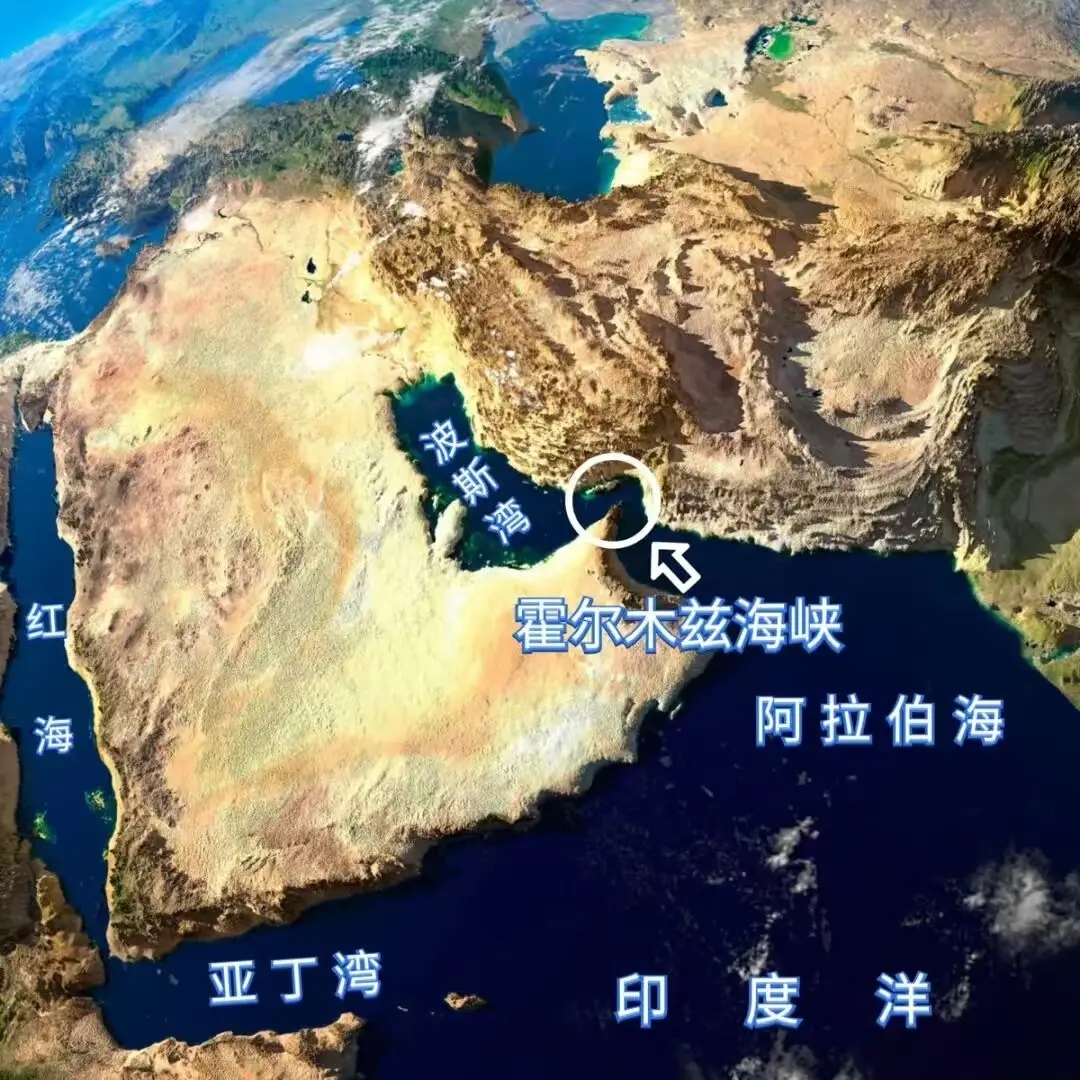
Opportunity in Crisis: When Waste Plastic Meets a Broken Oil Supply Chain
Currently, the global recycling rate for waste plastic stands below 10%, with the vast majority limited to low-value physical recycling. But at this energy watershed moment of 2026, chemical recycling technologies — led by pyrolysis — have opened a high-speed route from solid waste to high-value energy.
According to the latest forecast by Roland Berger, a leading global strategy consulting firm, in its report How EPC and Equipment Suppliers Benefit from Chemical Recycling, the global waste plastic treatment model is undergoing a profound transformation — from traditional disposal to chemical conversion.
Explosive Growth in Chemical Recycling Capacity
By 2050, total global input capacity for waste plastic recycling is expected to surge from 63 million tons in 2023 to 290 million tons. Among this, chemical recycling will achieve a compound annual growth rate (CAGR) of 13% — far exceeding physical recycling’s 5%. By 2050, chemical recycling is projected to account for 24% of total capacity (approximately 70 million tons), becoming a critical pillar in filling the petrochemical feedstock gap.
Hundreds of Billions in Capital Pour into the Waste Plastic Pyrolysis Sector
Projections show that by 2050, total annual capital expenditure on global waste plastic chemical recycling will reach €130 billion, with the Asia-Pacific region leading at €48 billion. Pyrolysis technology will dominate this investment, capturing €84.5 billion — a 65% share — while depolymerization and other technologies account for the remaining 35%.
Why Does Capital Favor Pyrolysis Technology?
The 65% capital flow to pyrolysis is driven by its high tolerance for mixed waste plastics and complex polymers, along with the outstanding ability of pyrolysis oil to replace crude oil. Amid the 2026 oil supply crisis, pyrolysis’s capability to turn plastic back into crude oil has made it the core equipment choice for petrochemical enterprises pursuing both resource self-sufficiency and carbon neutrality.
Physical Recycling vs. Chemical Recycling: Why Is Chemical Recycling the Ultimate Solution?
Traditional physical recycling struggles to handle modern complex packaging materials.
Limitations of Physical Recycling: It is ineffective against mixed plastics, multi-layer composites, and contaminated plastic waste. Moreover, recycled material performance degrades with each cycle, ultimately leading to landfill or incineration.
Ultimate Remolding via Chemical Recycling: It can process complex mixed plastics including PE, PP, and PS. Through cracking technology, long-chain polymers are fully broken down and reduced to small-molecule monomers or hydrocarbons.
High-Value Output: Pyrolysis oil from chemical recycling can be refined into naphtha feedstock. With crude oil soaring to $160 per barrel, the commercial value of this virgin-grade circular feedstock is gaining growing market attention.
Vary Tech: The Industry Game-Changer in Waste Plastic Pyrolysis to Oil
The waste plastic pyrolysis industry has long faced three major technical bottlenecks: equipment coking, difficulty in continuous industrial operation, and limited downstream application of products. As a leading enterprise with nearly 20 years of expertise in solid waste resource utilization, Vary Tech has launched a landmark integrated solution through continuous R&D in chemical recycling of municipal waste plastics.
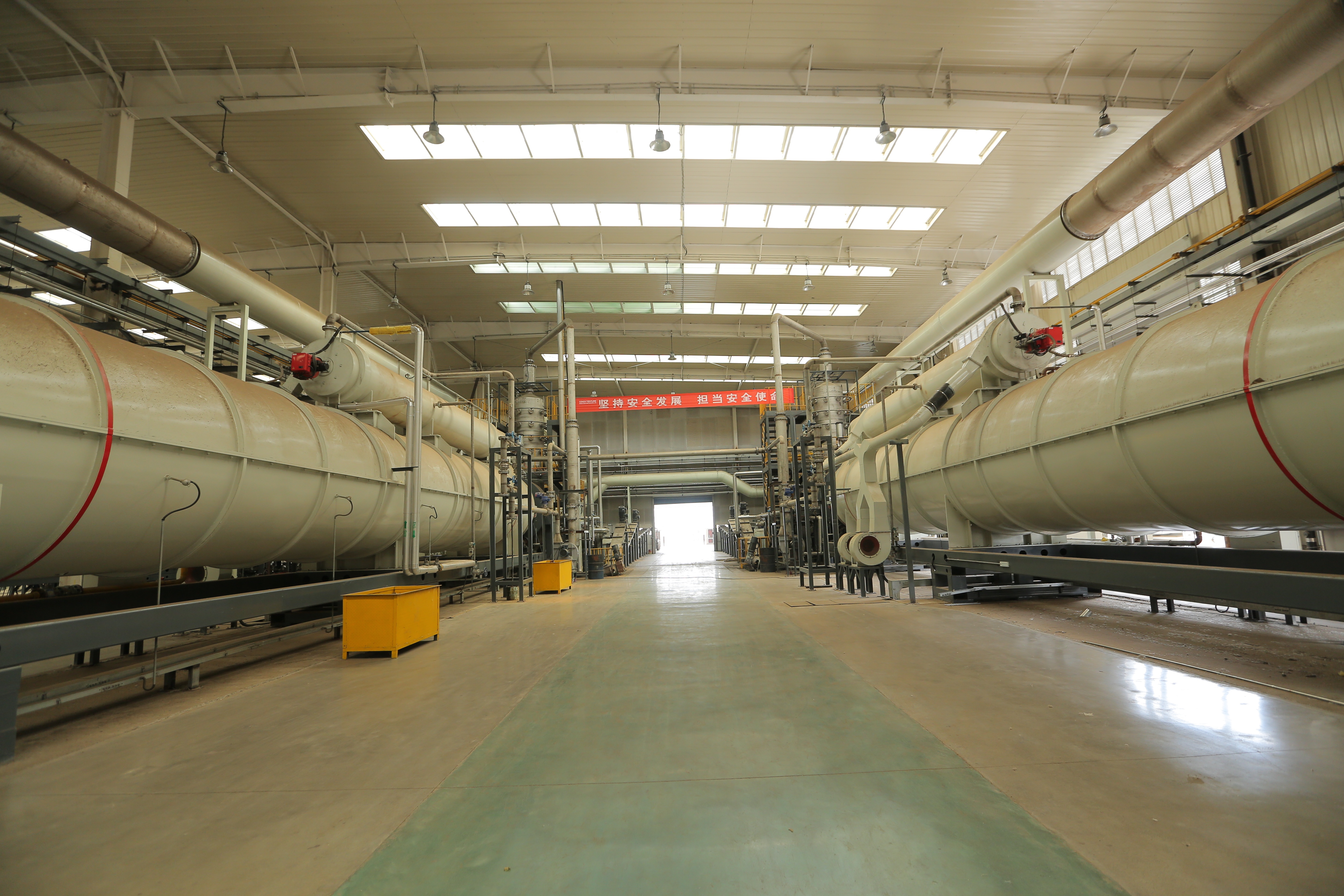
Patented Anti-Coking Technology to Resolve an Industry Chronic Problem
Waste plastic is highly prone to coking and carbonization during pyrolysis and melting. Adhesion to the inner wall causes a sharp drop in heat transfer efficiency and may even force equipment shutdown.
Vary Tech’s patented dual anti-coking technology — featuring a unique decoking device and optimized furnace structure — automatically separates impurities during pyrolysis while simultaneously cleaning deposits from the pyrolysis reactor wall. This breakthrough enables fully automatic in-line decoking without shutdown, laying the foundation for true industrial continuous production.
Integrated Pretreatment & Pyrolysis: High Compatibility with Mixed Plastics
Municipal waste plastic is highly diverse, including packaging bags, paper-plastic composites, and miscellaneous films. Achieving industrial continuous pyrolysis requires solving the problem of material homogenization.
Leveraging its three core technologies — mechanical crushing & sorting, oxygen-free pyrolysis, and rapid biodegradation — Vary Tech provides customers with an integrated system from pretreatment to pyrolysis.
Meanwhile, industrial continuous operation requires stable dynamic sealing, continuous feeding, and continuous discharging throughout waste plastic pyrolysis. Vary Tech’s modular flexible sealing technology adapts to complex movements inside the pyrolysis system, delivers excellent leakage prevention, and ensures stable dynamic sealing during continuous operation, laying a solid foundation for industrial application.
To date, the municipal waste plastic chemical recycling project built by Vary Tech has operated stably for five years, with a cumulative processing volume of 110,000 tons, verifying equipment reliability through real operational data.
Breaking Down Barriers to Downstream Product Application
In 2026, enterprises not only face pressure from soaring oil prices but also the strict challenges of global carbon quota trading.
Compared with direct incineration or landfill, chemical recycling of waste plastic via pyrolysis to oil reduces carbon dioxide emissions by approximately 50%. As a core member of the Chemical Recycling Task Force of the China Petroleum and Chemical Industry Federation, Vary Tech is working with global chemical giants in 2026 to advance the industrial chain of dechlorination, upgrading, and hydrotreating of waste plastic pyrolysis oil — accelerating the chemical rebirth from waste plastic to new plastic. This perfect closed-loop cycle is effectively easing the pain of global energy shortages.
Waste Plastic Pyrolysis Reshapes Absolute Resilience in Energy Supply
The 2026 Strait of Hormuz crisis sends a stark warning: the lifeblood of industry must never rely entirely on a single ocean shipping route.
Vary Tech’s waste plastic chemical recycling technology is turning plastic waste piles in thousands of cities into mobile strategic energy reserves. Amid the dark era of $160-per-barrel crude oil, Vary Tech is lighting a green beacon for the global petrochemical industry with innovative and robust pyrolysis technologies and equipment — making the circular economy the true cornerstone of energy security for nations and enterprises alike.


