As the global push for circular economy and carbon reduction intensifies, waste tyre treatment is no longer about simply "getting rid of" scrap rubber — it is about how much material value can be recovered and returned to the supply chain.
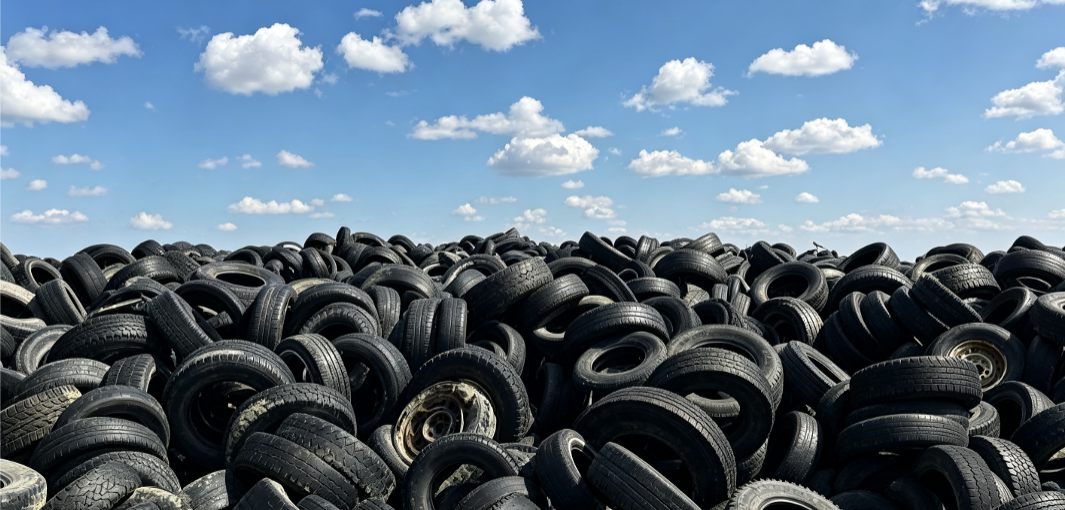
South Korea introduced its Extended Producer Responsibility (EPR) system for tyres in 2003, placing legal collection and recycling obligations on manufacturers and importers. Over the past two decades, the country has built a mature waste tyre ecosystem that links producers, sales and maintenance outlets, collection and logistics operators, and downstream resource recovery facilities.
Yet in practice, the majority of South Korea's waste tyres still go to cement kilns for energy recovery. Physical processing and material recycling account for a meaningful but secondary share, while pyrolysis remains at an early industrial stage. According to the Korea Tyre Manufacturers Association (KOTMA), only about 1,558 tonnes of waste tyres — just 0.4% of total generation — were processed via pyrolysis in 2025.
That low number, however, is not a verdict — it is an opportunity. With rising demand for high-quality recycled feedstocks, closed-loop material systems, and low-carbon manufacturing, pyrolysis is fast becoming a market segment worth watching in Korea.
From Bulk Disposal to Graded, Value-Based Processing
Waste tyres are not a single, uniform feedstock. Different types and conditions call for different treatment routes. Today, South Korea's waste tyre disposal landscape consists of four main pathways:
Retreading & Reuse
Tyres with intact carcass structures that meet safety and technical standards are excellent candidates for retreading. Extending tyre life directly reduces the consumption of virgin rubber, carbon black, and energy required for new tyre production — making this the most resource-efficient option where applicable.
Physical Processing & Material Recovery
Shredding and separating waste tyres into rubber granulate, steel wire, and fibre is a well-established recovery route. Rubber powder finds use in moulded products, sports surfaces, modified asphalt, and select building materials. That said, the commercial value of physically recovered products is heavily influenced by feedstock cleanliness, particle size distribution, impurity levels, and downstream demand. When products become commoditised or end-markets soften, margins shrink and sales geography narrows.
Energy Recovery in Cement Kilns
Waste tyres offer high calorific value and can substitute for fossil fuels in cement kilns. Their steel wire and inorganic content can also be partly absorbed into clinker. This route provides large-scale, stable disposal capacity and remains a major outlet for Korean waste tyres today. However, as carbon accounting tightens and material-efficiency expectations rise, simply burning tyres for energy leaves too much value on the table — the rubber, carbon black, and hydrocarbon oils are lost. The market increasingly needs high-value pathways that work alongside, not instead of, bulk energy recovery.
Anaerobic (Oxygen-Free) Pyrolysis & Thermochemical Conversion
Pyrolysis heats waste tyres in a sealed, oxygen-deprived environment, breaking down rubber polymers into three recoverable streams: pyrolysis oil, pyrolytic carbon (which can be upgraded to recycled carbon black), steel wire, and a combustible non-condensable gas.
Compared with combustion, pyrolysis preserves far more material value. It opens the door for tyre-derived oil to enter refinery and petrochemical feedstock systems, and for pyrolytic carbon to become a genuine substitute for virgin carbon black. This makes it a strategic technology for high-value tyre recycling.
Crucially, these four routes are not interchangeable alternatives. The optimal choice — or combination — depends on tyre condition, feedstock composition, product market dynamics, and project economics.
What Determines the Pyrolysis Value of Different Tyres?
For any pyrolysis project, feedstock value is not about remaining tread depth or age. It comes down to five factors: tyre structure, material composition, impurity content, pre-processing cost, and reliable supply. Let us look at the three main tyre categories:
TBR (Truck & Bus Radial)
Sourced from heavy trucks and coaches, TBR tyres contain a relatively high proportion of natural rubber and a substantial steel wire content, with generally stable material characteristics. Their advantages include consistent rubber quality, clearly recoverable steel value, and a pyrolysis oil with a higher renewable-carbon content than passenger-car tyres. The trade-off is their heavy-duty carcass and bead construction demand more powerful shearing, wire-extraction, and shredding equipment.
PCR (Passenger Car Radial)
PCR tyres come from the mass passenger-vehicle market — large volumes, wide availability, and a reliable foundation for scaled pyrolysis operations. Compared with TBR, PCR tyres typically contain more synthetic rubber, fibre, silica, and other formulation additives. Oil yield and product quality depend not just on the "PCR" label, but on brand, compound recipe, reactor temperature, residence time, reactor design, and condensing efficiency.
OTR (Off-The-Road)
OTR tyres come from mining, construction, and heavy industrial equipment. They are massive, high-grade in rubber content, and complex in bead, wire, and carcass construction. Commercial viability depends on stable supply volumes, transport distance, and pre-processing cost. Capital outlay, energy consumption, and cutter wear on large-scale shearing and bead-separation systems are often the deciding factors in project economics.
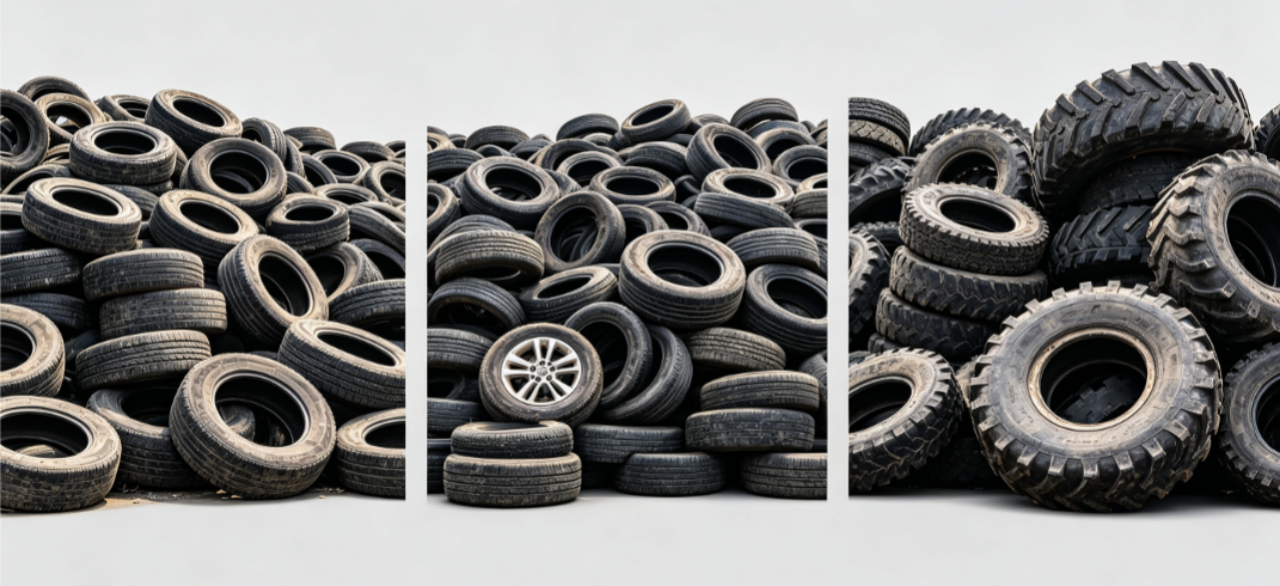
The Takeaway: Do not choose a pyrolysis feedstock by category alone. "TBR vs PCR vs OTR" is not a reliable shortcut. Sound project design starts with representative sampling, compositional analysis, and continuous pilot-scale testing of the actual feedstock you intend to process.
How Pyrolysis Reshapes the Value Chain of Waste Tyres
The real value of pyrolysis is not "turning tyres into oil." It is directing each output into a specific downstream market with clear quality specifications — through stable, repeatable process control.
Pyrolysis Oil (From Combustible Fuel to Refinery Feedstock)
Tyre pyrolysis oil has high energy content and contains valuable aromatics, olefins, and limonene. But raw pyrolysis oil typically carries high sulphur, nitrogen, unsaturated hydrocarbons, PAHs, gums, and fine particulates. It is not a drop-in substitute for diesel. Depending on the target market, the oil can be upgraded through filtration, dehydration, stabilisation, fractionation, desulphurisation, denitrification, and hydrotreating.
Pyrolytic Carbon (Upgraded to Recycled Carbon Black - rCB)
The solid product directly discharged from the furnace is crude pyrolytic carbon. To turn this into rCB, it must go through magnetic separation, impurity removal, grinding, classification, deashing, surface modification, and pelletisation. Once it meets the required specifications, rCB can be used in rubber goods, plastics, coatings, and inks.
Steel Wire (Graded by Quality)
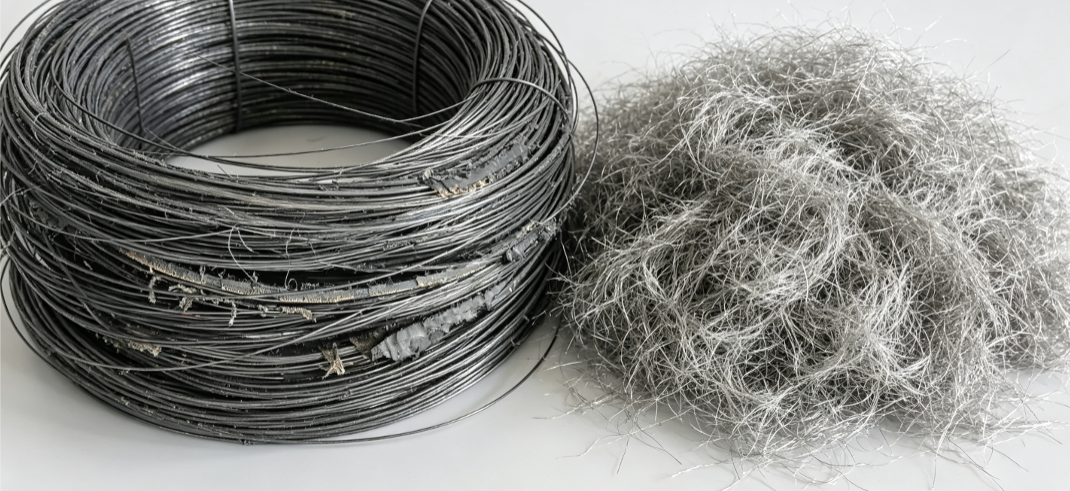
Steel wire recovered from pyrolysis can be sold to steel mills as furnace charge. Clean, well-formed wire with stable metallic properties can also be further processed into steel shot or other industrial abrasives. Actual value depends on oxidation level, residual carbon, copper contamination, and the buyer's acceptance criteria.
Non-Condensable Gas (Cutting External Energy Use)
The gas stream contains hydrogen, methane, and C₂–C₄ hydrocarbons with useful heating value. After gas-liquid separation, pressure stabilisation, and purification, it can be recirculated to supply heat to the pyrolysis system itself, dramatically reducing consumption of external fuels once the plant reaches steady operation.
Environmental Compliance Is a System-Level Issue
Sealed, oxygen-free pyrolysis greatly reduces the risk of oxidation and dioxin formation inside the reactor. But it is not a "zero-pollution" technology by default. A fully compliant, safe pyrolysis system must manage all of the following:
- Chlorinated compounds, sediment, moisture, and other impurities in incoming feedstock.
- Fugitive dust and fugitive emissions during feeding, discharging, and carbon-handling.
- VOCs and odour from pyrolysis-oil storage.
- Pressure stabilisation, flame arrest, flashback prevention, and emergency venting for non-condensable gas.
- Dust, NOₓ, SOₓ, CO, and other pollutants in combustion flue gas.
- Safe disposal of wastewater, oily sludge, collected ash, and cleaning residues.
- Real-time monitoring and interlock control of temperature, pressure, oxygen level, and combustible gas concentration.
By physically isolating the reaction and combustion sections, ensuring thorough flue-gas incineration, rapid quenching, multi-stage dust removal, and integrated gas cleaning, overall site emissions can be effectively controlled. Full compliance with South Korean local regulations can only be confirmed through specific project testing and permitting.
Project Economics Come from System-Wide Synergy
A pyrolysis project's profitability is not about equipment price or a single product yield. It depends on seven interconnected factors:
- Feedstock: Stable supply at a controllable cost.
- Pre-processing: Systems that match your TBR, PCR, or OTR mix.
- Pyrolysis: Reliable, continuous, safe operation over the long term.
- Oil: A clear upgrading pathway and a committed buyer.
- Carbon: A viable route from pyrolytic carbon to saleable rCB.
- Energy: Safe, stable utilisation of non-condensable gas on-site.
- Compliance: Full environmental permits, product certifications, and carbon accounting.
Only when all seven are planned as an integrated system does pyrolysis move from being a waste-disposal facility to a long-term competitive circular-economy asset.
20 Years of Expertise: A Complete Waste-Tyre Solution, Engineered for Korea
Vary Tech has spent two decades developing and industrialising solid-waste resource-recovery systems. For waste tyres, we offer a fully integrated solution — from front-end shredding and separation, through anaerobic pyrolysis and oil/gas recovery, to carbon upgrading and flue-gas cleaning.
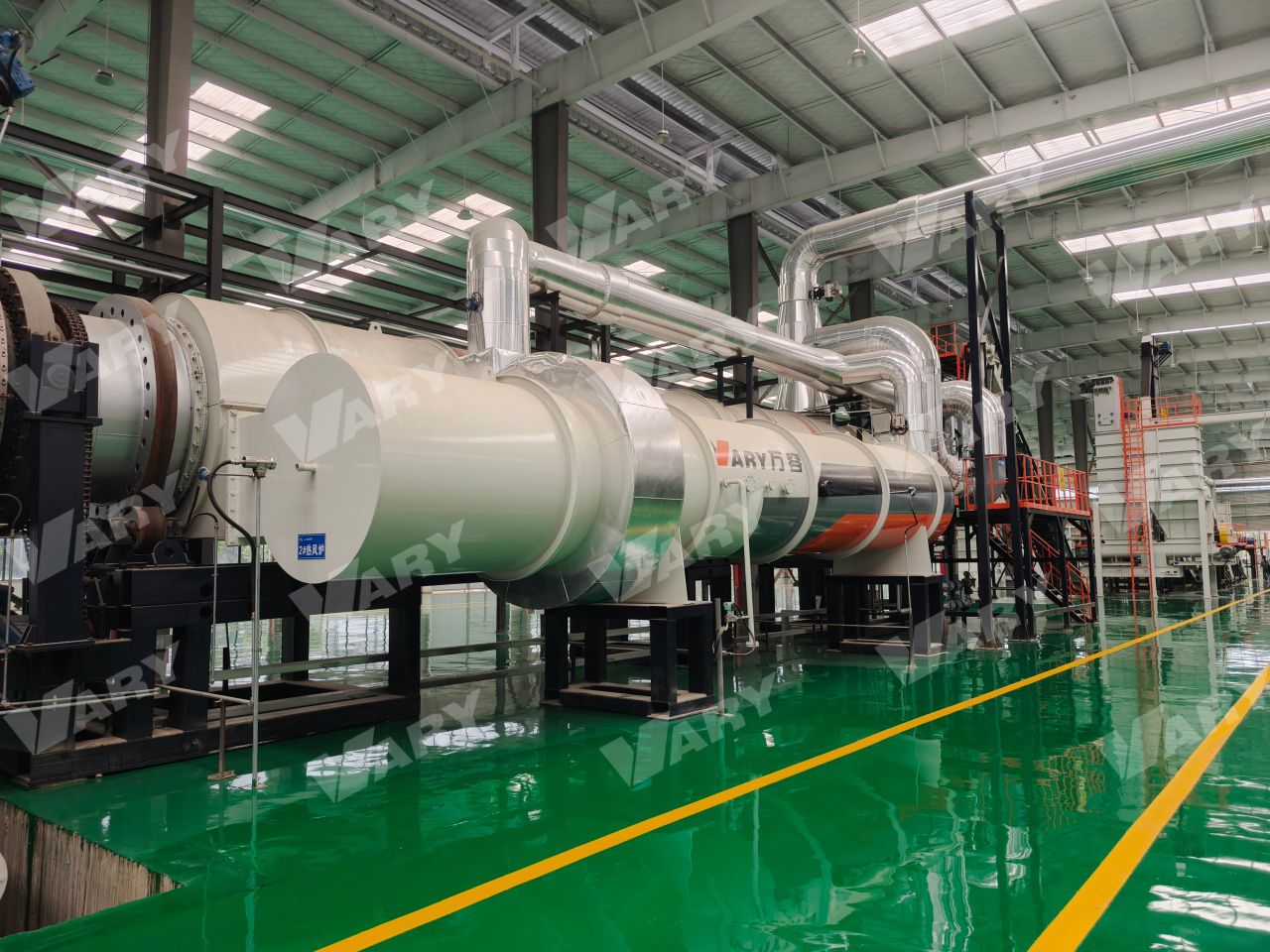
We design for real-world conditions. For each Korean client — based on feedstock type, site layout, target capacity, and end-market — our portfolio includes:
- Whole-tyre shearing and multi-stage shredding lines
- Steel-wire, rubber, and fibre separation systems
- Rubber-powder and TDF production units
- Continuous anaerobic pyrolysis trains
- Pyrolysis-oil condensing, filtration, and storage modules
- Carbon impurity removal, milling, modification, and pelletisation lines
- Non-condensable gas recycling and flue-gas treatment
- Plant-wide automation, safety interlocks, and data recording
To date, Vary Tech has supplied over 100 pyrolysis production lines to global customers. Depending on feedstock characteristics, pre-processing setup, and system configuration, single-line design throughput can reach up to 100 tonnes per day. We provide end-to-end support to help you build a waste-tyre project that actually runs, actually sells, and actually lasts.
The Road Ahead — and an Invitation to Meet in Person
Waste tyres are not just high-calorific fuel. They are composite urban mines — containing recoverable rubber, carbon black, steel, and hydrocarbon value in a single feedstock.
With South Korea's mature EPR framework as a foundation, the future of waste-tyre treatment lies in graded, value-driven utilisation. Physical recycling, cement-kiln energy recovery, and pyrolysis will not replace each other; they will co-exist in a smarter mix, matched to feedstock characteristics and market needs.
Visit Vary Tech at RETECH 2026 — and see how pyrolysis fits your strategy
From 2–4 September 2026, Vary Tech will exhibit our anaerobic pyrolysis technologies and integrated waste-tyre solutions at RETECH 2026 — Korea's premier exhibition for waste, resource recycling, and environmental technology.
We invite you to visit us at Booth 135, Hall 7, KINTEX Exhibition Center II, Goyang City — to discuss physical recycling, pyrolysis, rCB production, and full-project planning. Let us explore together how high-value tyre recycling can become a practical, profitable reality for your business in Korea.
We look forward to meeting you there.


