China's Ecology and Environment Code, the U.S. Release-Based Cleanup (RBC) rules, the EU Soil Monitoring Law (SML), and India's Hazardous and Other Wastes Management Rules have all taken effect in 2026. Together, they have completely upended traditional oily sludge treatment. This isn't just a regulatory storm — it's a strategic window to turn waste management into resource extraction and sustainable industrial growth. Here's a clear breakdown of the global policy shift, and why anaerobic pyrolysis and ex-situ thermal desorption (TDU) are now the technologies that help you stay compliant while turning hazardous sludge into high-value green assets.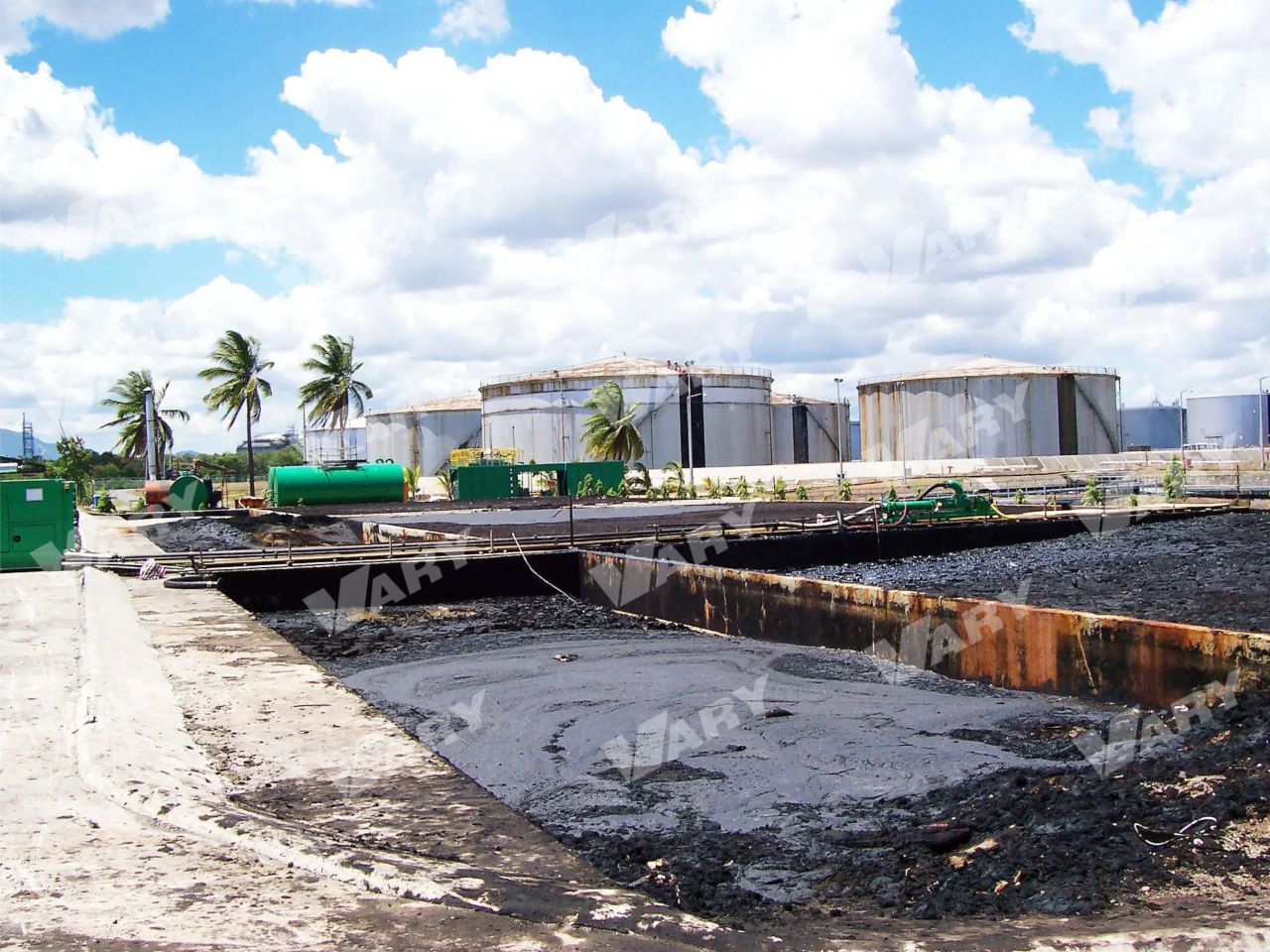
For decades, oily sludge management has been riddled with grey areas. Bottom sludge from oilfields and refinery wastes were routinely solidified, dumped illegally, or stockpiled indefinitely. In 2026, all major economies have tightened the rules at once, replacing vague guidelines with binding laws backed by heavy penalties.
Until recently, oil companies in some U.S. states could postpone cleanup of contaminated land indefinitely — until they wanted to sell or transfer the property. That changed on March 1, 2026. Led by Connecticut, major industrial states now enforce Release-Based Cleanup (RBC): any detected petroleum pollution must be reported immediately, and a substantive cleanup plan must be initiated within 120 days.
What this means for industry: The 120-day deadline has sent shockwaves through the oil and gas sector. Spill sites — drilling platforms, aging tank farms — are often cramped and hostile, making in-situ treatment unworkable within the timeframe. The solution? Large volumes of sludge must be rushed, via regulated logistics, to specialized facilities equipped with large-scale fixed TDU units. Only systems with high throughput and ultra-reliable uptime can clear sites on time and avoid penalties that accumulate daily.
Regulatory pressure is rewriting the business case for sludge treatment. The shift is from defensive compliance to active value creation.
Not long ago, sludge treatment was a low-priority chore for oil majors — the goal was simply to avoid incidents, complaints, and production delays. By 2026, however, the world is racing toward Net Zero, and regulators and the public alike are demanding full soil accountability. Protecting soil health has become a defining priority of this century — and multinational CEOs now treat it as a core strategic risk.
The new rules reject incineration-and-bury models. Instead, compliance pressures have unlocked a hidden treasure: oily sludge typically contains 10–50% recoverable crude fractions. With the right technology, those hydrocarbons can be stripped out and sold as fuel oil or chemical feedstock. Waste becomes revenue. The operation moves from cost-heavy to high-margin circularity.
In today's commercial environment, environmental compliance is no longer a "nice-to-have" — it's a "must-have." Major oil and gas companies now use ESG ratings as a veto in supplier selection. For waste treatment firms, adopting low-carbon, high-integrity technology isn't optional — it's the only way to win and keep contracts with global energy leaders.
The 2026 reset has exposed critical weaknesses in conventional methods:
Incineration reduces volume quickly, but it's an oxidation process that produces dioxins and significant CO₂ emissions. Worse, high heat destroys soil structure, leaving behind dead ash that fails EU soil health tests.
Chemical washing and solvent extraction consume large amounts of surfactants and solvents, involve complex steps, and generate huge volumes of contaminated wastewater — creating secondary pollution risks.
Centrifugation and biodegradation fall short in different ways. Centrifugation only handles free-phase oil; it can't treat heavily emulsified sludge. Biodegradation takes months or years and doesn't work on heavy metals or PAHs — so it can't meet the U.S. 120-day deadline.
The market is demanding one technology that does it all: clean compliance and profitable recovery.
Under today's regulations, you're not buying a machine — you're buying protection against fines and a ticket to global markets. Vary Tech, with 20 years of experience in solid waste resource recovery, offers fully integrated oily sludge pyrolysis systems built on proprietary anaerobic pyrolysis technology. These systems are field-proven and engineered to match the 2026 mandates: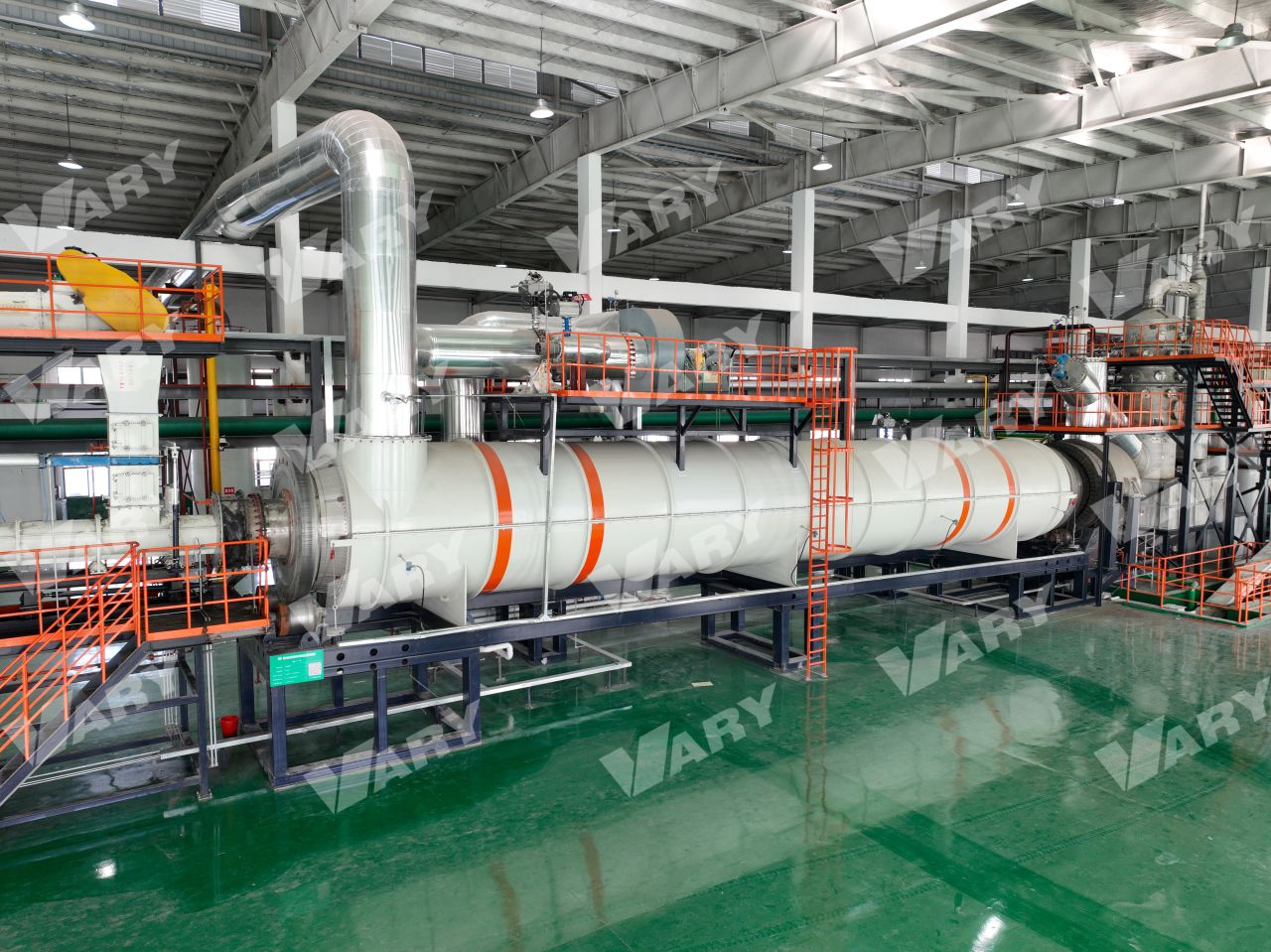
To meet the EU's strict Soil Monitoring and Resilience Directive, Vary Tech's systems use flexible sealing to maintain a strictly anaerobic, slightly negative-pressure environment throughout the process.
This shuts down secondary pollutant formation. Paired with an efficient quenching and three-phase separation unit, the output solids consistently show oil content below 1%. Heavy metals are immobilized, and the soil's mineral structure stays intact. The clean material can be used directly for road base, brick production, or ecological restoration — fully qualifying for the EU's Soil Health Certificate.
The U.S. 120-day rule demands massive capacity. Vary Tech's continuous pyrolysis systems deliver reliable annual uptime exceeding 8,000 hours, with a single unit processing up to 240 tons per day.
Anti-coking patents and efficient heat transfer enable 24/7 feeding and discharging. This gives disposal centers the agility to digest large spill volumes within the legal window — and keep clients safe from multimillion-dollar fines.
Vary Tech has taken circular economy to its operational core. The non-condensable gas generated during pyrolysis — mainly methane and ethane — is purified, stabilized, and fed back into the combustion chamber as the primary heat source for the main furnace.
This cuts natural gas costs significantly and shrinks the project's carbon footprint. In an era where ESG ratings affect financing costs, this low-carbon (even carbon-negative) equipment gives environmental firms a powerful green story for global investors.
After treatment via Vary Tech's anaerobic pyrolysis or thermal desorption, oily sludge is converted into gaseous hydrocarbons, liquid pyrolysis oil, and solid residue. Most gas is recirculated for heating; flue gas is combusted and discharged within limits. Pyrolytic carbon becomes raw material for bricks or carbon products, while liquid oil serves as fuel or refinery feed.
For forward-looking investors, oilfield service providers, and engineering firms, the question is no longer whether to enter this space — it's which partner can get you there first. Adopting advanced anaerobic pyrolysis and TDU technologies — such as those offered by Vary Tech — builds a robust shield against regulatory fines and opens the door to a trillion-dollar blue ocean in hazardous waste recovery.
Hazardous waste? That label is fading. The new dawn for green assets has arrived.


