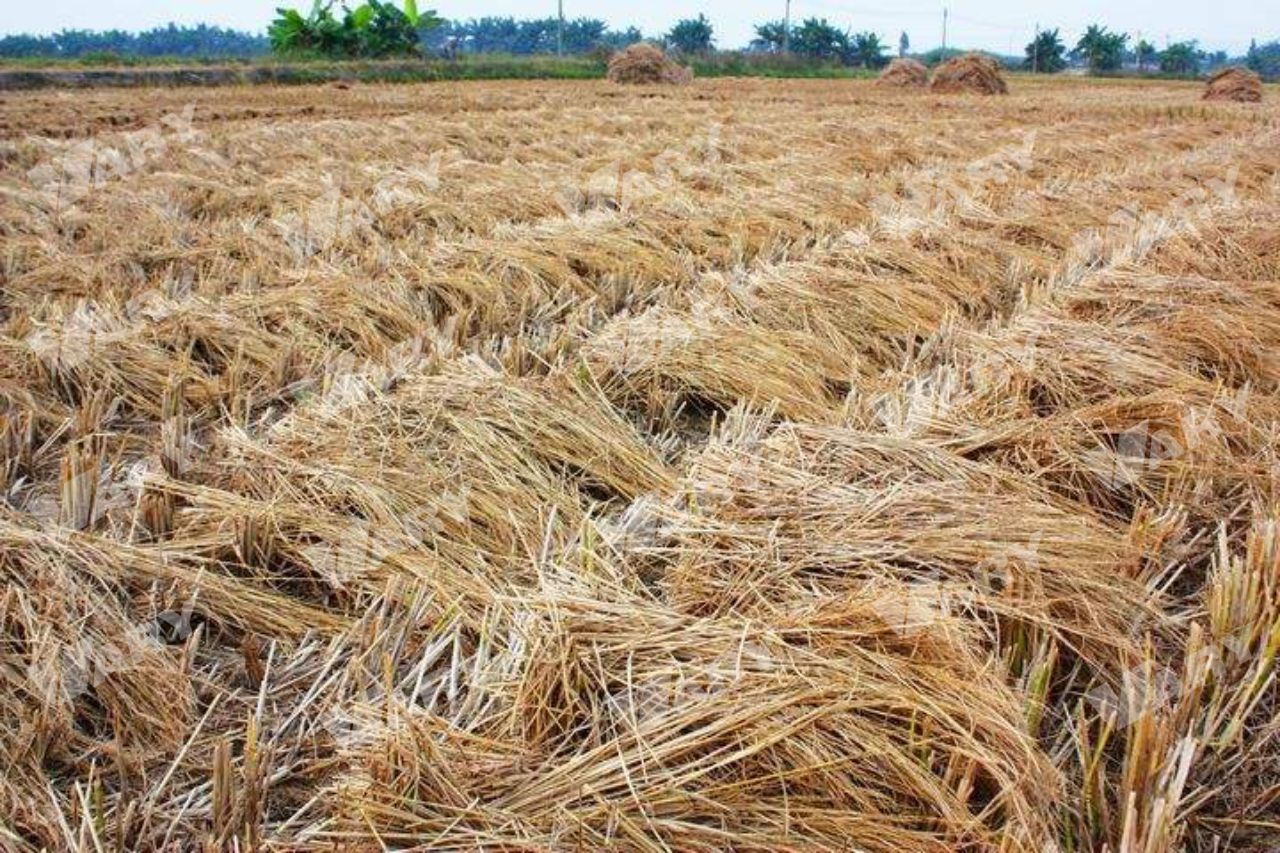
In the past, high collection costs and limited processing options left most straw with two grim fates: burned in the open, choking the air, or left to rot, wasting precious biomass. The environmental damage from open burning is severe. Research and field monitoring show that each tonne of straw burned releases roughly:
100 kg of soot (including PM2.5 and PM10)
15 kg of carbon monoxide
3 kg of nitrogen oxides
0.5 kg of volatile organic compounds
1.2–1.5 tonnes of CO₂
0.01 tonnes of nitrous oxide
Nationwide, straw burning pushes average PM2.5 levels up by 0.9 μg/m³, according to government assessments.
Take Changde, Hunan Province. During peak burning seasons, hourly PM2.5 spikes hit 99.1 μg/m³, with PM10 reaching 123.3 μg/m³ — plunging regional air quality into the "severe pollution" category. In January 2025 alone, satellites detected 19,314 fire points across China — a 396% year-on-year surge. By March, the count climbed to 21,196, with fire activity during moderate-to-heavy pollution periods up 189%.
But air pollution is only half the story. Every tonne of straw burned is a lost opportunity — fuel, fertilizer, and feed all go up in smoke.
A quiet revolution is taking root in rural China. It's called biomass pyrolysis — and it's transforming straw from an environmental headache into a green asset.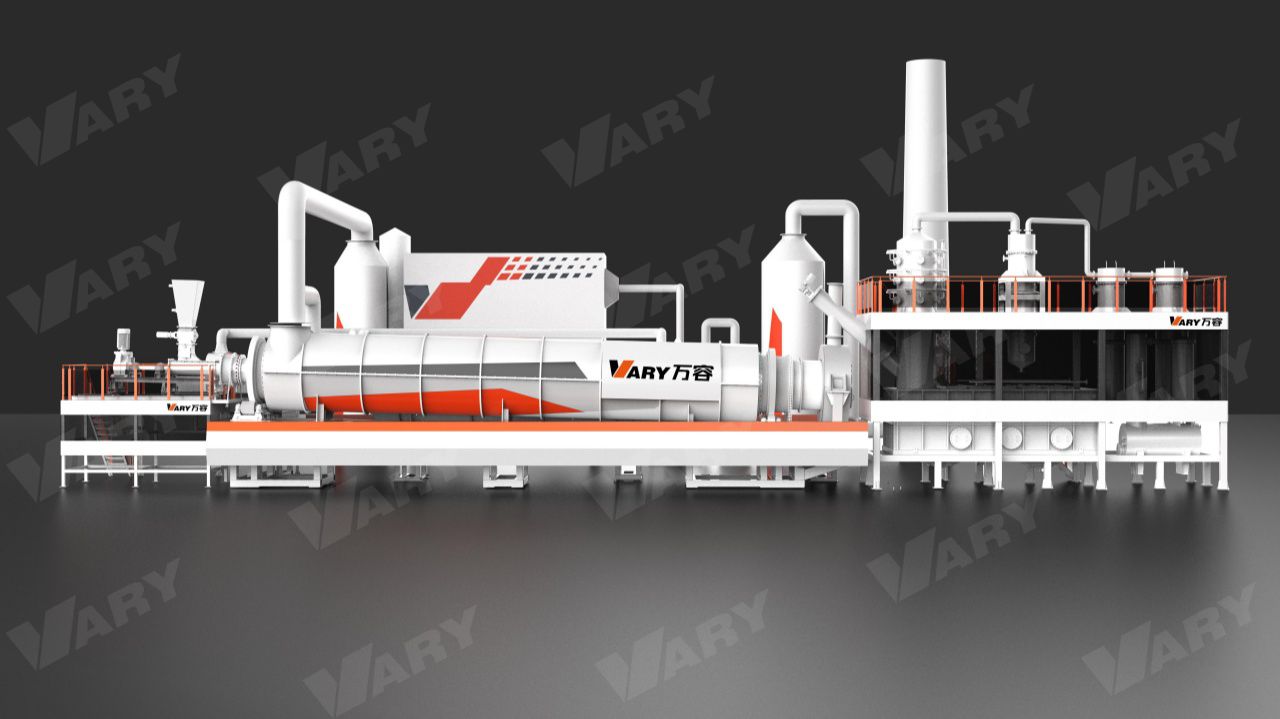
So how does it work? Biomass pyrolysis is a thermochemical process that breaks down organic material in the absence of oxygen into three usable products:
|
Product |
Application |
|
Biochar |
Soil enhancer & carbon sink |
|
Bio-oil |
Fossil fuel substitute |
|
Syngas |
Heating & power generation |
Depending on temperature and heating rate, pyrolysis can be slow, fast, or flash — each yielding different product mixes. Rapid heating maximizes bio-oil and gas; slow heating produces higher-quality biochar with better porosity and chemical stability.
The key insight? We're not burning straw — we're unlocking its hidden value.
Academician Du Xiangwan, professor at the Chinese Academy of Engineering, calls biomass "the only non-fossil energy source capable of delivering energy in multiple forms." It can generate heat as a solid fuel, convert into liquid biofuels like ethanol and biomethane, or even synthesize into methanol and sustainable aviation fuel — a true "full-spectrum" energy solution.
Once a major source of rural non-point pollution, straw is now entering a closed-loop system: collect → process → convert. The result? Straw becomes clean fuel, organic fertilizer, and animal feed.
China's new Energy Law, effective January 2025, explicitly supports biomass development — from power generation and clean heating to liquid fuels and biomethane. The National Energy Administration, together with environmental and agricultural authorities, has launched rural energy revolution pilots nationwide.
Straw pyrolysis doesn't just clean the air — it fills pockets.
At a collection cost of 200 RMB/tonne, China's 900 million tonnes of straw could generate over 180 billion RMB in direct income for farmers. The collection, transport, and processing value chain is also a massive job creator — straw collection infrastructure alone could support millions of rural jobs.
Real-world proof: The "Chongqing Black Soil" Project
Designed capacity: 20,000+ tonnes of straw recycled annually
Daily output: 60+ tonnes of biochar
Daily revenue: 150,000+ RMB
Per-line annual farmer income boost: 8+ million RMB
Total Chongqing resource value: 720 million RMB (1.8 million tonnes × 400 RMB/tonne)
Crop yield increase: >10%
Fertilizer reduction: 30–70%
The technology is moving out of research institutes and onto real farms. Here's what's happening on the ground:
Zigong, Sichuan — A fast-pyrolysis demonstration project is now operational, using high-temperature, oxygen-free conditions to break down straw into biochar, bio-oil, and syngas — creating a full "collection → conversion → application" chain that stops open burning at its source.
Vary Tech — This company's proprietary pyrolysis system converts straw, corn cobs, and other crop residues into high-value biomass gas and biochar. The system provides clean energy to surrounding communities while closing the resource loop. Michael Wild, President of the International Biomass Torrefaction & Carbonization Council (IBTC), has praised Vary Tech for developing China's first large-scale industrial biochar production line.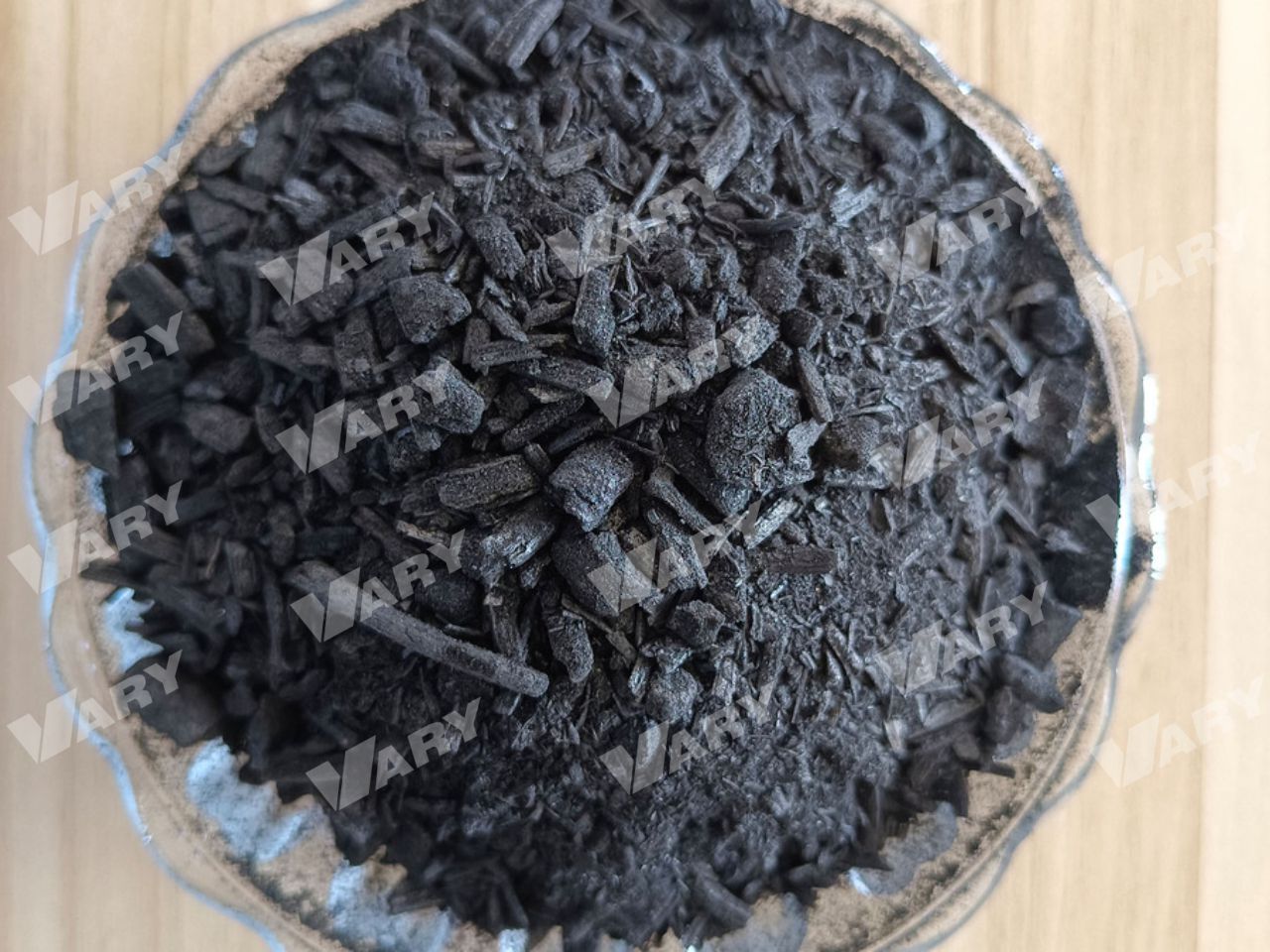
Nan County, Hunan — A pyrolysis-gasification facility generates syngas and carbonized rice husks. The syngas is combusted to produce green steam for local food processing and seafood manufacturing; the carbonized husks become carbon-based compound fertilizers that boost soil fertility.
Guangning, Guangdong — A bamboo-based project integrates biomass gasification with high-temperature molten salt storage and multi-energy cogeneration. The full chain — bamboo pyrolysis → thermal storage → power + steam supply — is expected to generate 675 million RMB in annual output value at full capacity.
Yunnan Province — A cutting-edge project has developed 400kW–2700kW high-power microwave pyrolysis equipment, filling a global gap in industrial-scale units. Compared to conventional systems, it delivers:
>10% higher production efficiency
50–80% lower energy consumption
On the policy front, China's 2025 revised Technical Specifications for Comprehensive Straw Utilization mandates a minimum 60% straw off-field collection rate — driving the collection-equipment market past 8 billion RMB.
This shift — from burning straw to "mining" its value — is about much more than technology. It's a fundamental change in how we see waste.
What was once "rubbish" is now green gold. The white plumes that once darkened rural skies are being replaced by clean-burning syngas. And this quiet revolution on the farm is delivering on three of China's biggest priorities: energy transition, rural revitalization, and carbon neutrality.
As experts agreed at the 2025 Biomass Energy Innovation and Development Forum:
"Efficient utilization of agricultural and forestry waste isn't just about energy — it's a strategic lever for solving rural challenges and unlocking the green economy."
By 2025, China aims to establish a network of green, low-carbon rural energy pilot zones, with renewables — wind, solar, biomass, and geothermal — taking a rapidly growing share of rural energy consumption. A diversified, clean rural energy system is no longer a vision — it's being built right now.
From straw burning to pyrolysis alchemy — the rural energy revolution is here. And it's just getting started.
Interested in learning how biomass pyrolysis can work for your region or business? Let's talk.
References
[1] China Energy News. Observation: Straw Turns into Valuable Treasure — Insights from the 2025 Biomass Energy Innovation and Development Forum. 18 April 2025.
[2] Ecological and Environmental Work Bulletin. Special Issue on Comprehensive Straw Utilization and Open Burning Control, Issue 7, 2025.
[3] GEP Research. Global & China Crop Straw Industry Development Research & Consulting Report (2025 Full Version). 2025.
[4] Popular Science China. Biochar Technological Innovation: Plant Waste Transforms into Black Gold. 2 April 2025.
[5] Science and Technology Daily. "Chongqing Black Soil" Made from Straw Enters Mass Production. 6 April 2025.
[6] China Science and Technology Network. Zigong, Sichuan: University-Local-Enterprise Collaboration Fuels Rural Revitalization. 29 May 2025.
[7] Ezhou Integrated Media. Norwegian Academician Visits Ezhou Lanyan. 7 November 2025.
[8] Xinhua News / People's Network. Yunnan Technology Turns Agricultural Waste into Gold. 29 August 2025.
[9] GEP Research. China Crop Straw Comprehensive Utilization Industry Report (2025). 18 May 2025.
[10] National Ecosystem Observation Research Network. Carbon Reduction Potential of Large-Scale Biochar Application. 2025.


