Every year, the world generates over 31 million tonnes of scrap tyres. In China alone, that number is growing 8–10% annually — yet only about half are recycled.
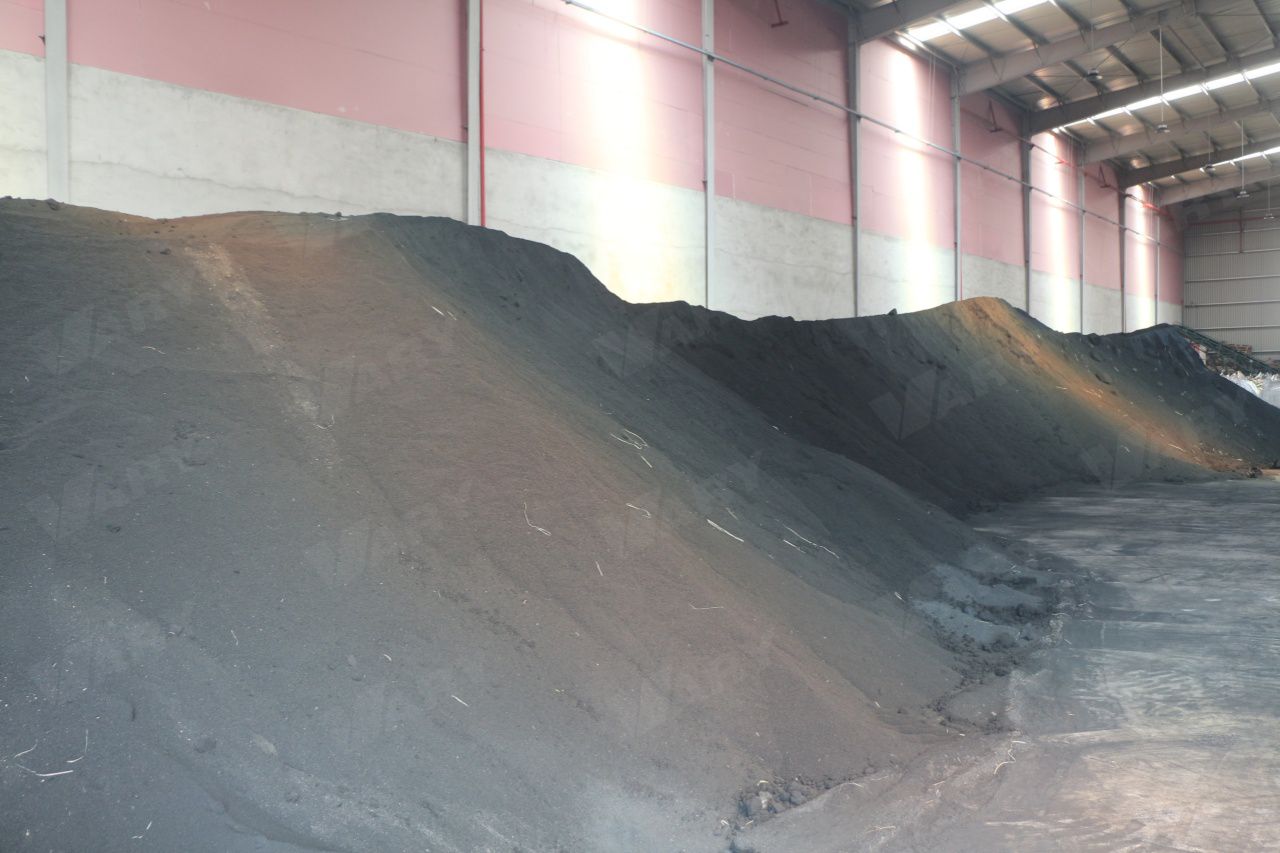
What you see is "black pollution" — tyre mountains that blight landscapes and leak toxins into soil and water. What you don't see is the carbon time bomb ticking beneath every pile. But that's changing.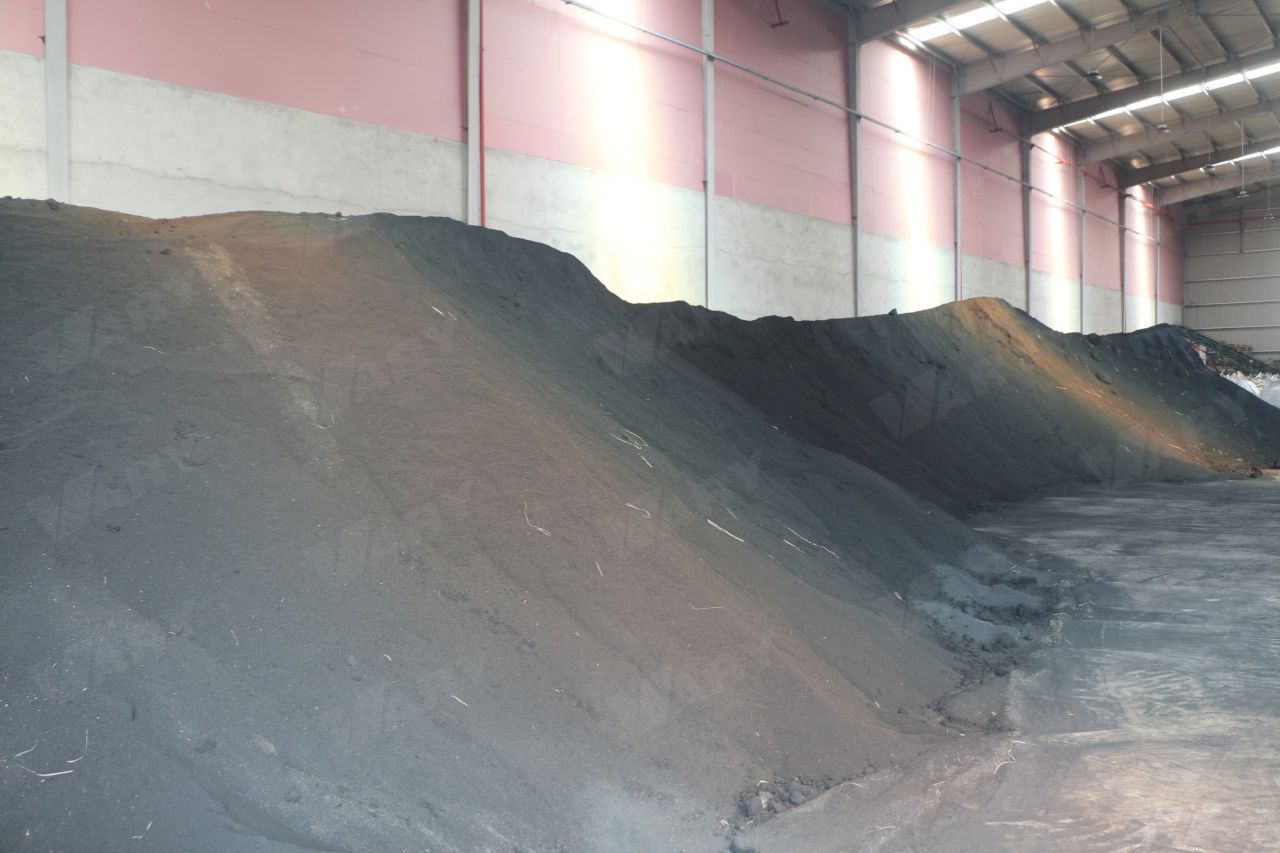
Enter pyrolysis — a thermochemical process that, in simple terms, cooks tyres in an oxygen-free environment. Instead of burning them, it breaks them down into their core components, recovering every usable molecule.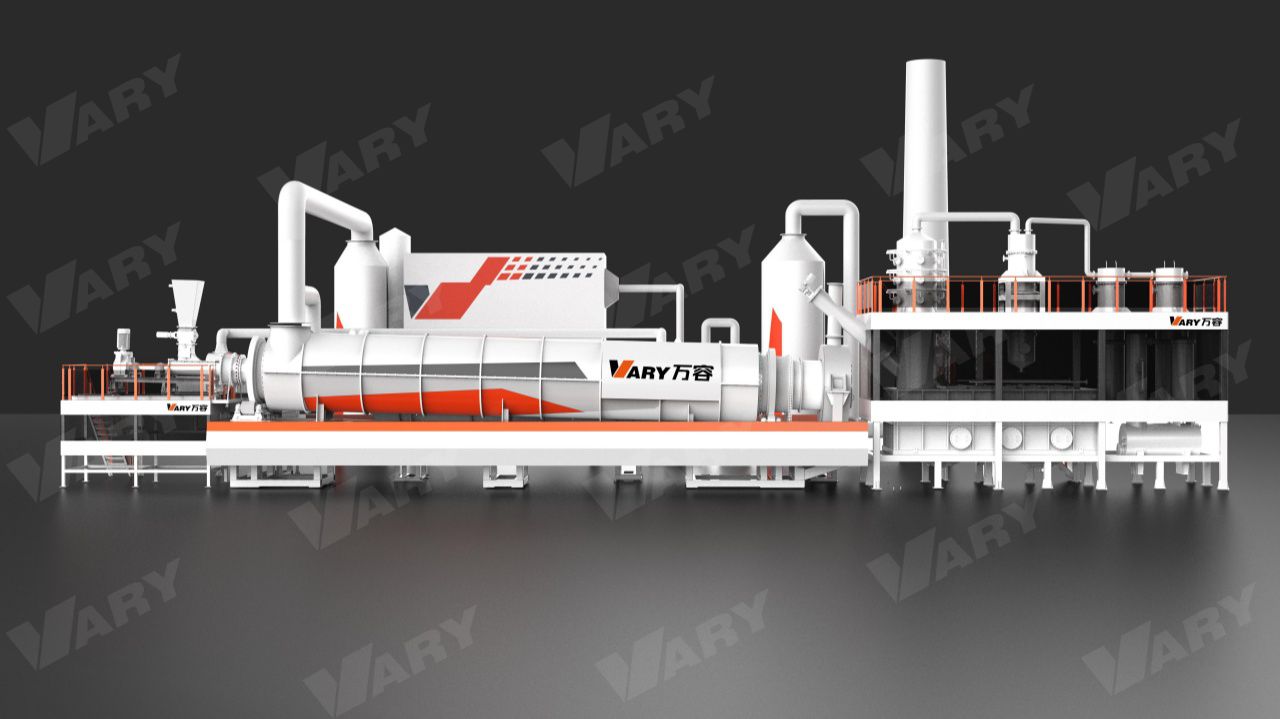
From one tonne of scrap tyres, pyrolysis delivers:
|
Product |
Yield |
Applications |
|
Pyrolysis oil |
40–45% |
Refinery feedstock; industrial fuel; diesel substitute; premium SAF feedstock |
|
Recovered Carbon Black (rCB) |
35–40% |
Reinforcing filler for rubber & plastics; pigment; fuel additive |
|
Steel wire |
10–15% |
Recycled steel feed |
|
Combustible gas |
10–12% |
Fuels the pyrolysis process itself — zero external energy needed |
The gas produced? It's captured and burned to power the system, creating a closed energy loop. Nothing is wasted. Nothing is burned for nothing.
|
Metric |
Pyrolysis Ranking |
|
Global Warming Potential |
Lowest (−1298 kg CO₂-eq/t) |
|
Resource Recovery Efficiency |
Highest (−60 eco-points/t) |
|
Economic Profitability |
Best (USD 133/t profit) |
A 100,000-tonne-per-year pyrolysis facility — once fully operational — cuts ~32,000 tonnes of CO₂ annually. That's equivalent to planting 170,000 mature trees.
Pyrolysis oil delivers calorific value comparable to diesel. Replacing one kilogram of conventional diesel with pyrolysis oil avoids 2.7–3.2 kg of CO₂. And as SAF (Sustainable Aviation Fuel) feedstock? The potential is huge.
Pyrolysis achieves carbon reduction through two powerful mechanisms:
rCB replaces virgin carbon black in new tyres and rubber goods — eliminating the upstream emissions from petroleum-based production
Pyrolysis oil displaces fossil fuels in industrial heating and transport
Recovered steel substitutes virgin steel, avoiding smelting emissions
The non-condensable gas produced during pyrolysis is captured and used to power the process itself.
10–12% gas yield per tonne of tyres
This is enough to meet 100% of the energy demand for the reaction
Result: pyrolysis plants can operate off-grid, with zero external fossil fuel input — dramatically lowering lifecycle emissions.
The numbers aren't theoretical. These projects are already delivering.
The UK's largest tyre recycler, Murfitts Industries, partnered with Michelin to invest GBP 14 million in a recycling plant inside Michelin's UK factory.
1.35 million passenger car tyres processed annually (~12,500 tonnes)
Generated energy directly powers the Michelin plant
1,500 tonnes CO₂ saved per year
Process steam replaces natural gas used in tyre vulcanisation
"This plant delivers a win-win for industry, the local economy, and the environment." — Founder, Murfitts Industries
Vary Tech's pyrolysis solutions are already in commercial operation across dozens of projects — from South Korea to Brazil.
Its Jiangxi green recycling facility processes 30,000 tonnes of scrap tyres per year, yielding:
10,500 t/yr — recovered carbon black
10,500 t/yr — pyrolysis oil
3,000 t/yr — steel wire
3,600 t/yr — non-condensable gas (used on-site)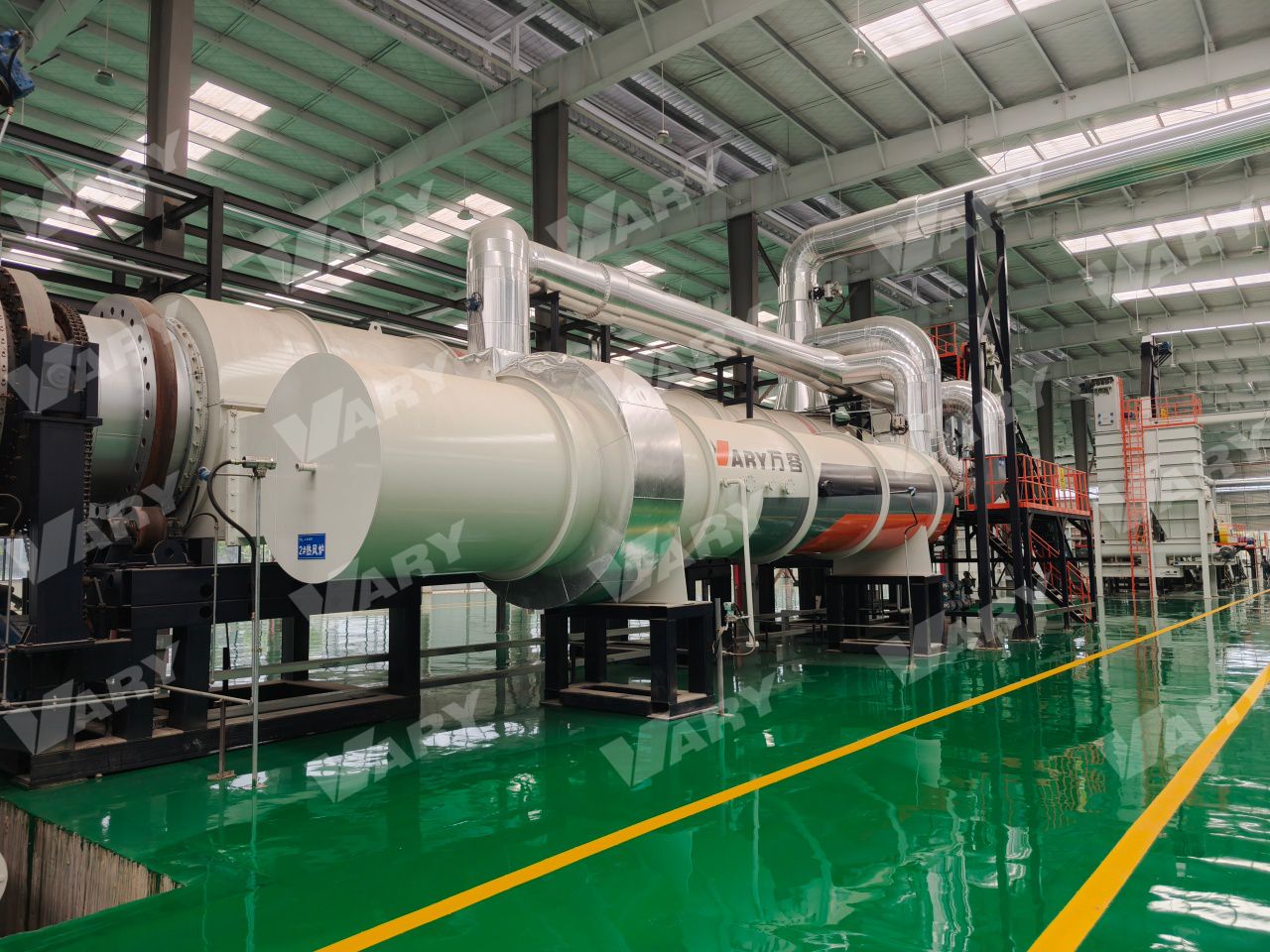
Under the EU Renewable Energy Directive (RED II), pyrolysis oil can qualify for "avoided emissions" credits — provided operators can prove they've prevented incineration emissions. That means:
Revenue from product sales
PLUS revenue from carbon credits
Two income streams from one process.
|
Source |
2024 Market Value |
2032/33 Forecast |
CAGR |
|
Grand View Research |
USD 141M |
USD 240M+ (China, 2032) |
6.6% |
|
Alternative estimate |
USD 2.25B |
USD 4.76B (2033) |
— |
China — the world's largest tyre producer — is projected to reach a tyre pyrolysis market of USD 240 million by 2032. The window is open.
Scrap tyres were once the poster child of "black pollution."
Not anymore.
1.1 tonnes of CO₂ avoided per tonne processed
80% carbon footprint reduction per tonne of rCB
Tens of thousands of tonnes saved per project, per year
This isn't just disposal. It's resource recovery. It's carbon abatement. And with carbon markets turning emissions into revenue, it's a business opportunity as much as an environmental one.
As one project operator put it: "We're not managing waste — we're mining value."
That's the circular economy in action. And it's a direct, measurable contribution to global carbon neutrality.
♻️ Ready to explore how pyrolysis can turn your tyre waste into a carbon asset?Let's talk.


