According to the latest data from 《Europe Biochar Market Summary》, the European biochar market is experiencing explosive growth. The projected output will reach 155,800 tons in 2025 and surge to 457,200 tons by 2030, with a compound annual growth rate (CAGR) of 24.03% during the period. Against this backdrop, the European Biochar Certificate (EBC) has become the "golden passport" for enterprises to enter the international high-end market.
Notably, EBC certification brings a significant price premium to products. Market data shows that the price of non-EBC certified biochar products is only about half of that of certified ones, meaning EBC certified products enjoy a price premium of approximately 100% in the market. This price gap fully reflects the important role of EBC certification in enhancing product value and market competitiveness.
Basic Overview of the EBC Certificate
The European Biochar Certificate (EBC) is a voluntary industry standard system developed by the Swiss Institute for Carbon Strategies and owned by Carbon Standards International. The certification and audit are conducted by the independent third-party certification body bio-inspecta AG and its partners. EBC’s core positioning is to ensure the sustainable production, standardized processing, and safe sales of biochar, providing transparent and verifiable quality assurance for manufacturers, distributors, and end-users. It is worth noting that in Switzerland, EBC has become a mandatory requirement for agricultural biochar, while it remains voluntary in other EU member states.
Core Values of EBC Certification
EBC certification brings four core values to enterprises:
Market Access Value:
Products with EBC certification can establish a high-quality image of "sustainability and low risk" in European and global markets. Survey data shows that 78% of large purchasers in Europe regard EBC certification as a necessary condition for supplier selection.
Carbon Credit Value:
Through EBC’s C-Sink carbon sink certification system, the carbon sequestration potential of biochar is quantitatively evaluated and certified. The latest 2024 data indicates that the carbon sink value of EBC-certified biochar ranges from 80 to 120 euros per ton.
Quality Assurance Value:
It establishes a complete set of quality indicators, significantly reducing the environmental and health risks of products.
Brand Enhancement Value:
The brand awareness of products from EBC-certified enterprises is 45% higher on average than that of non-certified enterprises.
EBC Certification Levels and Technical Requirements
EBC certification is divided into two levels: Basic Level and Premium Level.
Certification Levels
Basic Level:
Sets the minimum requirements for biochar production and quality. Raw materials must come from legal and renewable biomass; pyrolysis processes must meet basic temperature and control requirements; product quality must meet basic safety indicators; heavy metal and polycyclic aromatic hydrocarbon (PAH) contents must be below EU thresholds.
Premium Level:
Adds stricter standards on top of basic requirements, including more stringent emission limits during production, quantitative verification of carbon sink benefits, establishment of a sound product traceability system, and higher requirements for production energy consumption and environmental impact.
Raw Material and Process Standards
Raw Material Requirements:
Permitted raw materials include forestry residues, agricultural waste, dedicated energy crops, and other sustainable biomass. Chemically treated wood, municipal solid waste, and heavily polluted industrial by-products are explicitly prohibited.
Production Process Standards: Pyrolysis temperature must be maintained within a specified range to ensure sufficient pyrolysis while controlling pollutant generation. Emissions must comply with EU industrial emission standards, and energy recovery and comprehensive utilization are encouraged.
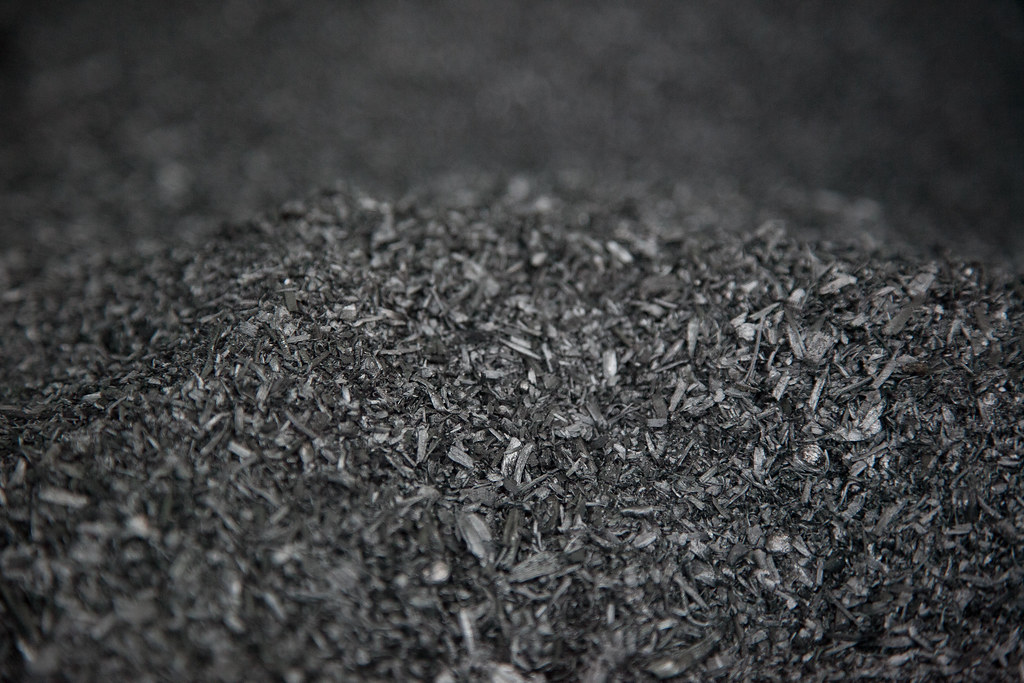
Take Vary Tech’s under-development large-scale biochar production line—the first of its kind in China—as an example. The production line mainly uses biomass raw materials such as corn cobs and bamboo to produce biochar. Equipped with an advanced flue gas purification system, it ensures that all emission indicators consistently meet standards, gaining full recognition and praise from the International Biomass Torrefaction and Carbonisation Council (IBTC).
Detailed EBC Certification Process
EBC certification consists of six key steps:
1.Preparation and Registration Stage:
Enterprises submit basic company information, production technology overview, and preliminary quality data on the official EBC platform. Document preparation usually takes 1-2 weeks.
2.Technical Pre-review Stage:
The certification body conducts a preliminary assessment of the production process via video or on-site inspection, formulating a detailed sampling plan and quality assurance scheme.
3.On-site Audit Stage:
Auditors from bio-inspecta AG conduct the first comprehensive on-site inspection, including verification of production equipment and processes, validation of raw material sources, and evaluation of quality control systems. This typically takes 2-3 working days.
4.Sample Testing and Analysis Stage:
Collected samples are sent to EBC-accredited laboratories for full-index testing, including physical indicators, elemental analysis, pollutant detection, and process parameter verification.
5.Certification Decision and Certificate Issuance Stage:
Based on on-site audit and test results, the certification body makes a certification decision. Enterprises that pass the audit will receive an EBC certificate valid for one year.
6.Continuous Supervision Stage:
Enterprises are required to accept annual audits to ensure ongoing compliance with standards. Each batch of biochar products must obtain a unique ID and QR code on the EBC platform, establishing a sound product traceability system.
Latest Developments of EBC and Application Suggestions
Since 2024, EBC has officially expanded into the field of C-Sink carbon sink certification, providing a standardized measurement, monitoring, and verification system for the carbon sequestration potential of biochar. EBC is establishing close upstream and downstream relationships with the World Biochar Certificate to promote the globalization of the standard system. The new generation of EBC traceability system has introduced blockchain technology, further enhancing the transparency and tamper-proof capability of product traceability data.
For enterprises preparing to apply for EBC certification, the following key aspects are recommended:
Pre-application Preparation:
Standardize raw material management and establish a sound raw material procurement and verification system. Optimize process parameters to ensure stability and controllability. Equip basic testing equipment or establish cooperation with accredited laboratories.
During Certification:
Select experienced consulting institutions for pre-guidance to ensure the representativeness and standardization of sampling. Conduct internal audits in advance to identify rectification items and set up a dedicated certification team to follow up the entire process.
The total cost of EBC certification typically ranges from 15,000 to 30,000 euros, depending on the enterprise scale and certification level. The entire certification cycle generally takes 3-6 months. Enterprises are advised to make advance resource and time planning.
The European Biochar Certificate (EBC) has become the quality benchmark and market passport of the global biochar industry. With the increasing prominence of carbon sink value and the continuous integration of the global market, the importance of EBC certification will further rise. For biochar manufacturers aspiring to enter the international high-end market, choosing biochar pyrolysis producers related to certification systems and laying out EBC certification as early as possible is not only a requirement for quality management but also a strategic choice to seize future market opportunities.


