Do you also have such "over-serviced" old home appliances at home? The old appliance stands quietly in the corner, seemingly functioning normally, but it may hide potential risks. We are used to checking the shelf life of food, yet we often overlook that home appliances also have a "service life". Is an old home appliance beyond its service life a "health hazard" that must be guarded against, or an "urban mineral resource" containing treasures? The answer lies in how we deal with it.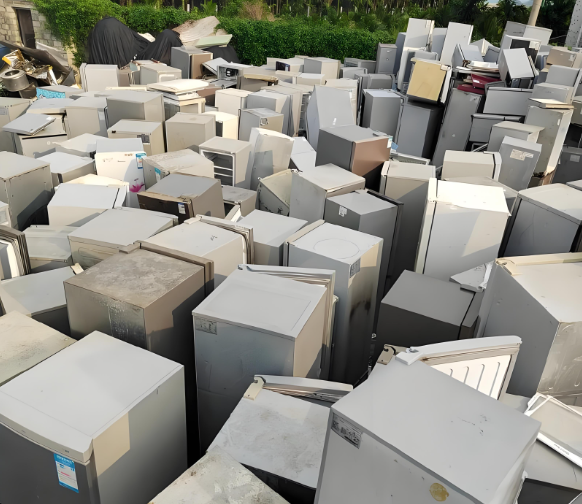
The "shelf life" of home appliances is not a legally mandated concept. Based on industry standards, it refers to the period during which the performance, safety, energy efficiency, and other aspects of a home appliance product may gradually decline under normal usage conditions until it no longer meets safety or usage standards. The China Household Electrical Appliances Association (CHEAA) has released the Series Standards for the Safe Service Life of Household Electrical Appliances, which clearly specifies the safe service life for various types of household appliances. For example, the safe service life of refrigerators and air conditioners is 10 years. The safe service life of major home appliances is as follows:
|
Type of Home Appliance |
Service Life |
Type of Home Appliance |
Service Life |
|
Refrigerator |
12 - 16 years |
Color TV |
8 - 10 years |
|
Computer |
6 years |
Washing Machine |
8 years |
|
Air Conditioner |
8 - 10 years |
Electric Water Heater |
8 years |
|
Vacuum Cleaner |
8 years |
Microwave Oven |
10 years |
|
Hair Dryer |
4 years |
Electric Fan |
10 years |
|
Gas Stove |
8 years |
Rice Cooker |
10 years |
When home appliances exceed their service life, they bring multiple hazards, mainly including potential safety risks, health threats, reduced energy efficiency, and rising economic costs. Specifically, they can be summarized as follows:
Old home appliances, due to aging circuits and degraded insulation performance, are prone to electric leakage, short circuits, and even fires or explosions (e.g., old TV sets, refrigerators). For some old home appliances (such as gas stoves), aging gas hoses may cause gas leakage and lead to safety accidents.
Home appliances used beyond their service life (such as air conditioners, refrigerators, and water heaters) see declining operating efficiency and sharply rising power consumption. Meanwhile, functions like refrigeration and heating deteriorate, failing to meet original performance standards and resulting in energy waste.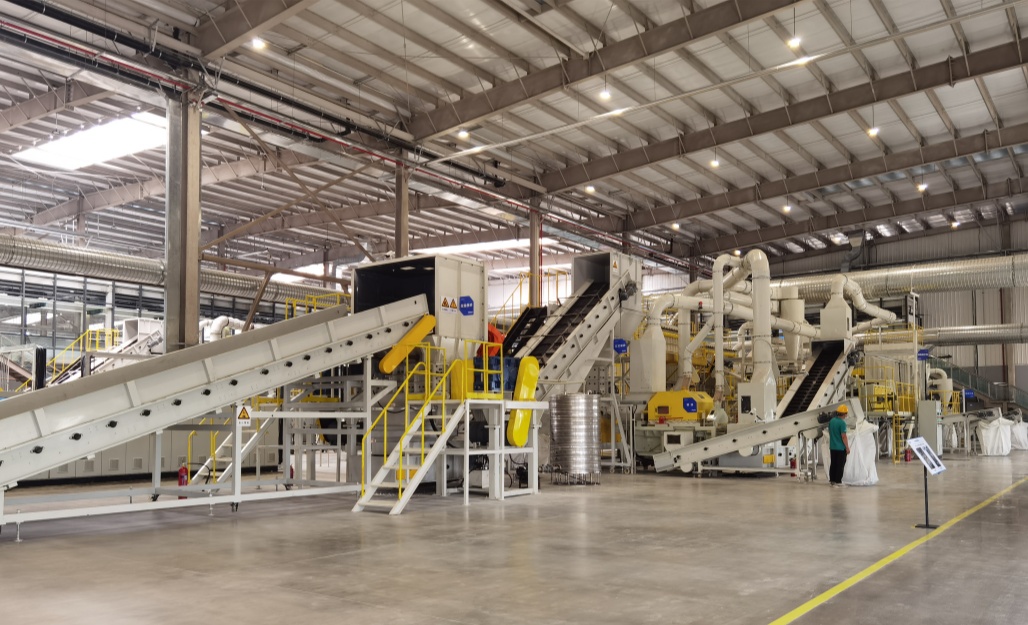
The performance of home appliances used beyond their service life degrades, and user experience also declines. After the service life of washing machines and air conditioners expires, noise and vibration increase, and functions of electronic touch interfaces, remote controls, etc., may fail. The body of washing machines may also become brittle and cracked, and water pipes may age, affecting normal use.
Many people think old home appliances "are useless once outdated", but this is not the case. If handled properly through formal home appliance recycling and dismantling, these old home appliances can instantly transform into precious "urban mineral resources" and realize value reconstruction.
Old home appliances with acceptable performance can enter the second-hand market after professional inspection, repair, and disinfection by formal manufacturers, and be sold at low prices to groups in need, such as newly graduated students and migrant workers. A repaired second-hand air conditioner costs only one-third of a new one, which not only meets the needs of low-income families but also avoids resource waste.
For home appliances that cannot be recycled as whole machines, if their core components (such as compressors, motors, and display screens) are in good condition, they can be dismantled as maintenance spare parts after professional inspection and reused to extend the service life of other equipment and reduce the production consumption of new parts.
For completely scrapped electrical appliances, standardized and technological dismantling is key. Take Vary Tech as an example. It adopts a multi-stage crushing and sorting combined process, which can efficiently separate various materials: the refrigerator dismantling line can handle up to 200 units per hour, with the sorting rate of copper and aluminum reaching over 97% and that of iron exceeding 99%. Plastics, copper, aluminum, iron, stainless steel, and even rare earths and other precious metals can all be fully recycled and reintroduced into the production cycle, greatly reducing dependence on primary minerals and creating huge economic and environmental benefits.
When home appliances lose the value of repair and parts utilization, do not discard them at will. If you take the easy way out and throw old home appliances into trash cans or sell them to unqualified peddlers, there are great hidden dangers. When peddlers dismantle waste home appliances, they often use simple and rough methods: breaking open casings with hammers, taking away valuable metals, and discarding remaining plastics and circuit boards at will. These circuit boards contain heavy metals such as lead, mercury, and cadmium. Once they seep into the ground, they will pollute soil and groundwater, and natural decomposition takes decades.
What is more worrying is that some old home appliances also hide safety risks. For example, if the refrigerant of old air conditioners is discharged randomly, it will damage the ozone layer; TV picture tubes contain lead glass, which may cause lead poisoning if broken. An individual dismantled an old refrigerator without permission, causing refrigerant leakage, and the pungent smell forced residents of the community to evacuate urgently — these seemingly "insignificant" old home appliances may become "environmental bombs" if handled improperly.
To avoid hazards and support environmental protection, please choose the following formal channels:
When purchasing new home appliances on e-commerce platforms (such as Taobao, JD.com) or in stores of global brands (such as Haier, Midea), participate in their "trade-in" activities. You can usually enjoy subsidies for new purchases and the service of on-site old machine removal.
Search for local qualified environmental dismantling enterprises via mobile phone maps or search engines and make an appointment for on-site recycling.
Pay attention to designated unified recycling sites or activities in your city and never throw waste home appliances into domestic waste at will.
Do not sell home appliances to unqualified individual recyclers — their disposal methods are often the source of environmental pollution.
The two faces of waste home appliances depend on our choice. By correctly understanding their hazards and actively choosing standardized recycling channels, each of us can contribute to a safe home and a green earth, truly turning "health killers" into "urban mineral resources".


