Waste Appliance Recycling and Dismantling: Evolution of China's Policies and Deep Comparison with Global Models
With the global stock of household appliances continuously rising and product replacement cycles shortening, massive amounts of Waste Electrical and Electronic Equipment ( WEEE / e-waste ) are emerging, forming an "urban mine" presenting both environmental challenges and significant resource value. Establishing efficient recycling and treatment policies for waste appliances is fundamental to addressing these challenges and unlocking the value of this urban mine. This article provides an in-depth analysis of China's rapidly developing waste appliance recycling and dismantling system, driven by policy, and conducts a comparative analysis with established international WEEE treatment models from the European Union ( EU ), Japan, and the United States. The aim is to offer insights for the development of a circular economy pathway for waste appliance recycling and dismantling.
The China Model: Evolution of the Waste Appliance Recycling and Dismantling System Driven by Policy
As the world's largest producer and consumer of household appliances, China's development of a waste appliance recycling and dismantling system clearly demonstrates a strategic trajectory transitioning from an initial reliance on "fiscal incentives" towards the more mature concept of "Extended Producer Responsibility" (EPR).
Phase 1 ( 2009 - 2010 ): The Foundational Era of Standardized Dismantling and Government Subsidies
2009 marked the inaugural year for the standardized development of China's waste appliance recycling and dismantling industry. Two pivotal policies were implemented simultaneously this year:
Regulations on the Management of the Recycling and Disposal of Waste Electrical and Electronic Products: This landmark regulation, for the first time at the national level, established manufacturers' obligations regarding recycling and treatment. The regulation also innovatively proposed establishing a special fund to support compliant recycling and treatment enterprises.
"Old-for-New" Appliance Replacement Program: This program utilized large-scale fiscal subsidies to directly stimulate consumer demand, channeling tens of millions of waste appliances from households into formal recycling channels.
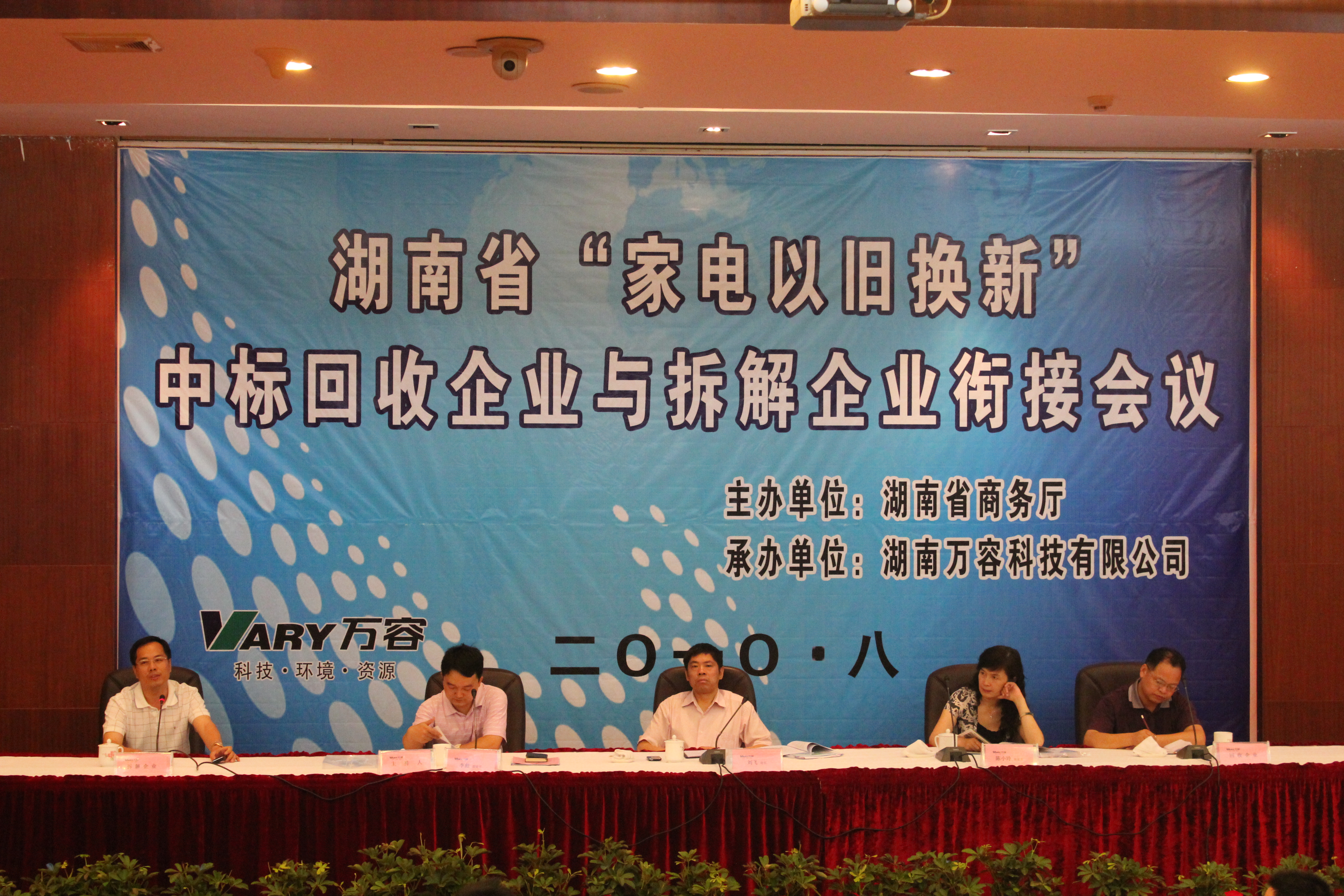
In 2010, the "First Catalogue of Waste Electrical and Electronic Products for Management" brought the most prevalent appliances, known as the "Four Appliances and One Computer" (televisions, refrigerators, washing machines, air conditioners, and computers), under standardized management. Also in 2010, Vary Tech, an industry pioneer, achieved a technological breakthrough by developing China's first environmentally sound treatment and resource recovery equipment for waste refrigerators. This innovation led to Vary Tech's designation as the official recycling and dismantling enterprise for pilot cities under the national "Old-for-New" program, setting a benchmark for the industry's technological advancement.
Phase 2 ( 2015 - 2016 ): Catalogue Expansion and Introduction of Extended Producer Responsibility ( EPR )
The waste appliance recycling system entered a phase of accelerated development. In 2015, the waste appliance recycling and treatment catalogue underwent its first expansion, adding nine new product categories including range hoods and electric water heaters.
A more profound transformation occurred in 2016 with the State Council issuing the "Implementation Plan for the Extended Producer Responsibility System" ( EPR ). This marked a significant turning point, signaling a policy shift compelling producers to take on broader responsibilities, including eco-design and the development of recycling infrastructure. The internationally advanced EPR concept was formally elevated to the level of national strategy.
Phase 3 (2021-2024): The Transition Period of Subsidy Reduction and Long-Term Mechanism Reshaping
To steer the industry towards market-oriented and sustainable development, policy underwent further adjustments:
2021: The fund subsidy standard was reduced by approximately 30% overall, pressuring dismantling enterprises to enhance operational efficiency and "self-sufficiency" capabilities through technological and managerial upgrades.
2024: The collection of the Waste Electrical and Electronic Products Treatment Fund officially ceased, marking the suspension of the producer fee mechanism operational for over a decade. The existing fund balance was repurposed into a "Special Fund" for more targeted support.
Amidst this transition, in 2024 the state promoted a new round of the "Old-for-New" Appliance Replacement Program. The strategic significance of this initiative during the suspension of producer fees is to ensure a continuous "source flow" for the recycling system by activating the consumer market, guaranteeing a smooth transition for the waste appliance recycling and dismantling industry.
Industry Challenge: The Persistent Threat of Informal Recycling and Dismantling
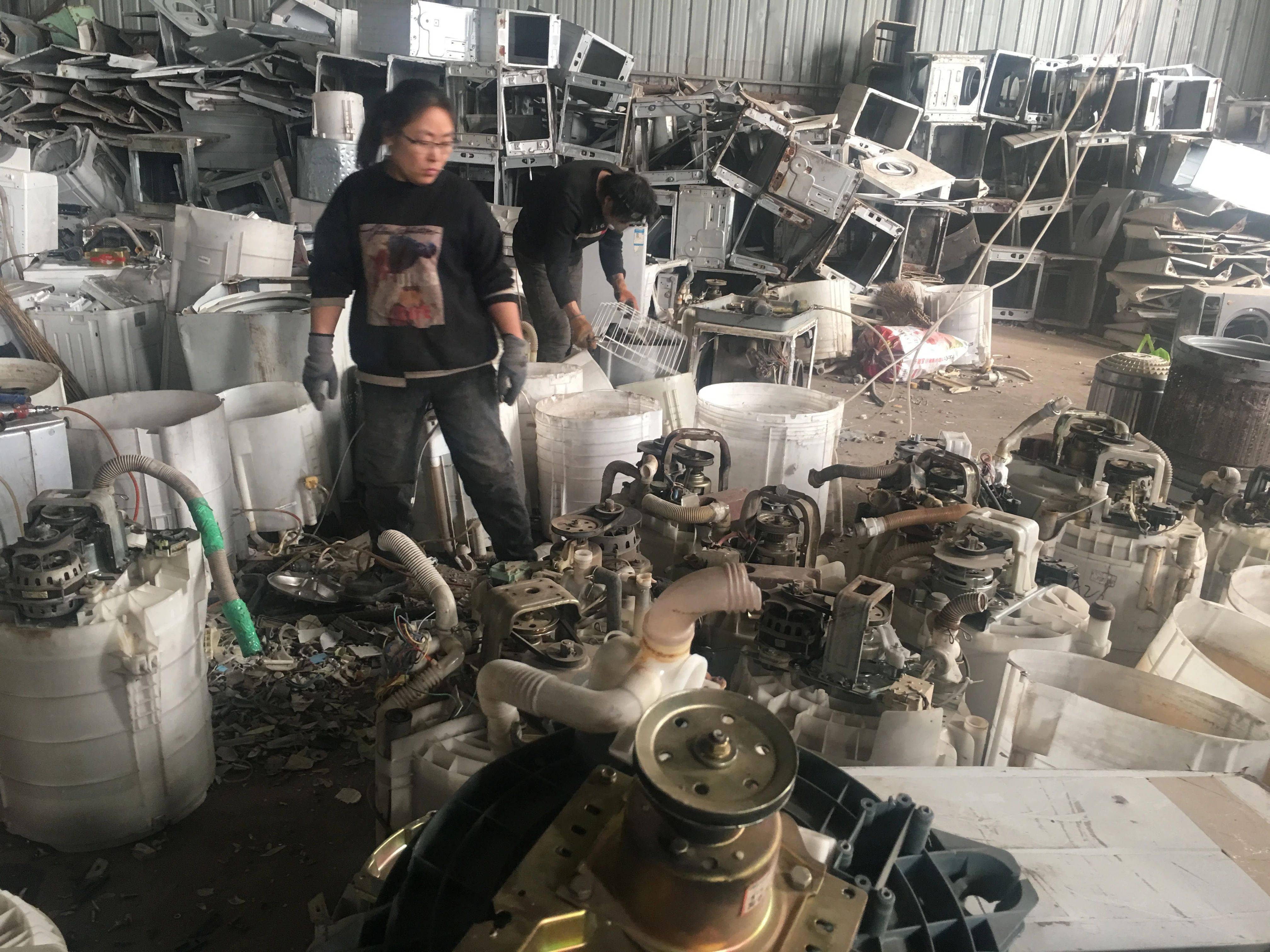
Despite a progressively refined policy framework, the industry faces substantial challenges. Statistics indicate over 50% of waste appliances still flow to unlicensed recycling workshops. These informal channels employ primitive methods like open-air burning and strong acid baths to extract precious metals, releasing exhaust gases and waste liquids containing highly toxic substances such as lead, mercury, and dioxins directly into the environment, causing irreversible pollution. During the subsidy reduction transition, strengthening environmental supervision, cracking down on illegal dismantling, and enhancing the cost competitiveness of formal enterprises represent critical issues future policies must address.
International Perspective: Comparison of Global Mainstream Waste Electrical and Electronic Equipment ( WEEE ) Recycling Models
Compared to China, many developed economies established mature recycling systems centered on Extended Producer Responsibility ( EPR ) much earlier.
The EU Model: Comprehensive Producer Responsibility under the Unified WEEE Directive
The European Union exemplifies the EPR system. The core is the Waste Electrical and Electronic Equipment Directive (WEEE Directive).
Core Mechanism: Producers must join Producer Responsibility Organizations (PROs). The PROs organize and finance national recycling and treatment activities on behalf of member companies.
German Practice: Germany's Electrical and Electronic Equipment Act (ElektroG) mandates that large retailers provide free take-back services for consumers. Particularly for small appliances with an edge length not exceeding 25 cm, retailers must accept them free of charge unconditionally, regardless of whether the consumer purchases a new product, significantly boosting collection rates.
The Japanese Model: A Shared Responsibility Framework Involving Consumers, Retailers, and Producers
Japan's Home Appliance Recycling Law establishes a unique model of shared societal responsibility, clearly allocating duties among three parties:
Consumers: Must pay a statutory recycling fee when discarding designated appliances.
Retailers: Obligated to collect old appliances and transport them to manufacturers.
Producers: Bear the ultimate responsibility for compliant, resource-oriented recycling and treatment.
Under this model, Japan achieves a notably high recycling rate of around 68% for major appliances.
The US Model: A "Patchwork" System of Federal and State Laws
The United States lacks a unified federal EPR law, resulting in a landscape of "state-by-state regulations".
Status: Over 25 states have enacted their own electronic waste recycling laws, featuring diverse models (e.g., producer funding, advanced recycling fees paid by consumers).
Challenge: The lack of uniformity creates complexity for businesses operating across multiple states but also provides a testing ground for different policy approaches.
The Korean Model: A Sophisticated Deposit Incentive System
South Korea established an effective deposit system for end-of-life appliances.
Operation: Producers pay an upfront deposit at the time of manufacturing. The government refunds this deposit once the product is successfully recycled and treated.
Incentive Effect: This system not only incentivizes producers to actively participate in recycling but also encourages "Design for Recycling" (DfR) at the source to reduce future costs.
Future Outlook: Integrated Innovation Towards a New Era of Global Appliance Circular Economy
The global waste appliance recycling and dismantling industry stands at a critical inflection point, moving from policy support towards being driven by market forces, technological innovation, and sustainability principles.
Policy Integration and Internalization of Responsibility
Future policy direction requires "walking on two legs": leveraging the strong execution capability demonstrated in the China model to rapidly build the backbone of a recycling system through effective top-level design, while also adopting the core of the international EPR model to truly internalize environmental responsibility into producers' market behavior. This approach drives green innovation across the entire industrial chain from the source.
Technological Revolution and Green Transformation in Dismantling
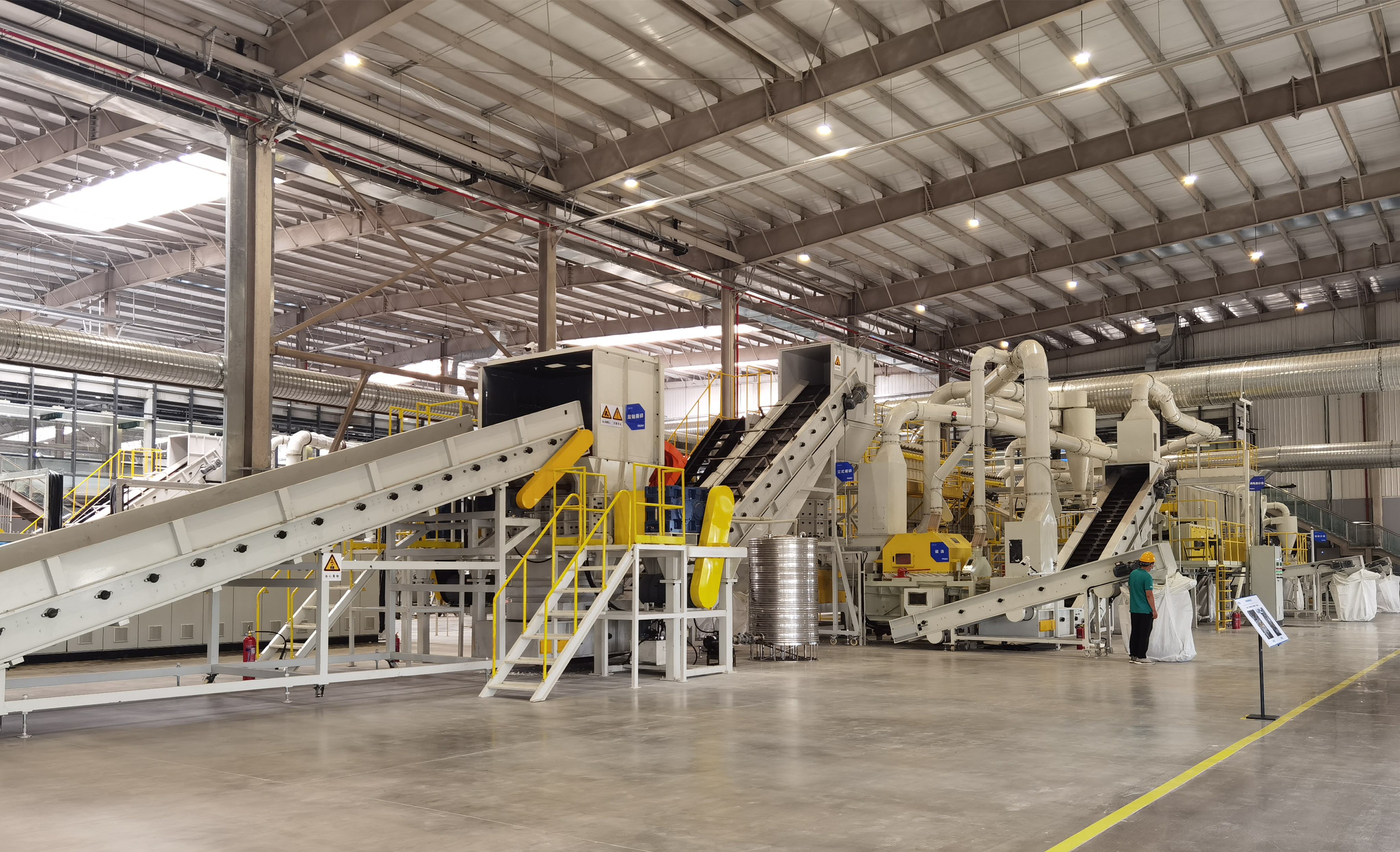
Technology serves as a powerful engine for unlocking the value of the "urban mine", propelling the waste appliance recycling and dismantling industry from crude dismantling towards intelligent, precise, and high-value utilization. On one hand, intelligent technologies represented by the Internet of Things (IoT), Artificial Intelligence (AI), and robotics are reshaping the entire recycling and treatment process, enabling precise identification, efficient sorting, and full traceability from collection to dismantling. On the other hand, this technological advancement ultimately serves the green transformation goals under the "Dual Carbon" (carbon peak and carbon neutrality) targets. Not only can high-value secondary resources be extracted to the maximum extent, but also, by integrating with the upstream manufacturing concept of "Design for Recycling" (DfR), the aim is to promote the "closed-loop application" of recycled materials in new products. This achieves energy saving and carbon reduction across the entire value chain.
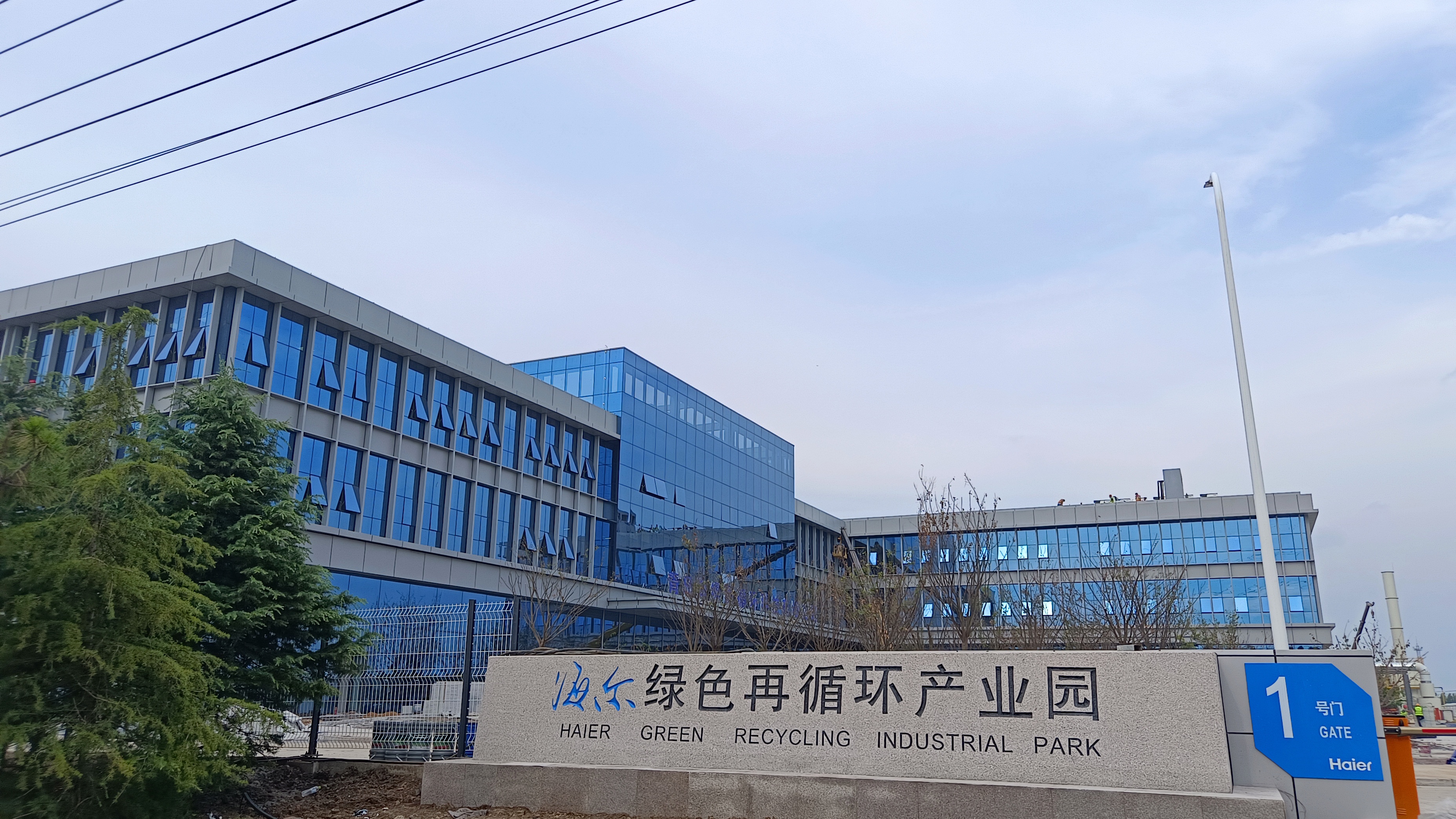
Facing complex policy environments and increasingly severe environmental challenges, selecting a professional partner is key to achieving efficient and compliant recycling and dismantling. Contact Vary Tech today to discover how industry-leading e-waste recycling and treatment system solutions can help seize opportunities in the wave of the circular economy and maximize the value of "urban mines".


