Discover how the Fang County closed-loop model and Vary Tech's flexible shredding and AI sorting technologies are transforming small household appliance recycling into a profitable, subsidy-free urban mine.
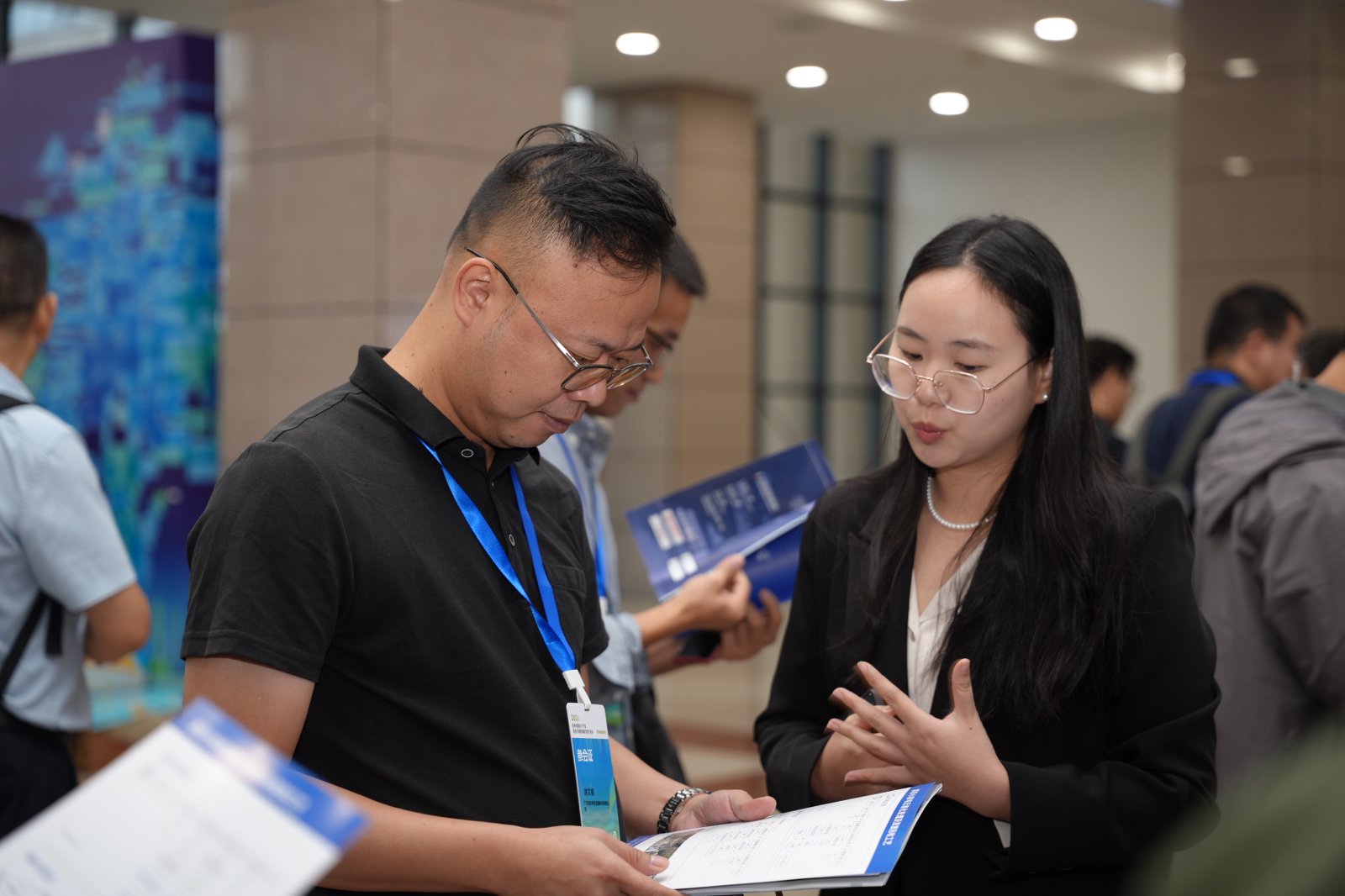
The 2026 Exchange Conference on Innovative Development of the Waste Electrical and Electronic Equipment (WEEE) Green Value Chain convened in Fang County, Shiyan City, Hubei Province. Experts, scholars and representatives from the waste electrical and electronic recycling sector—including the China Association of Resource Comprehensive Utilization, the Chinese Society for Environmental Sciences, and the Solid Waste and Chemicals Management Center of the Ministry of Ecology and Environment—gathered to discuss solid waste pollution prevention and zero-waste supply chain development for the 15th Five-Year Plan period.
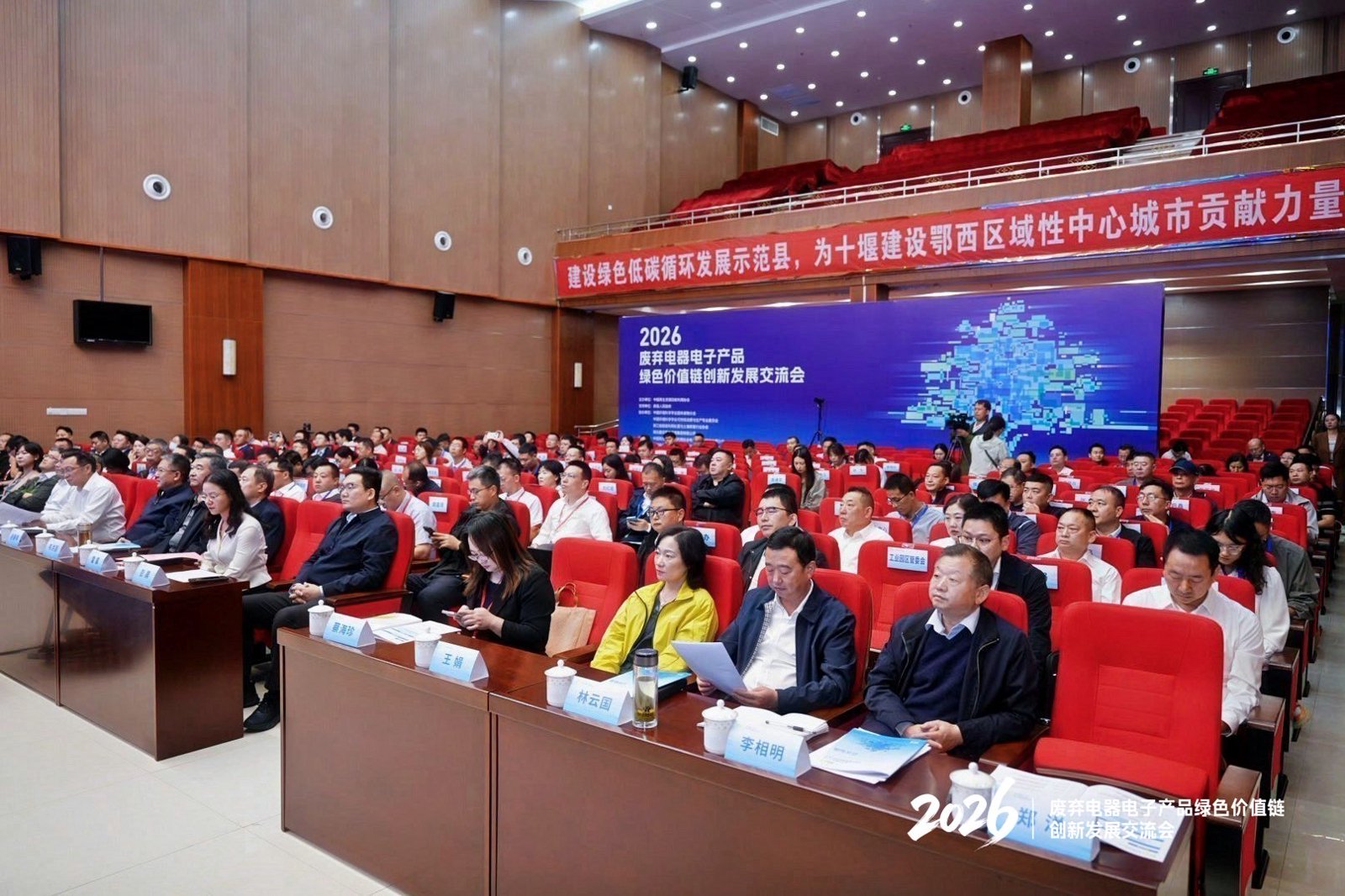
In Fang County, which boasts a forest coverage rate of 84.6% and a population of merely 460,000, waste home appliance recycling and dismantling contributes 80% of local industrial output. It serves as a vivid case of industrial transformation and restructuring for China's WEEE industry on the eve of the 15th Five-Year Plan.
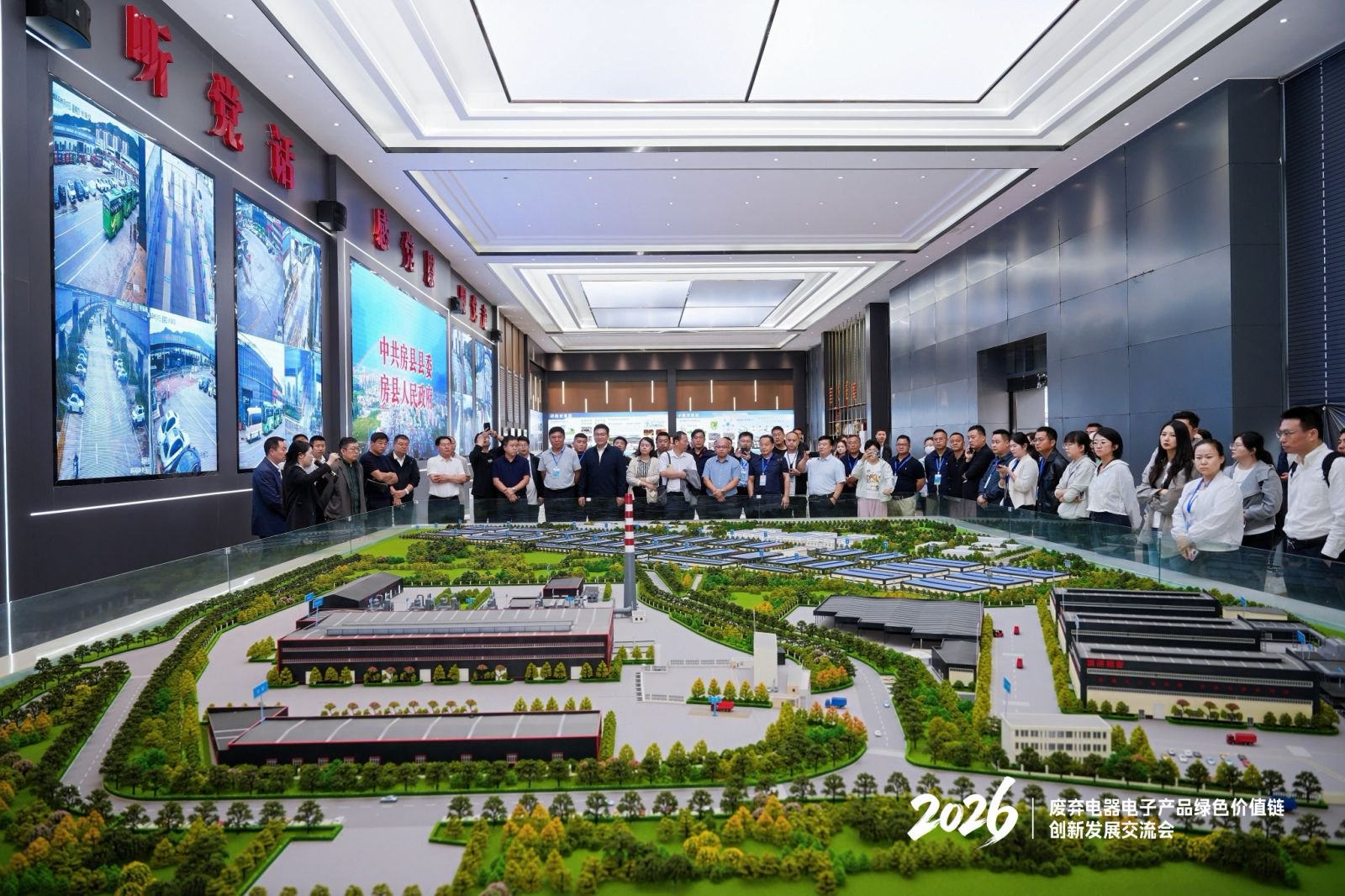
As WEEE recycling and treatment shifts from fund subsidies to "award in lieu of subsidy" mechanisms, industrial profitability is increasingly driven by market-oriented operations. The model innovation of "full-chain intensive processing in Fang County," coupled with technical empowerment delivered by Vary Tech's mechanical shredding-and-sorting technology, are jointly unlocking the trillion-dollar-scale "urban mine" market.
Changes in Product Mix: Pain Points and Opportunities in Small Household Appliance Recycling
An open secret prevails within the waste home appliance recycling industry: large appliances constitute a red-ocean market, while small household appliances remain an underserved desert market. Discarded air conditioners and refrigerators, featuring high copper-and-iron content and high unit value, are fiercely chased by itinerant waste collectors. By contrast, small household appliances such as old DVD players, set-top boxes, hair dryers, electric toothbrushes and rice cookers are frequently discarded casually by residents owing to their small dimensions, complex material composition and cumbersome dismantling procedures. Most of these units end up in landfills or incineration plants.
Nevertheless, such diverse small household appliance categories harbour enormous market potential. China's annual scrappage volume of small household appliances has exceeded 115 million units, accounting for more than 40% of the theoretical 289 million-unit total scrappage across all WEEE categories in 2024¹. Compared with the 3-to-5-year replacement cycle of conventional large home appliances, the replacement cycle of smart small household appliances has shortened to 1–3 years. Consumer upgrading and technological iteration have accelerated product obsolescence at an exponential rate. Meanwhile, centrally collected waste small household appliances deliver remarkable resource value. Certain precious-metal-rich smart small household appliances (e.g. one tonne of smart watches can yield approximately 200 grams of gold with resource-recovery value exceeding 100,000 RMB) possess extremely high development potential.
Yet to tap this "urban mine," the industry must overcome three practical bottlenecks. First, scattered collection channels and undefined accountability on the recycling side: merely 15% of small household appliance manufacturers have built proprietary recycling systems, making large-scale feedstock aggregation difficult. Second, complex material composition and low manual-operation efficiency on the dismantling side: dismantling one smart watch takes 15 minutes, whereas dismantling one refrigerator takes only 8 minutes. For most small household appliances with ordinary plastic housings, the resource-recovery value per tonne stands at only 800–1,200 RMB. High labour costs squeeze the profit margin of conventional dismantling operations below 5%. Third, absence of dedicated policy subsidies: small household appliances fall outside special-subsidy coverage. Amid the transition from fund subsidies to "award in lieu of subsidy" and shrinking quota allocations, small household appliance recycling must operate on a fully market-driven, self-funded basis. Reducing operating costs and upgrading recovered-product value via automated sorting holds the key to breaking the deadlock in the subsidy-free era.
The Fang County Model: Breakthrough via Full-Chain Industrial Loop Construction
Confronted with the challenges of "hard-to-recycle and low-profit" small household appliance recycling, Fang County in Hubei Province has delivered practical solutions after ten years of industrial development. On the collection front, over 5,300 recycling outlets across more than 20 provinces and municipalities nationwide aggregate nearly 40% of China's total small household appliance waste every year, generating an annual transaction volume exceeding 4.5 billion RMB and resolving the problem of scattered feedstock sources.
On the downstream processing side, Fang County has built a full-chain closed loop covering "recycling & dismantling — smelting & purification — intensive deep processing — end-product manufacturing" to boost profit margins. Five major industrial segments have taken shape: copper, aluminium, plastics, power batteries and electronic components. Seventeen regulated industrial enterprises with annual revenue above 20 million RMB each have been developed within the region. After upstream enterprises melt waste aluminium into aluminium ingots, finished ingots are directly transported by cranes "across factory walls" to neighbouring manufacturers for further deep processing. Such seamless connection eliminates intermediate transport and transshipment costs and lifts product added-value by 20%. The Fang County model proves that small household appliances can become high-return "urban mine" resources provided the industrial chain is extended and the closed-loop system is deepened.
Technological Innovation: Empowerment by Vary Tech's Flexible Shredding-and-Sorting Technology
If the Fang County model provides an efficient industrial carrier, automated technical equipment deployed at the front-end dismantling stage determines the operational efficiency and maximum profit potential of the entire system.
Targeting nearly one hundred types of waste small household appliances with diverse shapes and complex compositions, as well as high labour costs for manual dismantling, Vary Tech has innovated two core processing routes for "motor-equipped appliances" and "non-motor-equipped appliances," delivering high-efficiency solutions with a processing capacity of 5–8 tonnes per hour.
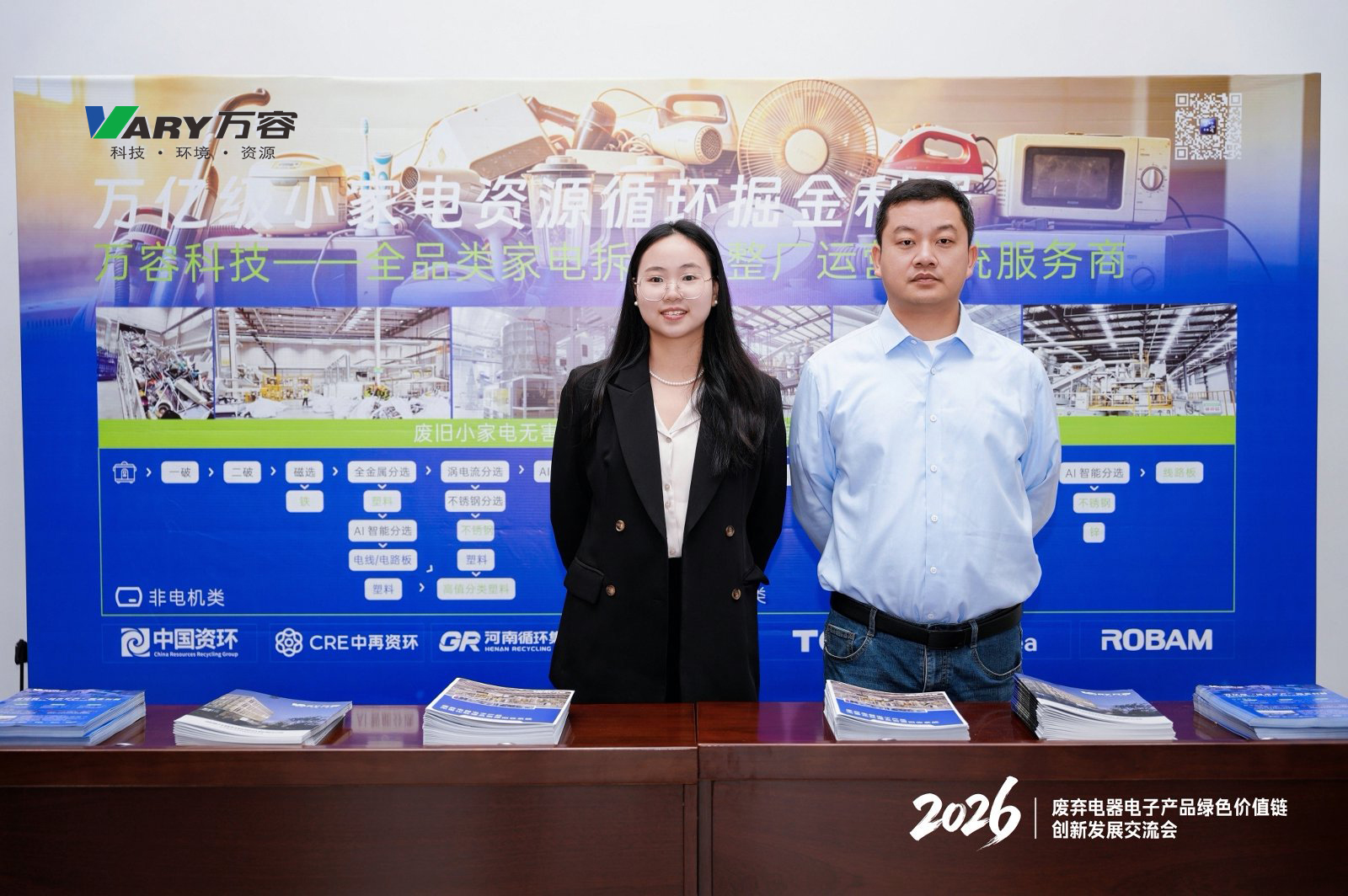
For motor-equipped small household appliances (e.g. juicers, vacuum cleaners, electric fans, electric shavers)—which are fitted with electric motors, fans or pump assemblies and contain abundant copper coils, silicon-steel sheets and engineering plastics—the process focuses on efficient separation of strong-magnetic materials and non-ferrous metals.
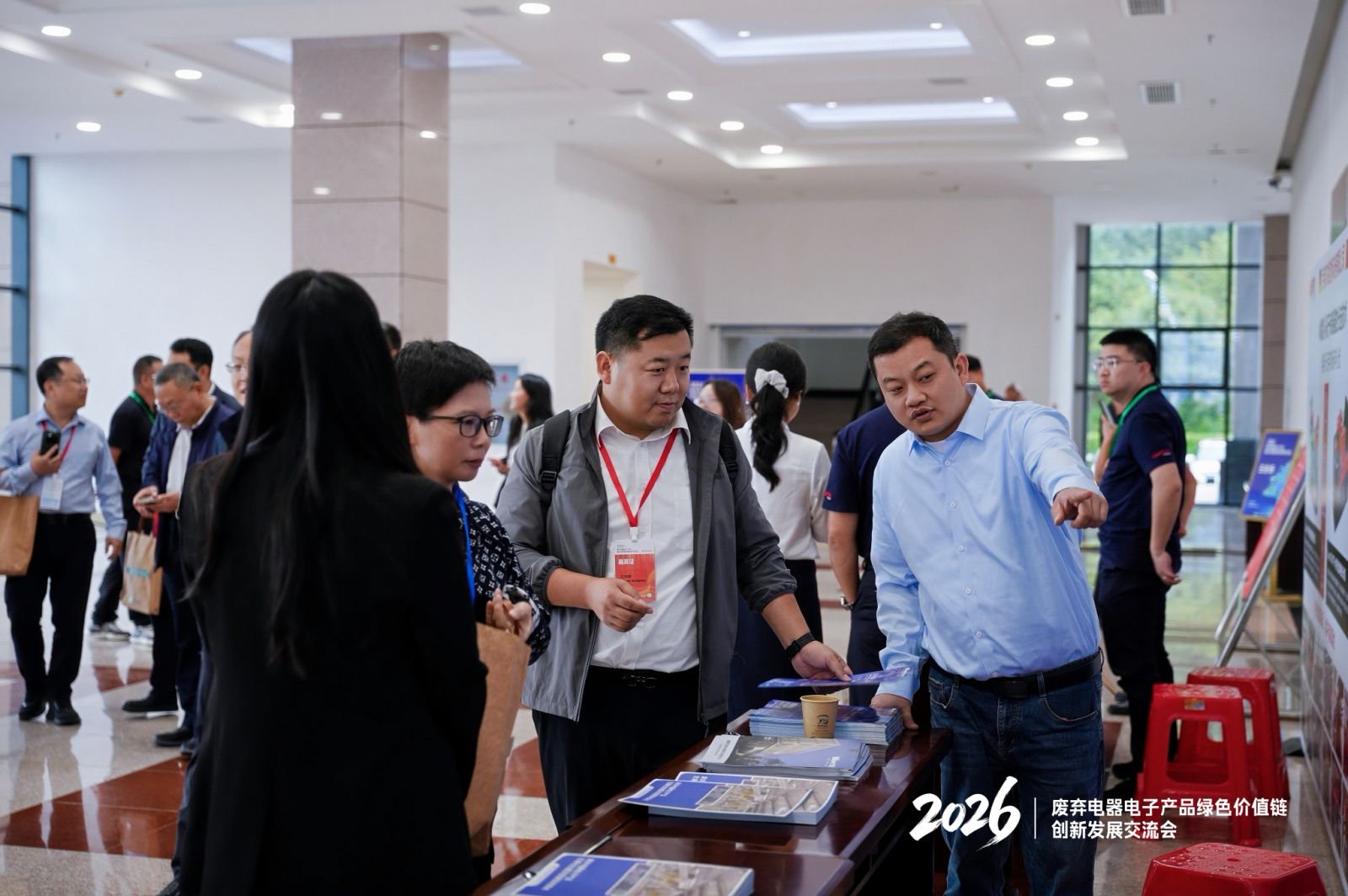
For non-motor-equipped small household appliances (e.g. set-top boxes, rice cookers, electric irons, fax machines) dominated by circuit boards, chips, heating elements or display panels and rich in precious-metal-bearing boards, aluminium heat sinks and stainless-steel inner liners, flexible shredding-and-dismantling is adopted to effectively prevent excessive pulverisation of circuit boards and consequent precious-metal losses.
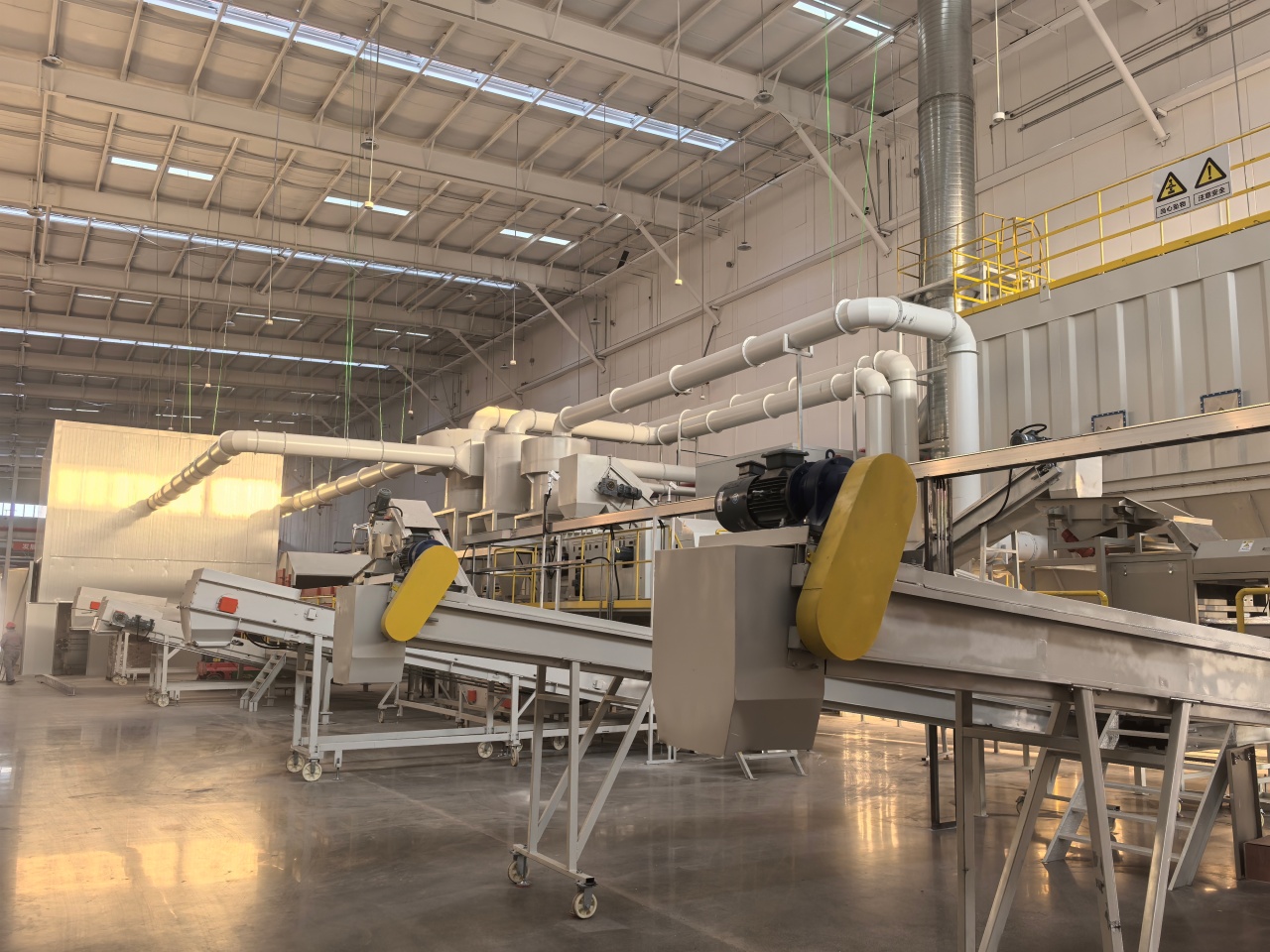
Built upon high-efficiency front-end shredding and sorting, Vary Tech integrates AI-powered intelligent sorting, supplemented by subsequent water-washing processes, to realise high-value classification of plastics, iron, stainless steel, copper, aluminium and zinc recovered from small household appliances.
This combined process of "categorised treatment + AI intelligent sorting + water washing" creatively addresses the widely recognised industrial bottleneck of sorting mixed copper-aluminium, aluminium-plastic and stainless-steel streams. Full-process automation and intelligence replace manual dismantling, driving high-value utilisation of waste small household appliances in the subsidy-free era.
Fang County's industrial practice, along with Vary Tech's technical breakthrough, provides a real-world reference case for green value-chain upgrading of the WEEE recycling industry. Faced with the dual constraints of industrial-cycle volatility and carbon-footprint traceability requirements, sustained technological innovation and industrial collaboration are essential for steady progress within the trillion-dollar "urban mine" blue-ocean market.
Data sources:
White Paper on China's Waste Electrical and Electronic Equipment Recycling and Treatment Industry (2024); GFK China Small Household Appliance Market Analysis (2023); industry research.

