Over one billion waste tyres are generated globally each year, and China alone accounts for tens of millions of tonnes annually. Waste tyres are composed of cross-linked rubber, carbon black, steel wire and various additives. They cannot degrade naturally, and their long-term stockpiling not only occupies vast land areas but also poses environmental and safety risks, including fire hazards and mosquito breeding. At the same time, waste tyres are a composite resource with high carbon content and high calorific value—the rubber, carbon black and steel wire they contain all hold significant recycling and utilization value. According to data previously cited by China's National Development and Reform Commission, over 20 million tonnes of waste tyres are replaced every year in the country.
Pyrolysis technology cracks the rubber macromolecules in waste tyres under oxygen-free conditions, converting them into Tyre Pyrolysis Oil (TPO), Recovered Carbon Black (rCB), steel wire and non-condensable gases (NCG). This process enables the recovery and reuse of most organic and inorganic resources contained in waste tyres.
For investors and industry practitioners, however, the core questions have never been "whether pyrolysis is technically feasible", but rather: who will buy the products, what price will they fetch, and what market and technical barriers must be overcome?
This article moves beyond broad environmental rhetoric and systematically unpacks the commercialization pathways for the major products of waste tyre pyrolysis—from TPO's upgrading as industrial fuel, petrochemical feedstock and high-value chemical raw material, to rCB's re-entry into rubber and tyre supply chains, steel wire's flow into scrap recycling systems, and NCG's internal reuse for process heating. The result is a complete value map for waste tyre pyrolysis products.
What Products Come Out of Waste Tyre Pyrolysis? Yields of the Three Core Products and Key Influencing Factors
Waste tyre pyrolysis is typically carried out at several hundred degrees Celsius in an oxygen-free environment. As the temperature rises, the macromolecular chains in rubber crack to form gaseous hydrocarbons. A portion of these hydrocarbons condenses into liquid pyrolysis oil; the fraction that does not condense remains as combustible non-condensable gases. The carbon black, inorganic fillers and certain carbonaceous substances formed during the reaction stay in the solid phase and are subsequently separated from the steel wire.
Based on typical industrial operating data, waste tyre pyrolysis products generally include:
- Tyre Pyrolysis Oil (TPO): approximately 40%–45% by mass
- Solid carbonaceous products: approximately 30%–35% by mass
- Steel wire: approximately 10%–15% by mass
- Remaining components: mainly NCG, plus small amounts of moisture and process losses
The exact proportions are not fixed. They vary with the ratio of passenger car tyres to truck/bus tyres, the natural-to-synthetic rubber composition, steel wire content, final pyrolysis temperature, heating rate, gas-phase residence time and the extent of secondary cracking.
Compared with batch pyrolysis equipment, continuous systems achieve more stable control over temperature, feedstock residence time and gas-phase residence time. Under large-scale production, continuous processes are therefore better suited to maintaining consistent yields and product quality across batches.
Where Can Tyre Pyrolysis Oil (TPO) Be Sold? Five Application Pathways from Fuel to Chemical Feedstock
Tyre Pyrolysis Oil (TPO) is the primary liquid product from waste tyre pyrolysis, typically accounting for about 40% of the feedstock mass. It is generally dark brown to black and is a complex hydrocarbon mixture containing aromatics, olefins, naphthenes, sulfur compounds and nitrogen compounds. Tyre Pyrolysis Oil (TPO) has a high calorific value, but compared with standard fuel oil or conventional refinery feedstocks, it often presents issues with sulfur, nitrogen, colloids, storage stability and trace metals.
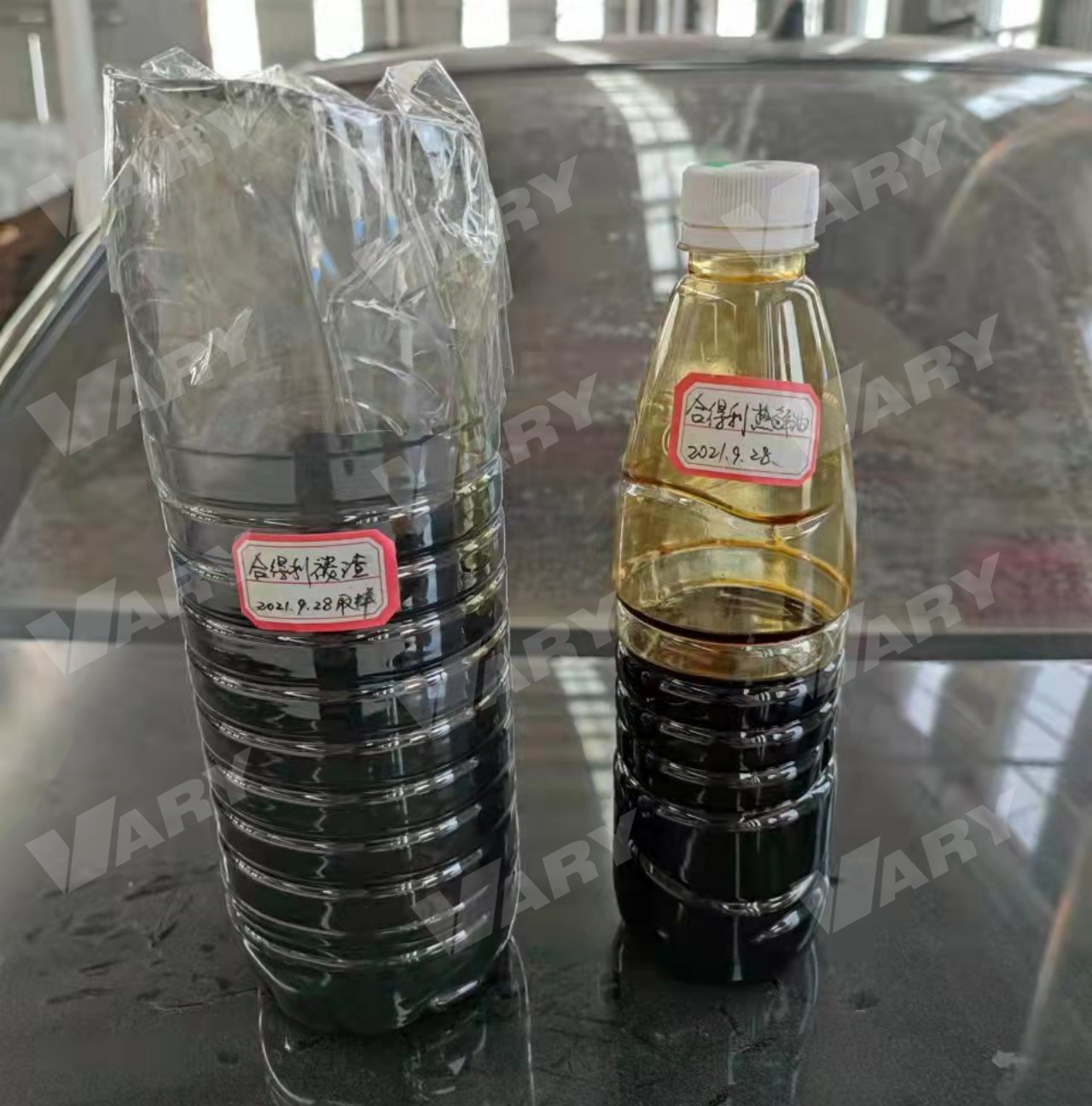
The real commercial value of Tyre Pyrolysis Oil (TPO), therefore, is not determined by output volume alone, but by the highest market tier it can ultimately access.
Tier 1: Use as Industrial Fuel Oil
After treatment such as settling, filtration and dehydration, Tyre Pyrolysis Oil (TPO) can be used for heat generation in industrial kilns and boilers, provided it meets local fuel quality and emission standards. This is the most basic commercialization route, with the lowest technical barriers. Its advantages are simple post-treatment and rapid market entry. The drawbacks are equally clear—products are priced largely by calorific value, leaving limited room for value upgrading, and tightening environmental regulations on sulfur content, particulates, VOCs and flue gas treatment are becoming major constraints.
For modern large-scale pyrolysis projects, therefore, "burning the oil as fuel" is better viewed as a baseline absorption pathway rather than the highest-value destination.
Tier 2: Circular Carbon Feedstock for Refining and Petrochemical Systems
This is one of the most promising recent developments for Tyre Pyrolysis Oil (TPO). After dehydration, solids removal, metal reduction and other pretreatment steps, and after passing refinery adaptability assessments, certain Tyre Pyrolysis Oil (TPO) grades can be used as circular carbon feedstock in refining or petrochemical production, co-processed alongside conventional fossil feedstocks.
A critical point must be stressed here: Tyre Pyrolysis Oil (TPO) cannot simply be blended into crude oil at a fixed ratio for co-refining. Different refineries have different tolerance limits for sulfur, nitrogen, chlorine, metals, colloids, carbon residue, boiling range and stability. The applicable processing unit and maximum blending ratio must be verified case by case, based on Tyre Pyrolysis Oil (TPO) properties and refinery process conditions.
Industrial-scale practices have already emerged. BASF has introduced Tyre Pyrolysis Oil (TPO) into its integrated production system as circular chemical feedstock. OMV also disclosed that it processed and sold tyre-derived Tyre Pyrolysis Oil (TPO) for the first time in 2024. Over the long term, one of the most valuable directions for Tyre Pyrolysis Oil (TPO) is its upgrade from traditional "fuel oil" to circular carbon feedstock for refining and chemical production.
Tier 3: Fractionation and Refining to Produce High-Value Chemicals
Tyre Pyrolysis Oil (TPO) contains abundant aromatics and unsaturated hydrocarbons. Through fractionation, solvent extraction, hydrotreating and other refining processes, it can yield distillates or chemical fractions with distinct boiling ranges, such as:
Aromatic fractions rich in benzene, toluene and xylene
Light solvent oil fractions
Heavy aromatic-rich distillates
Specialty chemicals such as limonene, which can reach high concentrations under certain conditions.
It must be clearly understood, however, that the presence of a compound in Tyre Pyrolysis Oil (TPO) does not automatically make its extraction economically viable. The feasibility of recovery depends on concentration, achievable purity, distillation energy consumption, capital investment and market size.
At present, the more industrially significant approach is to use whole Tyre Pyrolysis Oil (TPO) as a unified circular carbon feedstock for conversion into olefins, aromatics and synthetic rubber raw materials. For example, Bridgestone and ENEOS are jointly developing technology to convert Tyre Pyrolysis Oil (TPO) into butadiene and other tyre-making monomers, exploring a genuine "tyre-to-tyre" closed loop.
Tier 4: Deep Refining for Transportation or Stationary Power Fuel Components
Through hydrodesulfurization, denitrification, stabilization, fractionation and catalytic reforming, Tyre Pyrolysis Oil (TPO) can be upgraded into intermediate distillates with substantially improved properties. Further research is underway on using such distillates as blending components for diesel or other power fuels.
A clear distinction must be drawn: raw, untreated Tyre Pyrolysis Oil (TPO) is not diesel fuel. Only after full refining, and only when the final product meets applicable fuel quality standards, engine compatibility requirements and local regulations, can it be used in transportation or stationary power applications. This pathway extends the project scope well beyond pyrolysis into petroleum refining and fuel upgrading, with significantly higher capital expenditure, hydrogen consumption and operational complexity.
Tier 5: Aviation Fuel Development—Research Potential, but Not Synonymous with SAF
Aviation fuel is a high-value direction worth watching for Tyre Pyrolysis Oil (TPO), but two concepts must be distinguished: the technical ability to produce kerosene-range hydrocarbons, and certification as Sustainable Aviation Fuel (SAF). Through deep hydrotreating, cracking, isomerization and boiling-range adjustment, Tyre Pyrolysis Oil (TPO) can technically be converted into jet-range hydrocarbons.
However, as of today, all SAF pathways approved under ASTM D7566 impose strict requirements on production processes and feedstocks. Waste tyre-derived Tyre Pyrolysis Oil (TPO) itself is not an independently approved ASTM D7566 pathway, nor can it simply adopt the HEFA route designed for lipid feedstocks. The list of SAF conversion pathways published by ICAO likewise does not include ordinary waste tyre-derived Tyre Pyrolysis Oil (TPO) as a certified route.
Furthermore, waste tyres contain both bio-based natural rubber and fossil-derived synthetic rubber, so the carbon in Tyre Pyrolysis Oil (TPO) includes both biogenic and fossil fractions. Even if a product meeting all aviation fuel performance specifications were produced, its qualification as SAF and its calculable lifecycle carbon reductions would still depend on feedstock carbon attribution, certification systems, life-cycle assessment standards and specific approved pathways.
The accurate conclusion is this: Tyre Pyrolysis Oil (TPO) has technical potential for further development into aviation fuel components and low-carbon aviation feedstocks, but a standardized, large-scale commercial SAF route based on Tyre Pyrolysis Oil (TPO) still requires substantial process development, ASTM pathway certification and carbon attribution validation.
This does not diminish Tyre Pyrolysis Oil (TPO)'s value. On the contrary—from industrial fuel to refinery feedstock, circular chemical raw material and future high-end transportation fuels, Tyre Pyrolysis Oil (TPO) retains enormous upside potential. The key is to match pretreatment, fractionation and deep refining processes to target-market quality requirements, enabling this "black crude oil" from waste tyres to enter higher-value industrial chains.
Can Recovered Carbon Black (rCB) Replace Virgin Carbon Black? Upgrading Processing and Application Matching Are the Keys
The solid products from waste tyre pyrolysis consist mainly of the original industrial carbon black formulated into the tyres, carbonaceous deposits formed during pyrolysis, and inorganic components such as silica and zinc oxide. Strictly speaking, the solid material directly discharged from the pyrolysis furnace is more accurately termed "crude pyrolytic carbon" or "raw pyrolysis solids." Only after steel removal, grinding, granulation, deashing and comprehensive quality control can it be upgraded into commercial-grade Recovered Carbon Black (rCB).
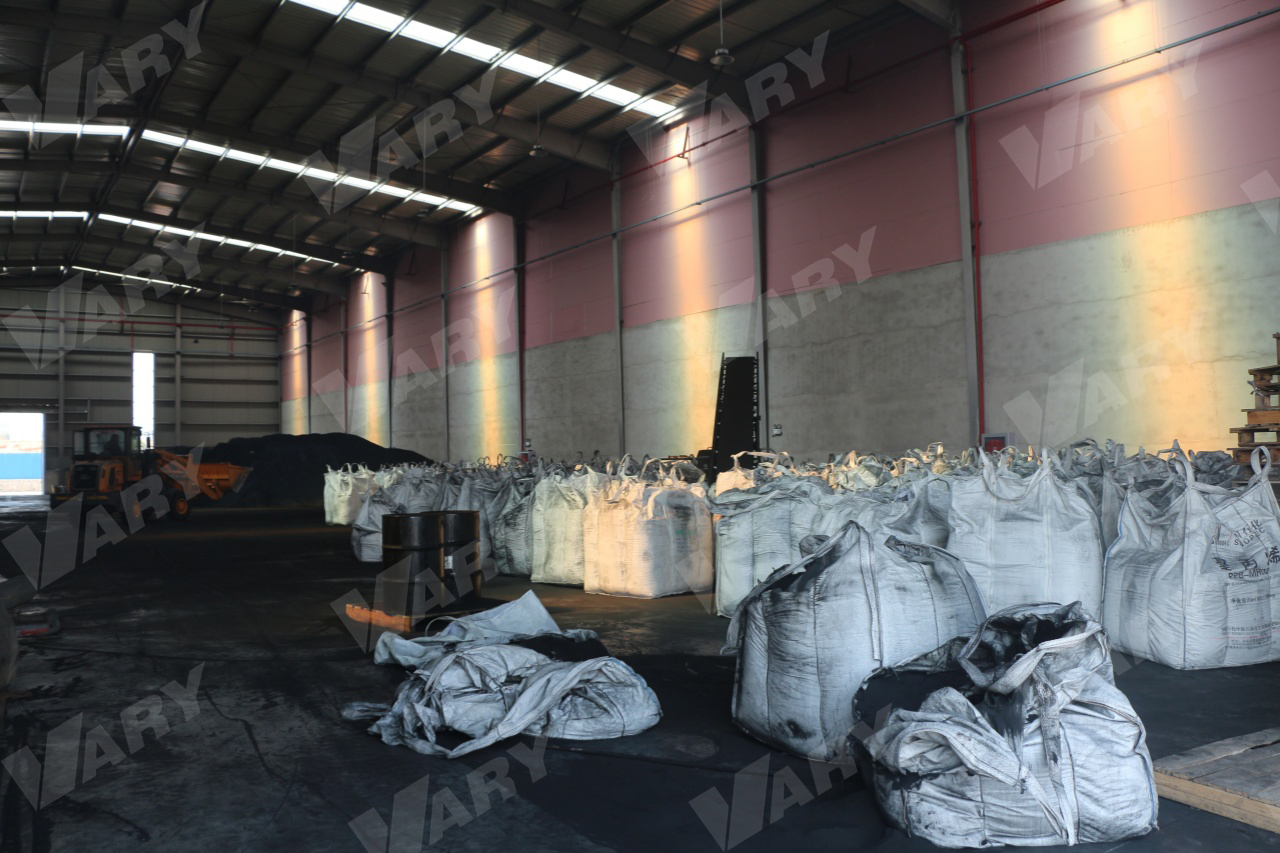
Compared with virgin carbon black, untreated crude pyrolytic carbon typically has higher ash content, different surface activity and reinforcing performance, and a more complex impurity profile. It cannot simply be cross-referenced one-to-one with virgin grades such as N330, N550 or N660. In fact, the global tyre industry is converging on a more accurate view: rCB is not merely a "recycled substitute" for N550 or N660, but a new category of circular carbon filler that requires independent evaluation and tailored compound formulation. Continental explicitly stated in its 2026 technical communications that rCB should not be equated with conventional virgin carbon black, but rather treated as a new filler class.
Tier 1: High-Value Closed-Loop—Tyres and Rubber Products
This is the most important and strategically valuable application for rCB. After magnetic iron removal, grinding, granulation and quality stabilization, high-quality rCB can be used in:
The achievable substitution ratio for virgin carbon black depends on rCB quality and the rubber compound's requirements for tensile strength, abrasion resistance, hysteresis loss and dynamic properties. There is no universal substitution ratio applicable to all formulations.
Global tyre manufacturers are already moving to practical applications. Continental has used tyre-derived rCB in solid tyres and signed a long-term supply agreement with Pyrum to further develop rCB use in passenger tyres. Bridgestone is also advancing rCB performance-enhancement technologies, aiming to bring upgraded circular rCB progressively closer to virgin carbon black in reinforcing performance.
This marks a fundamental shift in the industrial logic of waste tyre pyrolysis—from the old linear chain:
Waste Tyre → Pyrolysis → Crude Carbon → Low-End Products
to a genuine closed-loop value chain:
Waste Tyre → Pyrolysis → rCB → New Tyres
Tier 2: Plastics, Coatings and Functional Carbon Materials
rCB grades that do not require high reinforcing performance can enter plastics, coatings and other functional material markets. In plastics such as PE and PP, appropriately processed rCB can be used in black masterbatch or filling modification, providing colouring, light shielding and some UV protection. In coatings and inks, it can be applied according to particle size, tinting strength and impurity levels.
Further purification, activation or high-temperature treatment opens up research potential for upgrading rCB to conductive materials or functional fillers. A cautionary note, however: direct application of waste tyre-derived rCB in high-end conductive materials such as lithium-ion battery anodes is not yet a mainstream commercial pathway. Battery materials impose far stricter requirements on purity, metallic impurities, ash content, conductivity and structural uniformity than rubber fillers, necessitating additional deep purification and modification. This should therefore be regarded as a forward-looking R&D direction, not a readily accessible market for standard rCB projects.
Tier 3: Low-Grade Colorants, Asphalt and Metallurgical Carbon Sources
rCB with high ash content, weak reinforcing performance or impurities that fail to meet high-end specifications can still find outlets in less demanding applications, such as:
-
Certain industrial coatings and low-grade colorants
-
Asphalt and road construction materials
-
Carbon sources or auxiliary additives in metallurgical processes
These pathways still deliver resource-recycling value, though unit revenues are generally lower than those in tyre and high-performance rubber markets.
For waste tyre pyrolysis projects, therefore, the commercial value of the carbon product is not determined by whether solid carbon is produced, but by whether crude pyrolytic carbon can be stably upgraded into commercial-grade rCB that consistently meets customer specifications. This requires a complete, integrated system covering feedstock management, pyrolysis process control, impurity removal, grinding, granulation, deashing, quality inspection and downstream formulation verification.
From an industry-trend perspective, rCB is becoming a key focus of global tyre circularity. In 2026, BASF, Pirelli, Pyrum and Synthos further strengthened their cooperation frameworks for waste tyre pyrolysis and circular feedstocks, with upgraded rCB being reintroduced into new tyre production.
What Is Pyrolysis Steel Wire Worth? Quality Determines the Final Price
The steel components in waste tyres consist mainly of bead wire and steel cord. During pyrolysis, the process temperature remains far below the melting point of steel, so the wire retains its solid form. After pyrolysis, the steel wire is separated from carbonaceous residues by screening, magnetic separation and mechanical cleaning, then compacted or baled for entry into the scrap steel recycling system.
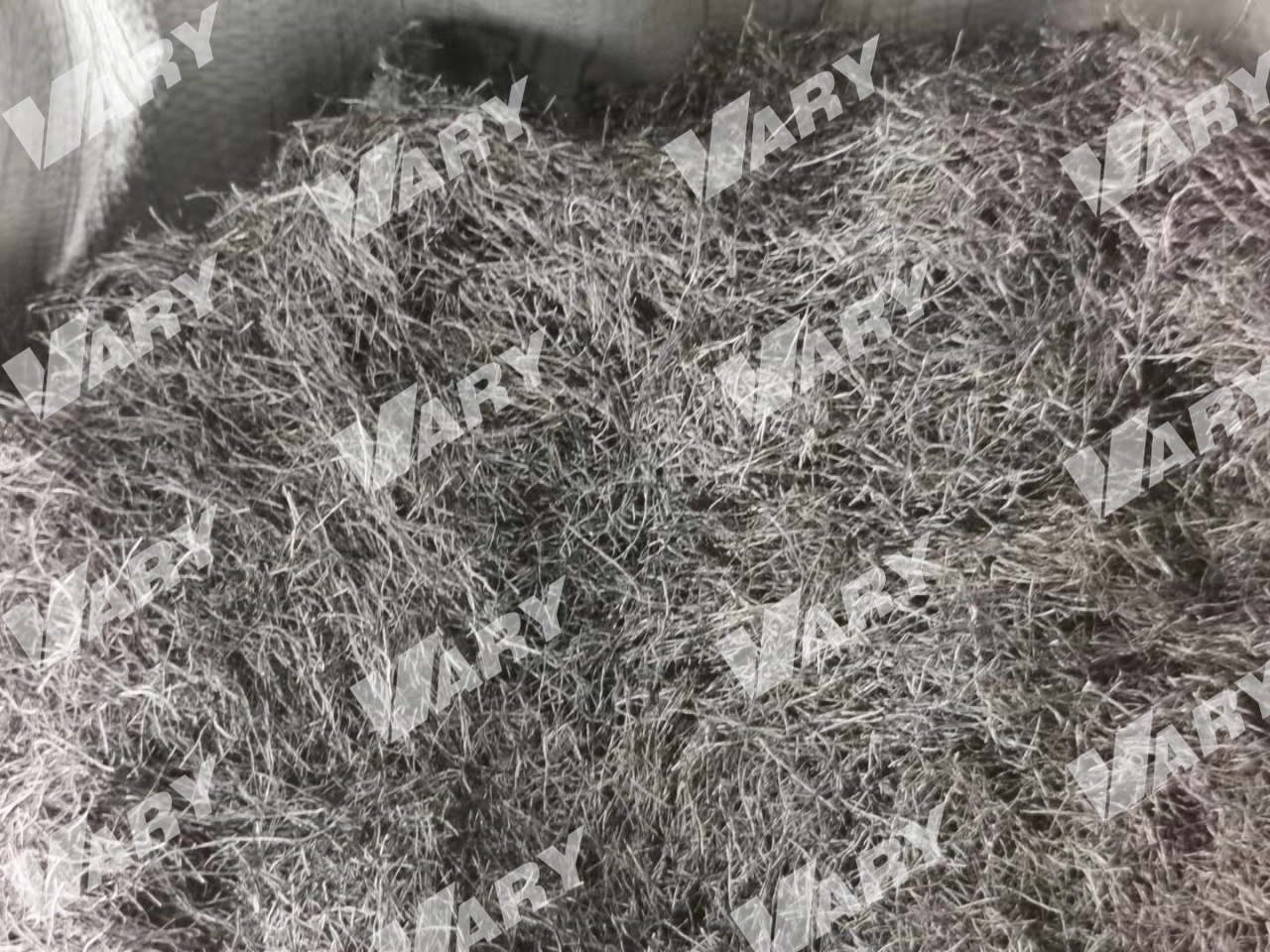
A practical note: post-pyrolysis steel wire is not necessarily clean or deformation-free. Actual products often exhibit varying degrees of distortion, with pyrolytic carbon and residual rubber adhering to the surface. Moreover, tyre steel cord typically carries copper-zinc alloy surface coatings.
The actual selling price of pyrolysis steel wire is therefore determined by:
Cleaner wire with fewer impurities and higher bulk density gains readier access to stable, long-term scrap steel procurement channels. Steel wire products are among the more transparently priced by-products in waste tyre pyrolysis projects, and they represent an important steady revenue stream. However, whether this revenue can offset feedstock procurement or pre-treatment costs must be calculated separately for each project, based on local waste tyre prices and real-time scrap steel quotations—no universal conclusion applies across all regions.
Where Does Non-Condensable Gas (NCG) Go? Priority Reuse for In-System Heat Supply
In addition to Tyre Pyrolysis Oil (TPO), rCB and steel wire, waste tyre pyrolysis generates a certain proportion of non-condensable gas. Its main combustible components typically include methane, C₂–C₄ light hydrocarbons and hydrogen. Depending on feedstock and process conditions, it may also contain hydrogen sulfide and other components requiring purification and emission control.
Given its high calorific value, modern continuous pyrolysis systems do not simply vent NCG. After gas-liquid separation and purification, it is preferentially returned to the combustion system to supply heat for the pyrolysis furnace. In well-designed continuous systems with high thermal integration, NCG can cover a substantial portion—or even the majority—of the process heat load under steady-state operation, significantly reducing external fuel consumption such as natural gas.
That said, "energy self-sufficiency" does not mean zero external energy input under all conditions. External fuel or supplementary energy is still required during cold startup, abnormal operation and periods of significant feedstock fluctuation.
For larger-scale projects with a stable surplus of NCG, additional options may be considered:
-
Steam generation via gas-fired boilers
-
Combined heat and power (CHP)
-
Power generation using dedicated gas equipment after full purification
-
Energy integration with other heat-consuming facilities on site
The economic viability of power generation depends on gas volume, calorific-value stability, purification costs, equipment scale and local electricity prices. For most pyrolysis projects, direct internal reuse for process heating usually delivers higher energy efficiency and better returns than small-scale power generation.
Are Pyrolysis Products Easy to Sell? Market Existence Does Not Mean Zero Barriers
From a full value-chain perspective, all major waste tyre pyrolysis products already have established downstream markets:
-
Tyre Pyrolysis Oil (TPO)can enter industrial fuel, refinery feedstock and circular chemical feedstock markets
-
rCB can enter rubber, tyre, plastic, coating and other carbon-material markets
-
Pyrolysis steel wire can flow into scrap recycling and steelmaking systems
-
NCG is primarily reused internally for energy recovery
So waste tyre pyrolysis does not face an inherent barrier of "no place for the products to go."
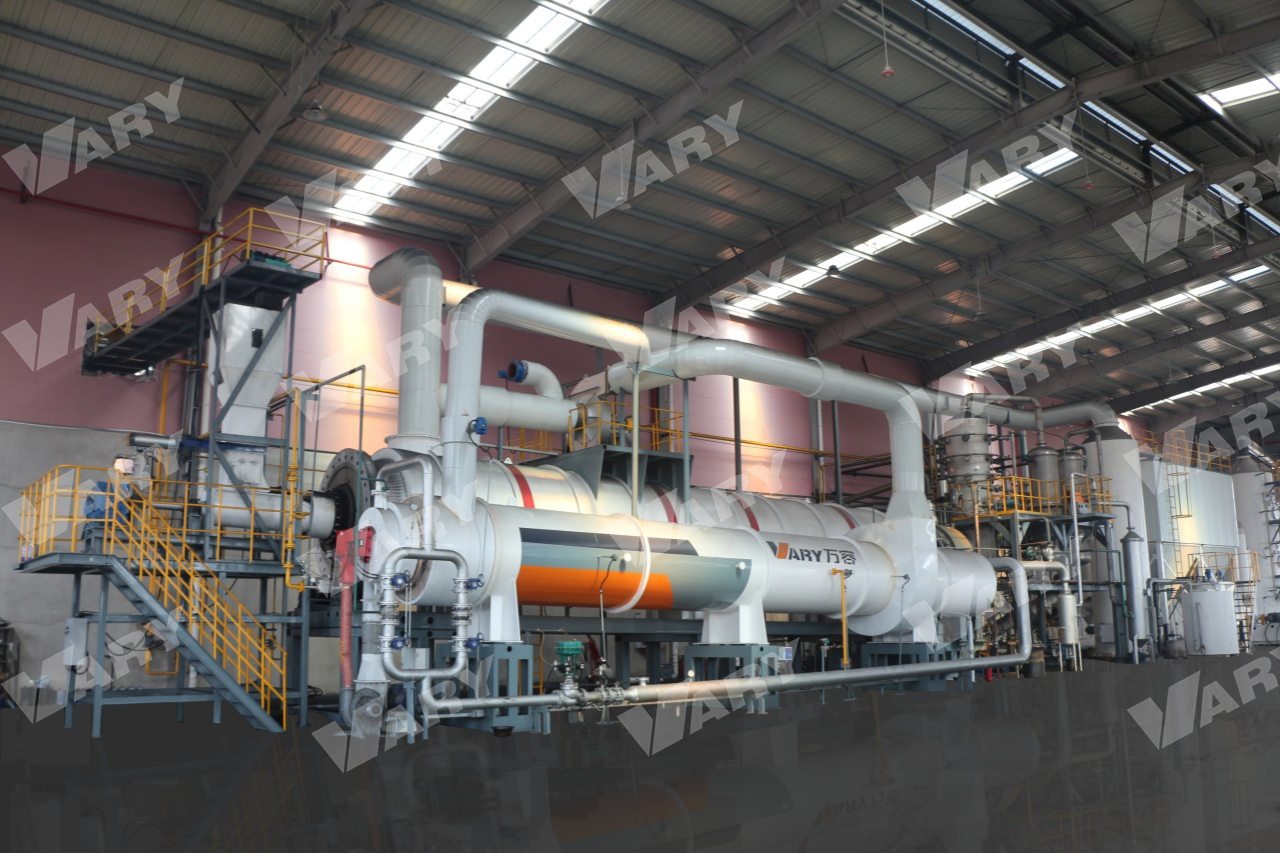
However, a critical distinction must be made: the existence of downstream markets does not guarantee stable sales for pyrolysis products of arbitrary quality. The long-term viability of a pyrolysis project hinges on three factors: consistent product quality, formal customer certification and regional market conditions.
For example, downstream buyers typically monitor the following parameters closely:
Tyre Pyrolysis Oil (TPO):
rCB:
-
Ash content
-
Volatile matter
-
Particle size and sieve residue
-
Sulfur content
-
Metallic and inorganic impurities
-
Specific surface area
-
DBP absorption number
-
Tinting strength and rubber reinforcement performance
-
Batch-to-batch consistency
Steel wire:
Large-scale pyrolysis enterprises must therefore upgrade their operational logic from simple "product sales" to standardized "product manufacturing." On the one hand, they need stable waste tyre feedstock channels to control tyre-type distribution and minimise abnormal impurities. On the other hand, they must establish a complete system covering process control, batch testing, third-party verification and full traceability, using hard data to build downstream customer trust in product consistency.
Environmental Compliance Is Equally Critical to Long-Term Project Operation
All waste tyre pyrolysis projects must comply with legal environmental requirements, including environmental impact assessment (EIA), pollutant discharge standards, solid waste management regulations and pollutant discharge permitting. Production operations require particular attention to:
-
Sealing of pyrolysis systems and fugitive VOCs control
-
Safe recovery and complete combustion of NCG
-
Flue gas pollutants—particulates, SOₓ and NOₓ
-
Wastewater from condensation and oil-water separation
-
Solid waste from equipment maintenance and dust removal
-
Fire prevention, explosion protection and combustible gas safety management
China's Ministry of Industry and Information Technology currently enforces the Industry Standard Conditions for the Comprehensive Utilization of Waste Tyres (2020 Edition). A precise understanding is necessary: this document serves as an industrial guideline aimed at encouraging standardised, large-scale, high-value development of the waste tyre recycling industry. It is not a mandatory pre-approval document for project administrative licensing.
For investors, therefore, the practical questions to prioritise are threefold:
-
Does the project location, land-use classification and environmental capacity permit the construction of a pyrolysis facility?
-
Can the process equipment achieve long-term airtight, continuous and stable operation in full compliance with EIA and emission requirements?
-
Can the finished products consistently meet end-user quality specifications—not merely be "producible"?
The first two questions determine whether the project can operate stably over the long term; the third directly determines its profitability. Ultimately, the true competitive moat of a waste tyre pyrolysis project is not a single pyrolysis unit, but the overall stability of the complete system integrating feedstock, process, equipment, product quality, downstream markets and environmental compliance.
Case Study: A 60,000-Tonne-Per-Year Project—Where Do All the Pyrolysis Products End Up?
This case study examines a continuous waste tyre pyrolysis project in East China, with an annual processing capacity of 60,000 tonnes. The project employs external-heating rotary kiln technology developed by Vary Tech, and is equipped with shredding and sorting systems, large-scale continuous pyrolysis lines and dedicated carbon-product deep-processing facilities.
Based on design throughput, annual outputs are:
Fuel-grade Tyre Pyrolysis Oil (TPO): approximately 24,000 tonnes
Carbonaceous solid products: approximately 18,000 tonnes
Recovered steel wire: approximately 7,200 tonnes
All finished products follow clearly defined market channels:
Tyre Pyrolysis Oil (TPO) → supplied to industrial heat users in surrounding regions
Carbonaceous solids → further processed into rCB for rubber product manufacturing
Steel wire → separated, compacted and delivered to formal scrap recycling and steelmaking systems
NCG → preferentially recirculated for internal heat supply to the pyrolysis lines
The real value demonstrated by this industrial case is not merely the technical feasibility of waste tyre pyrolysis, but the fact that oil, carbon, steel and energy from waste tyres can each be channelled into corresponding industrial value chains through engineered systems, achieving large-scale resource recovery.
As the industry continues to upgrade, project profitability will no longer depend solely on the per-tonne price of Tyre Pyrolysis Oil (TPO). The future profit drivers are shifting to three critical dimensions:
-
Whether Tyre Pyrolysis Oil (TPO)can be upgraded from low-value fuel oil to high-value circular chemical feedstock
-
Whether rCB can be refined from crude solid carbon into high-performance filler reintroduced into new tyres
-
Whether the entire production system can sustain long-term, consistent product quality through digitalised, automated process control
The resource recovery landscape for waste tyre pyrolysis extends far beyond simple "oil extraction and carbon sales." The genuine development direction of this industry lies in:
-
Shifting from fuel combustion to material circularity
-
Evolving from crude, uncontrolled pyrolysis to precise, real-time process control
-
Upgrading from low-value by-product treatment to a closed-loop tyre–chemical–tyre circular value chain
The core mission of modern waste tyre pyrolysis technology is to realise the highest-value utilisation of the oil, carbon, steel and energy contained within every single waste tyre.
Follow Vary Tech for more technical insights and industry information on waste tyre pyrolysis and comprehensive resource utilisation.


