When a refrigerator ends its service life of more than a decade, or an old mobile phone is replaced by the latest model, where do these discarded appliances go? Globally, waste electrical and electronic equipment ( WEEE / E-waste) has become one of the fastest-growing solid waste streams. According to the latest statistics from the United Nations, over 50 million tons of E-waste are generated worldwide each year, and only about 20% undergoes formal recycling. Faced with this severe challenge, the Extended Producer Responsibility (EPR) system has emerged. It is not only an innovation in environmental policies but also an economic revolution that reshapes manufacturing and consumption patterns.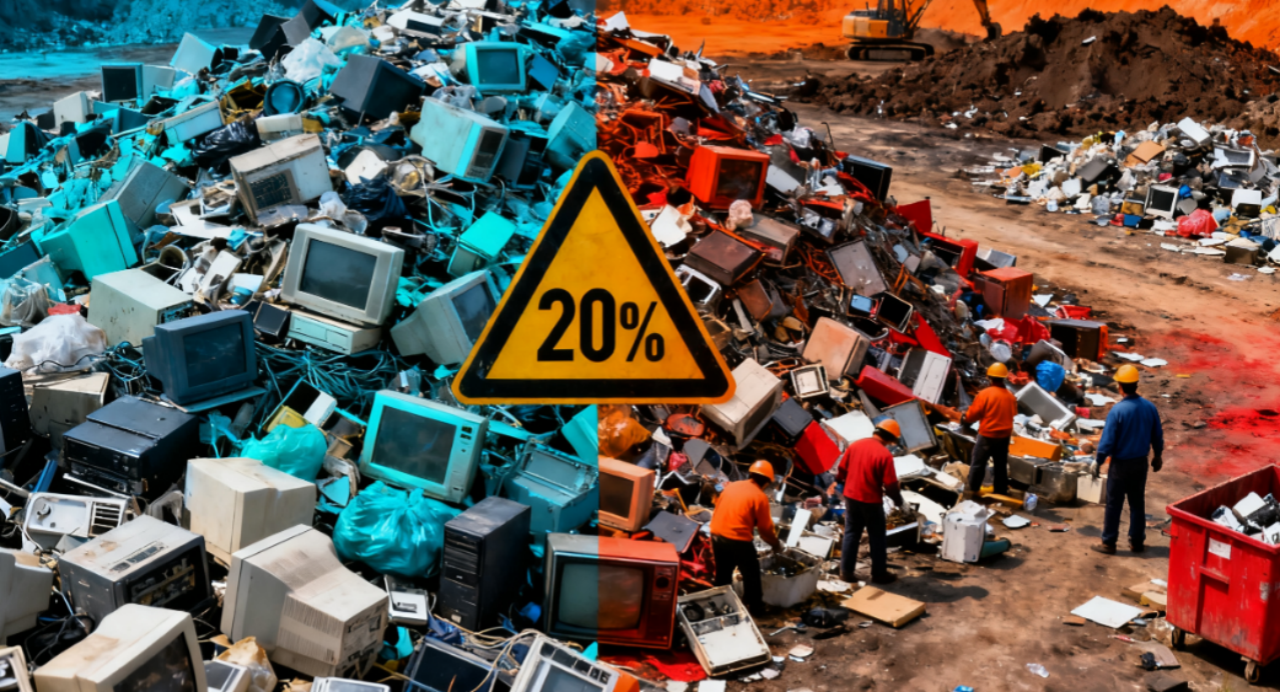
The EPR System – A Comprehensive Framework from Concept to Implementation
The core of EPR lies in internalizing environmental costs into product costs, and through institutional design, incentivizing producers to reduce the environmental impact of products throughout their entire life cycle.
The EPR system is built on the deepening of the "Polluter Pays Principle," but its innovation lies in shifting the definition of "polluter" from the waste generator (consumer) to the product manufacturer (producer). Its core principles include extended responsibility, financial guarantee, and goal orientation.
This is the foundation of EPR supervision. Producers (or their importers) must complete registration on official platforms or industry self-regulatory organizations designated by the target market to obtain a unique identification code. Subsequently, they need to submit detailed reports regularly (usually quarterly or annually), covering content including but not limited to: the quantity/weight of various products placed on the market, the quantity/weight of discarded products recycled through formal channels, and the funds paid to fulfill their responsibilities. These data serve as the fundamental basis for the government to evaluate policy effectiveness, set future targets, and conduct regulatory law enforcement.
Diversified fees mainly include visible prepaid recycling fees, hidden costs, and deposit-refund systems.
The government’s establishment of clear, legally binding targets is the key to driving action. Targets take various forms, mainly including recycling rate targets, reuse rate targets, or recycled material content targets.
The most effective waste management is to avoid generating waste. The EPR system uses economic means to incentivize "design for circularity." For example, designing easily disassemblable product structures, replacing composite materials with single recyclable materials, and labeling material compositions to facilitate sorting. In advanced regions such as the EU, the recycling fees of products are even linked to their recyclability ratings – products designed to be more environmentally friendly require lower recycling fees, thus forming a strong market driving force.
The EU has built the world’s most rigorous EPR legal system through the Waste Electrical and Electronic Equipment (WEEE) Directive, the Battery Directive, and the latest Packaging and Packaging Waste Regulation (PPWR).
Its characteristic lies in the combination of high unity and flexibility. Directives set minimum standards for member states, but each country can choose specific implementation methods based on its national conditions, such as establishing competitive PROs or a single monopolistic PRO.
The EU’s overall EPR recycling rate exceeds 70%, and some member states even have a recycling rate of over 90% for large home appliances. In 2024, the PPWR introduced differentiated fees based on recyclability ratings and a more extensive deposit-refund system, marking EPR’s entry into a new stage of refined and intelligent management.
The US lacks a unified federal-level EPR law, but its state-level explorations are highly distinctive.
Since the introduction of the "Implementation Plan for Promoting the Extended Producer Responsibility System" in 2016, China’s EPR system has entered a fast track.
The system focuses on the "Four Major Appliances and One Computer" – initially covering refrigerators, washing machines, air conditioners, televisions, and computers. The recycling system relies on existing sales and maintenance networks, and stimulates recycling through large-scale "trade-in programs."
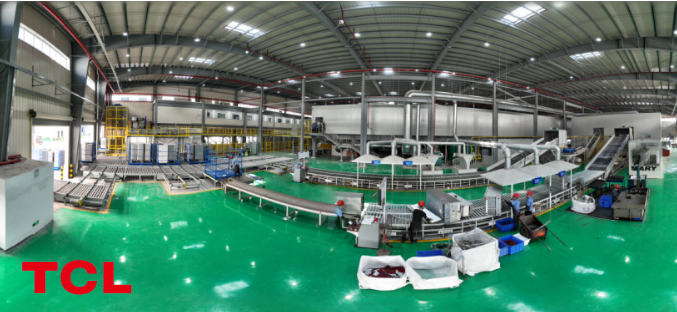
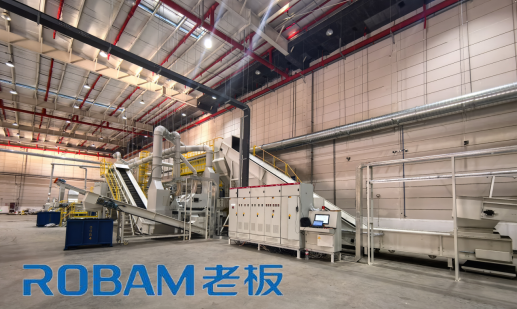
In China’s home appliance industry, leading enterprises such as Haier, Gree, Midea, TCL, Hisense, Changhong, and Robam are actively practicing the "producer recycling target responsibility system," leading the industry’s green transformation. Meanwhile, professional environmental service providers such as Vary Tech have deeply empowered producers’ responsibilities by providing advanced recycling and dismantling system solutions for enterprises like Haier and TCL, jointly helping the country build a sustainable waste home appliance treatment system.
In 2024, China made a major adjustment – canceling the "Waste Electrical and Electronic Equipment Recycling and Treatment Fund" levied on production enterprises, and instead using special fiscal funds for support. This change aims to reduce the burden on enterprises and strengthen the government’s guiding role in the early stage of system construction.
Official statistics show that the recycling rate of the "Four Major Appliances and One Computer" is as high as 85%, but the challenge lies in incorporating the extensive informal recycling channels into the management system to avoid environmental pollution and resource waste.
Through the Home Appliance Recycling Law, Japan has established a highly organized recycling system led by producers. When consumers dispose of waste large home appliances, they need to pay a certain recycling fee and purchase recycling vouchers through post offices or convenience stores. This clear responsibility chain and high public cooperation have kept its recycling rate stable at 70% to 80% for a long time.South Korea implements a strict recycling target responsibility system – enterprises must submit detailed annual recycling plans and accept strict supervision. Fines and even mandatory recycling quotas are imposed on enterprises that fail to meet targets, creating strong compliance pressure.
The implementation of the EPR system is affected by multiple factors such as costs, data management, and competition from informal channels.
Use blockchain technology to establish tamper-proof product "digital passports," recording the entire chain of information from production and sales to recycling. IoT technology is used to monitor the filling status of recycling bins in real time and optimize logistics routes. A unified online registration platform will simplify enterprise declaration processes and improve data quality.
3. Cross-Industry Collaboration and Infrastructure Sharing
EPR systems in different industries such as home appliances, electronic products, automobiles, and furniture will tend to integrate. Co-built and shared "product reverse logistics centers" and treatment facilities can significantly reduce operating costs, improve network coverage, and provide consumers with one-stop recycling services.
Home appliance EPR has evolved from a cutting-edge policy concept to a global mainstream waste management framework. It has successfully internalized external environmental costs and established a sustainable management system for discarded products. From the EU’s systematic legislation to the distinctive practices of China, the US, Japan, and South Korea, all have proven its great value in improving resource efficiency and reducing environmental pollution.
However, EPR is not a one-size-fits-all solution. It itself is a system that needs continuous evolution and dynamic optimization. Future success will depend on our ability to effectively address the challenges of costs and data, use digital technology to achieve precise governance, ultimately promote a revolution deep into the source of product design, and stimulate broader global cooperation.
For home appliance producers, actively adapting to and leading the EPR trend is not only a compliance requirement but also the key to building core competitiveness in the future – green and circular design capabilities will become the decisive factor for brand differentiation. For society as a whole, a sound EPR system is a solid bridge to cut off waste pollution, realize the sustainable use of resources, and ultimately move towards a true circular economy.


