Amid escalating global plastic pollution, Chemical Recovery of waste plastics has emerged as a critical solution. From its early exploration as an energy substitute to becoming a strategic priority under global consensus, this technology reflects humanity’s deepening environmental awareness and relentless technological innovation. This article traces the evolution of Chemical Recovery technology, examines challenges and opportunities across different eras, and explores future prospects. By reviewing its development, we gain insights into its significance for environmental protection, resource circularity, and the transformative trends reshaping the plastics industry.
The Emergence: Explorations During the Energy Crisis Era (1960s–1990s)
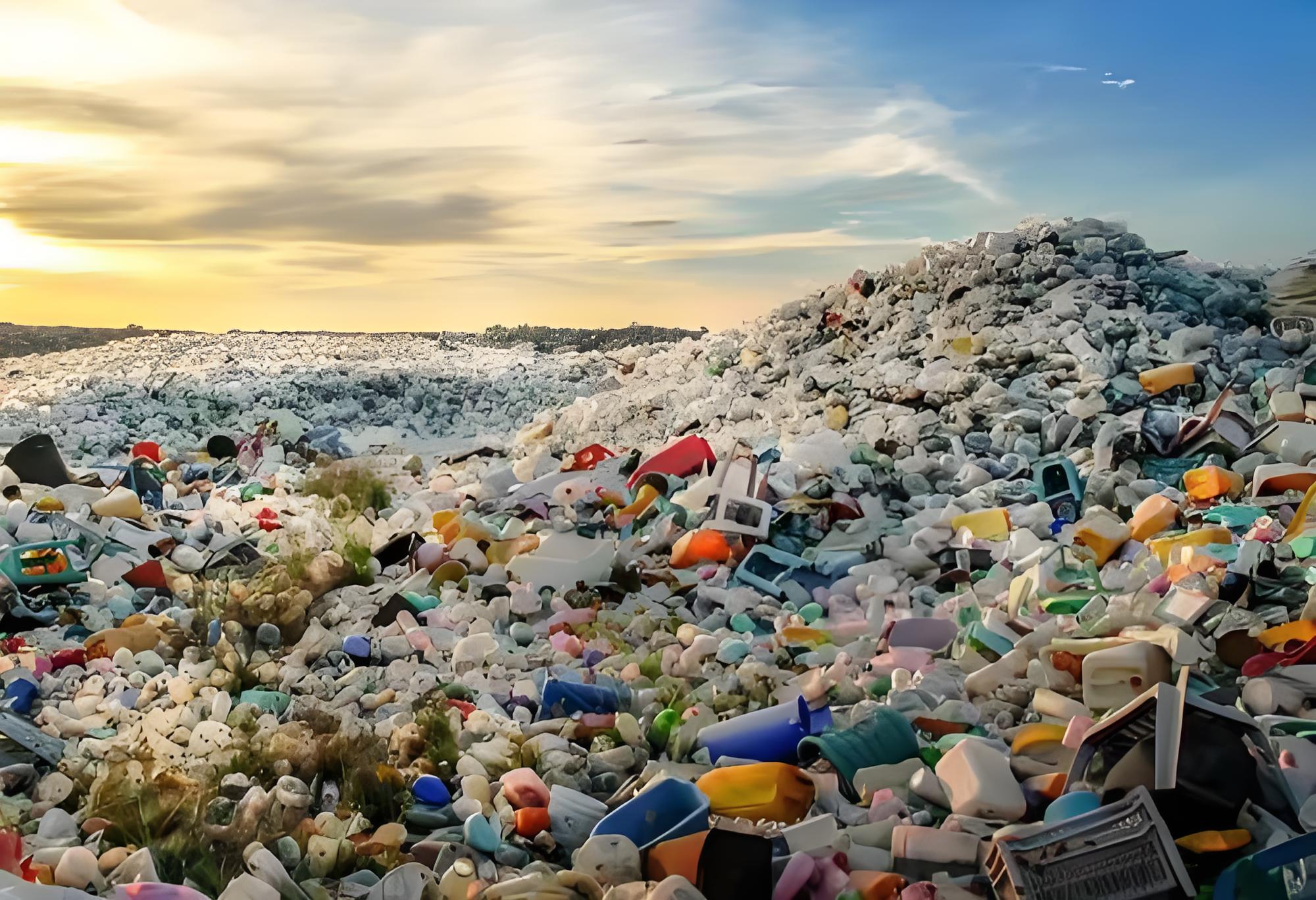
Driven by energy crises, Chemical Recovery technology began to take shape between the 1960s and 1990s. The establishment of OPEC in the 1960s triggered oil security concerns in developed nations. Subsequent oil crises spurred research into waste plastic-to-fuel technologies in the U.S., Japan, and others. However, outdated technology, poor product quality, and operational issues (e.g., coking) hindered industrialization.
In China, post-1992 reforms and rising oil demand sparked a wave of waste plastic pyrolysis projects. Yet, due to primitive technology, small-scale operations, pollution, and safety risks, these projects failed to achieve legal approval or industrial-scale application.
Rise of Environmental Awareness: Circular Economy Drives Progress (1990s–2010s)
By the 1990s, worsening pollution and resource depletion accelerated advancements in Chemical Recovery. The "3R principles" (Reduce, Reuse, Recycle) became central to circular economy strategies, positioning plastic recycling as a key component.
Challenges persisted: developed nations prioritized incineration to tackle "white pollution" and landfill crises, while Chemical Recovery struggled with economic viability and policy gaps. Routes to convert waste plastics into new products remained underdeveloped.
Global Consensus Era: Policy and Market Demand Fuel Growth (2010s–Present)
Recent global political consensus on plastic pollution has propelled rapid growth. The 2015 UN Sustainable Development Goals included three targets addressing plastic pollution, marking a milestone in international cooperation.
Subsequent policies, such as the EU’s 2018 Plastics Strategy for a Circular Economy (aiming for 100% reusable/recyclable plastic packaging by 2030) and tax incentives in the UK and Italy, boosted demand for recycled plastics.
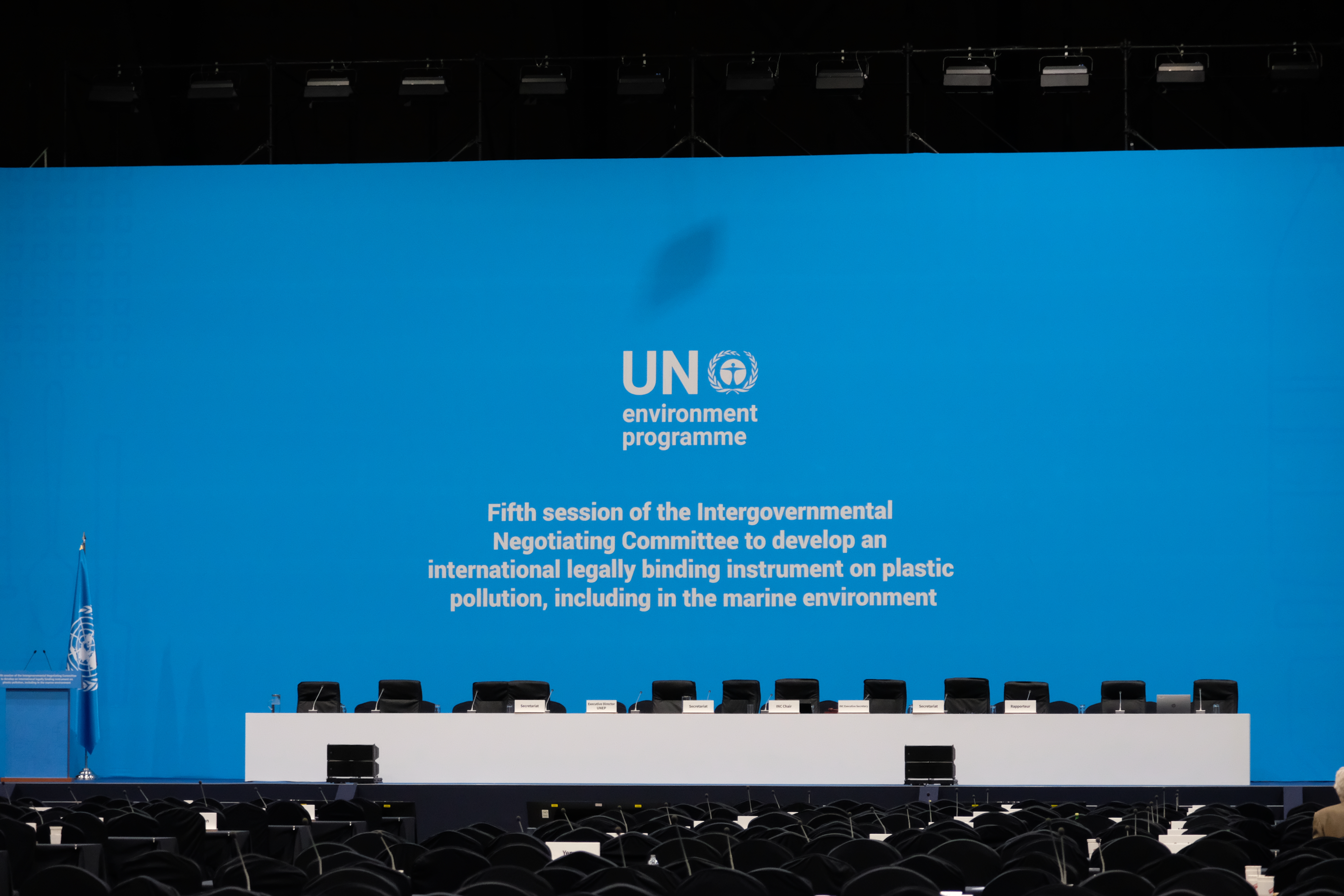
In 2022, the UN Environment Assembly adopted the Resolution to End Plastic Pollution, mandating a legally binding treaty by 2024. NGOs like the Ellen MacArthur Foundation also amplified market demand for post-consumer recycled (PCR) plastics through initiatives like the New Plastics Economy Global Commitment.
Industry Transformation: From Niche Research to Corporate Priorities
Driven by policies and market demand, multinational corporations now heavily invest in Chemical Recovery. Participants span academia, NGOs, and industry giants in chemicals, packaging, and consumer goods. Leading chemical companies prioritize PCR plastics to align with sustainability goals and brand demands.
However, gaps remain. Chemical Recovery differs significantly from traditional petrochemical processes, requiring long-term R&D. Pioneering firms often spent 10–20 years refining technologies before gaining traction.
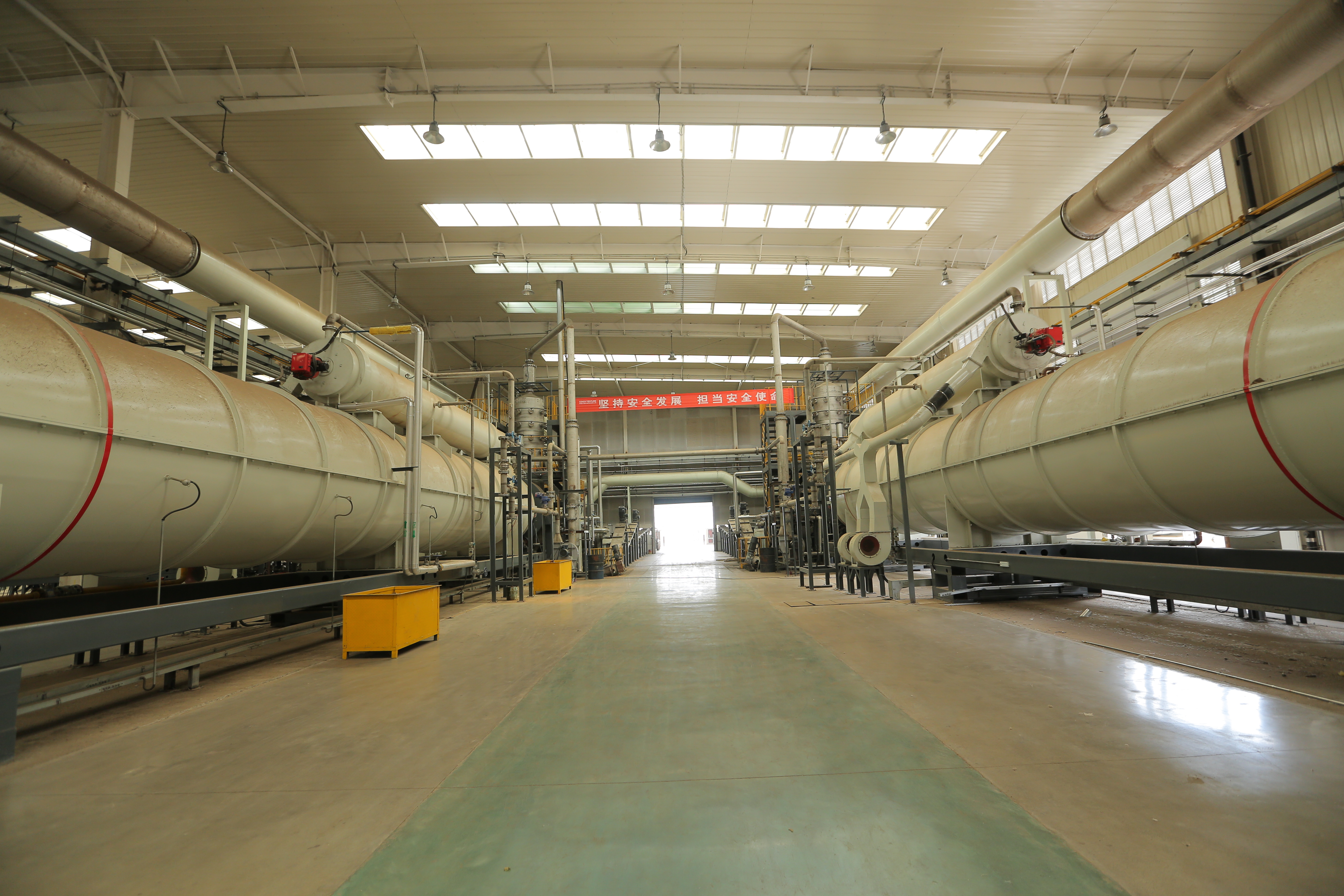
In China, Vary Tech developed a pyrolysis system converting waste plastics into oil, carbon black, and gas under oxygen-free conditions. The gas powers the system, while carbon black serves as construction material or fuel. This innovation enables annual processing of 220,000 tons of municipal waste plastics, showcasing China’s progress in eco-technology.
Breakthroughs and Outlook: Opportunities and Challenges
The PCR plastics market is expanding rapidly. Chemically recycled PCR plastics match virgin plastics in quality, making them indispensable for high-end applications like food and pharmaceutical packaging. Surging demand and policy incentives have driven prices above traditional plastics.
Yet, technology and capacity remain scarce. While new plants are under construction, large-scale production will take 3–5 years. Prices may stabilize with technological advances and economies of scale, but environmental premiums will persist.
Future Prospects
As global awareness grows, Chemical Recovery is poised to play a pivotal role in combating plastic pollution and advancing the circular economy. Challenges and opportunities coexist. The technology’s evolution will reshape supply chains and global economic dynamics. With innovation, policy support, and market forces, Chemical Recovery promises a sustainable future.
Join Vary Tech at the IE expo China 2025Date: April 21-23, 2025Location: Shanghai New International Expo Centre, Hall E1, Booth K21
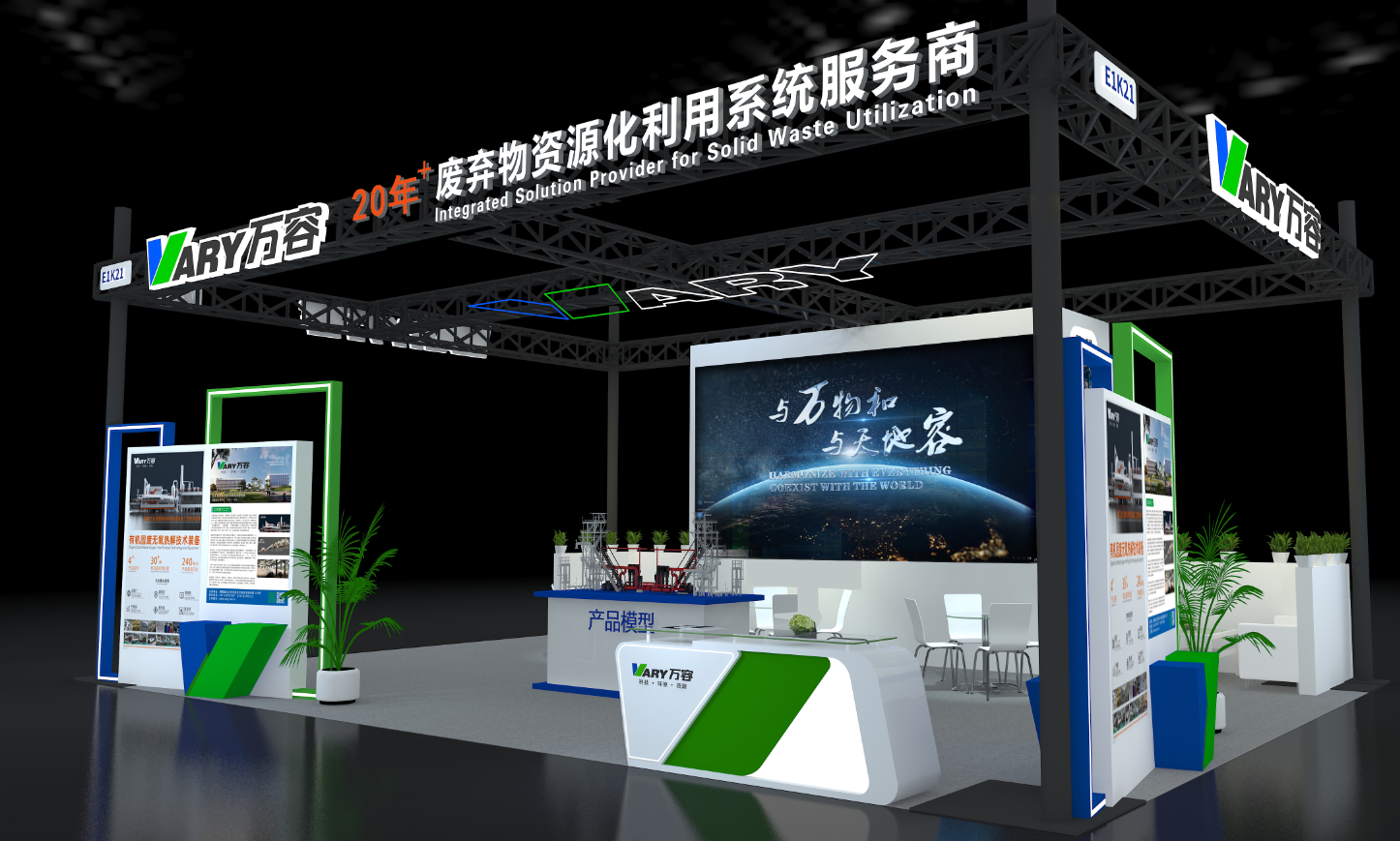
Visit Vary Tech’s exhibition to witness cutting-edge Chemical Recovery solutions!


